




























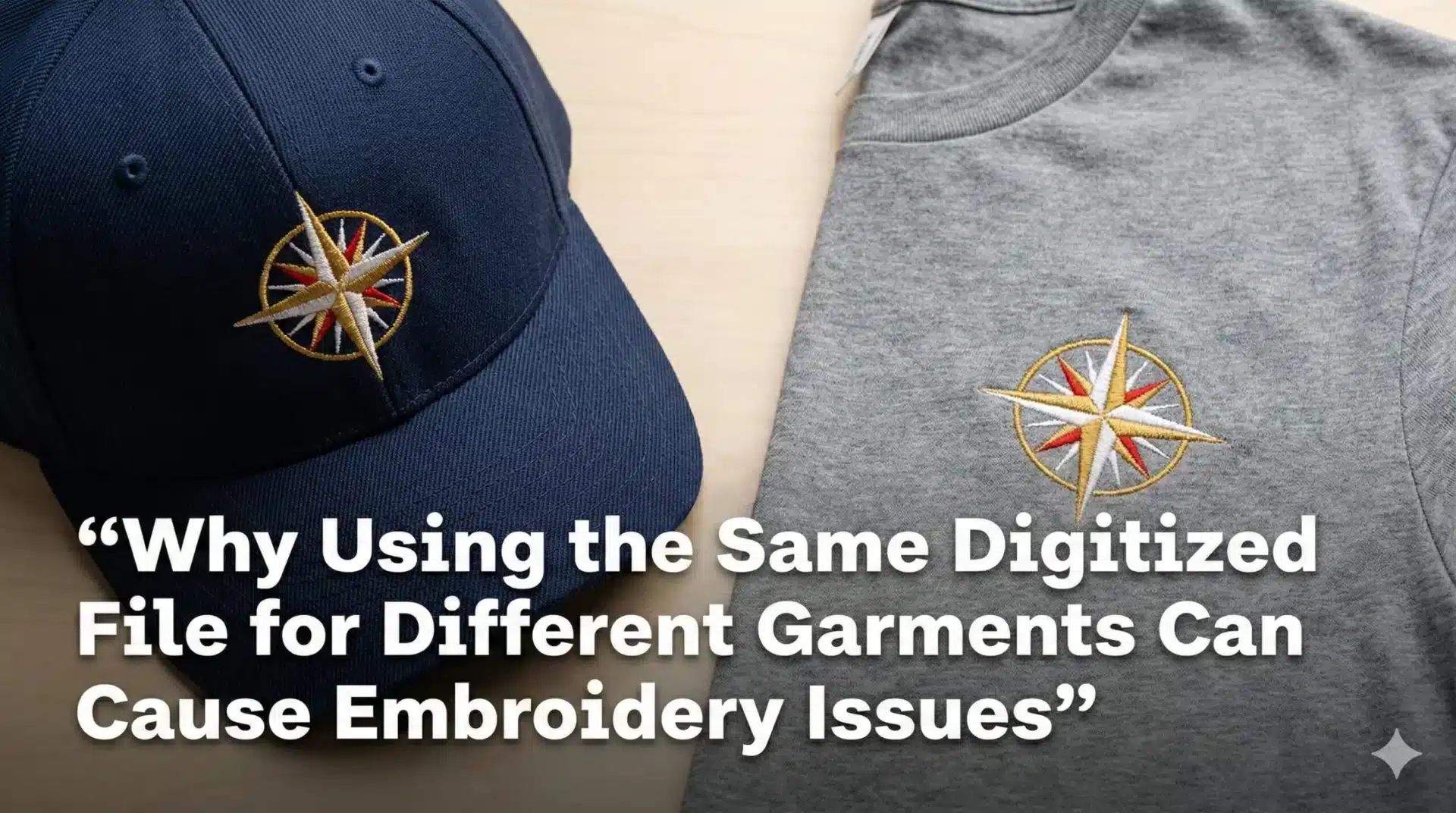
One of the most common mistakes in embroidery production is using the same digitized file across different garment types. While it may seem efficient, embroidery files optimized for one fabric or application may not perform correctly on another.
This often leads to distortion, thread breaks, or inconsistent logo appearance. This blog explains why embroidery files must be adjusted for different garments and how fabric-specific digitizing improves embroidery performance.
Why Garment Type Affects Embroidery Performance ?
Embroidery interacts differently with various materials.
Fabric Stability Varies Across Garments
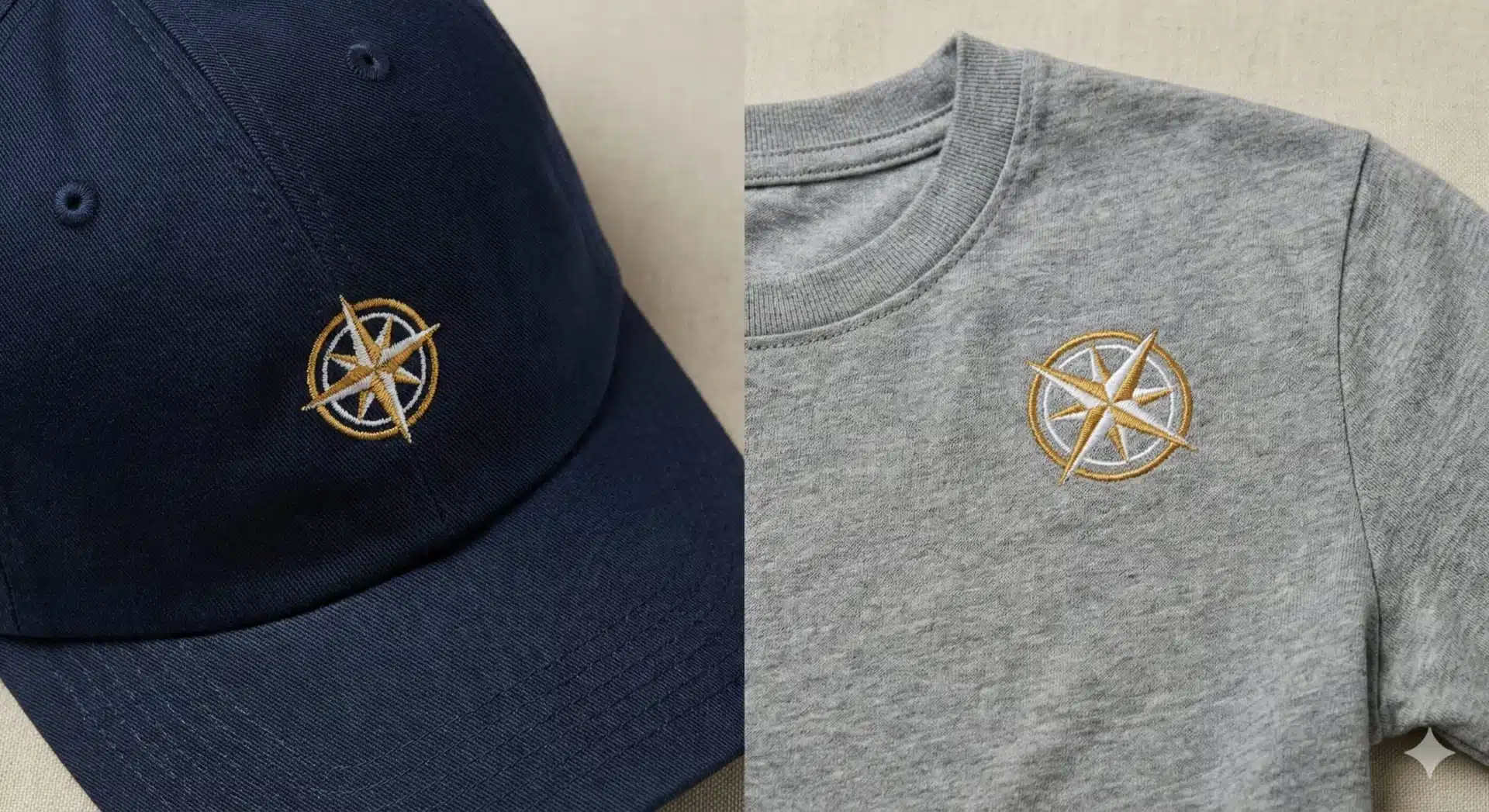
T-shirts, jackets, caps, and hoodies all have different fabric structures and thickness levels. A digitized file designed for a stable material may cause puckering or distortion when stitched on stretch or soft fabrics.
Digitizing must account for fabric behavior.
Stitch Support Changes with Material
Some garments provide better support for stitches, while others require stronger underlay and pull compensation. Using the same file across different materials can result in sinking stitches or uneven coverage.
Fabric-specific adjustments improve stability.
Application Area Also Matters
Placement affects embroidery performance.
Different Areas Require Different Stitch Settings
Embroidery on sleeves, chest, or cap panels behaves differently due to hooping stability and fabric movement. Files digitized for flat surfaces may not perform well on curved areas such as caps.
Digitizing must consider placement.
Orientation Influences Stitch Direction
Vertical or horizontal placement affects stitch sequencing and density planning.
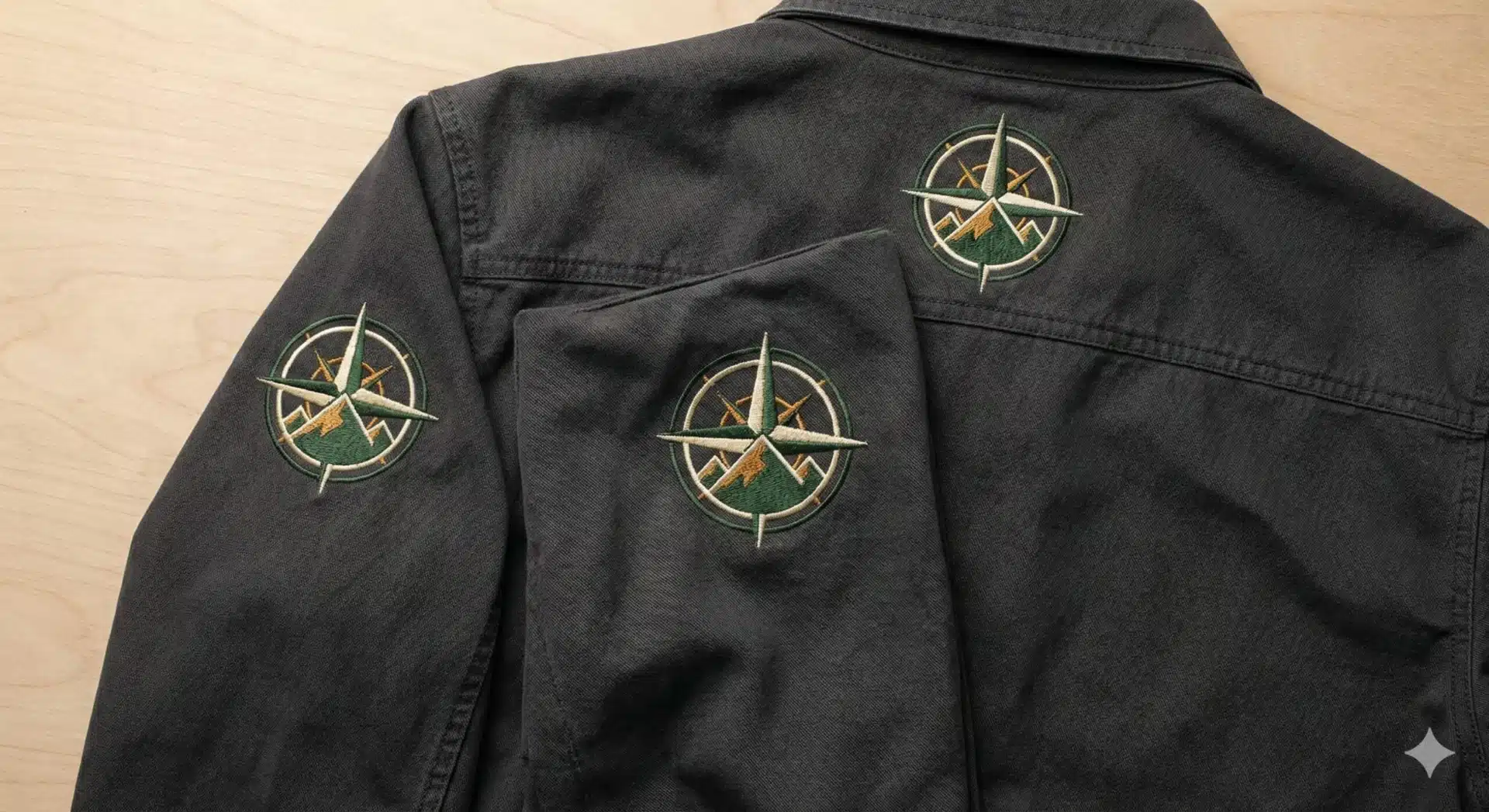
Problems Caused by Reusing Digitized Files
Using the same file may cause production issues.
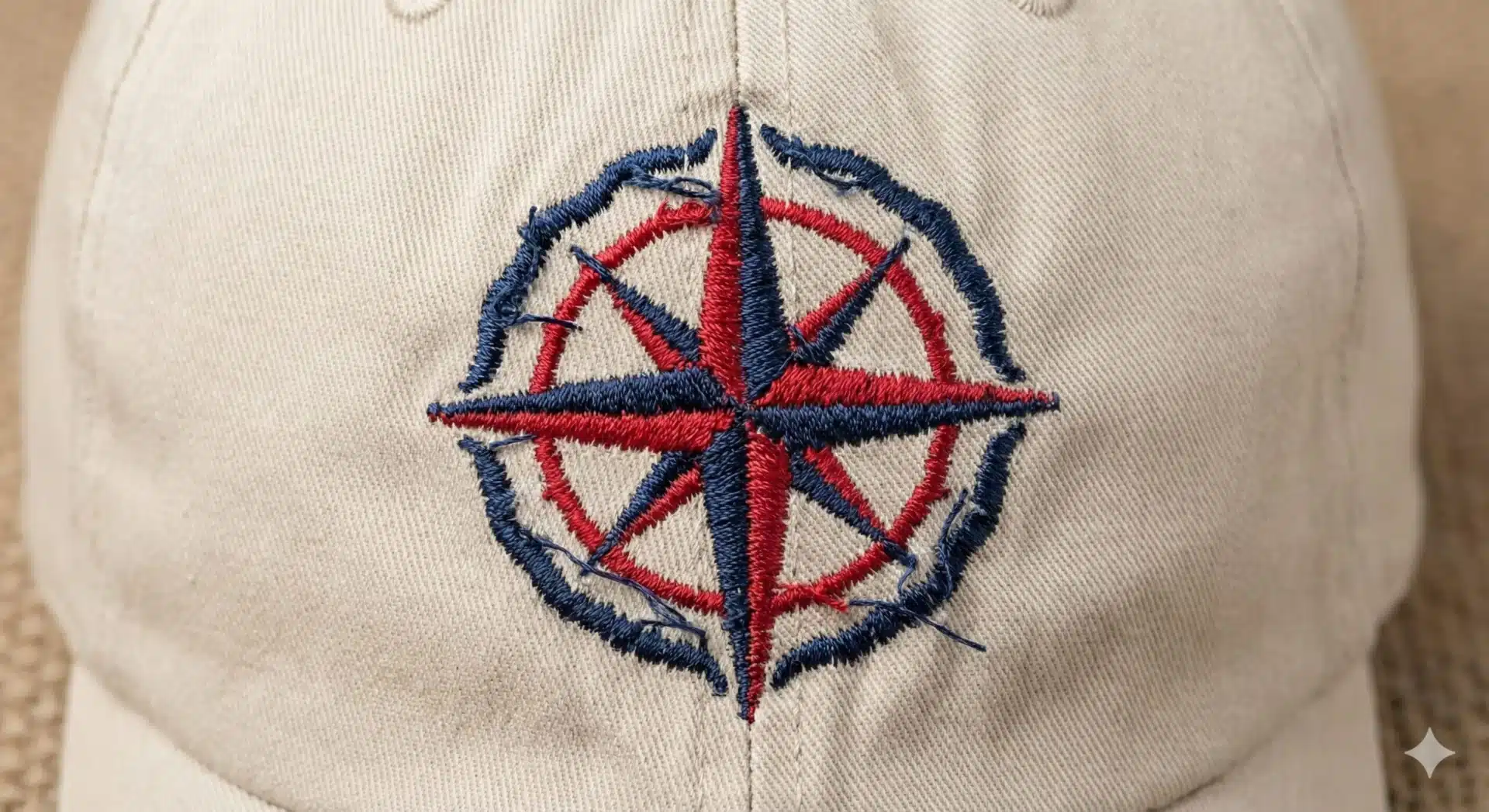
Fabric Puckering
Improper density or underlay may pull fabric inward.
Loss of Detail
Small elements may merge on soft fabrics.
Why Separate Digitizing Is Recommended ?
Separate files improve performance.
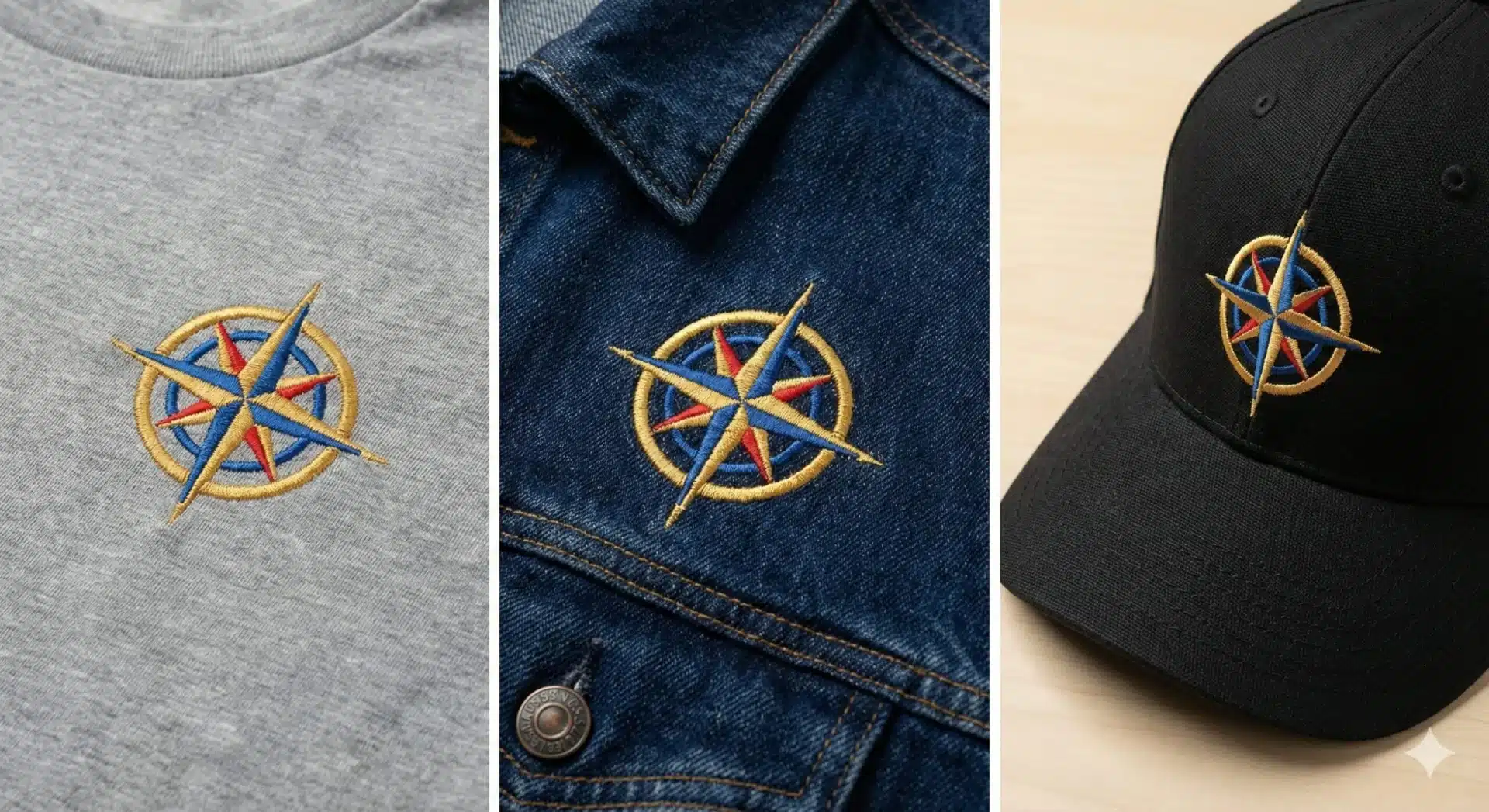
Fabric-Specific Adjustments
Density and underlay can be modified for each garment.
Improved Embroidery Quality
Separate digitizing helps maintain consistency.
How EmbroiPlanet Handles Multi-Garment Digitizing ?
EmbroiPlanet provides tailored solutions.
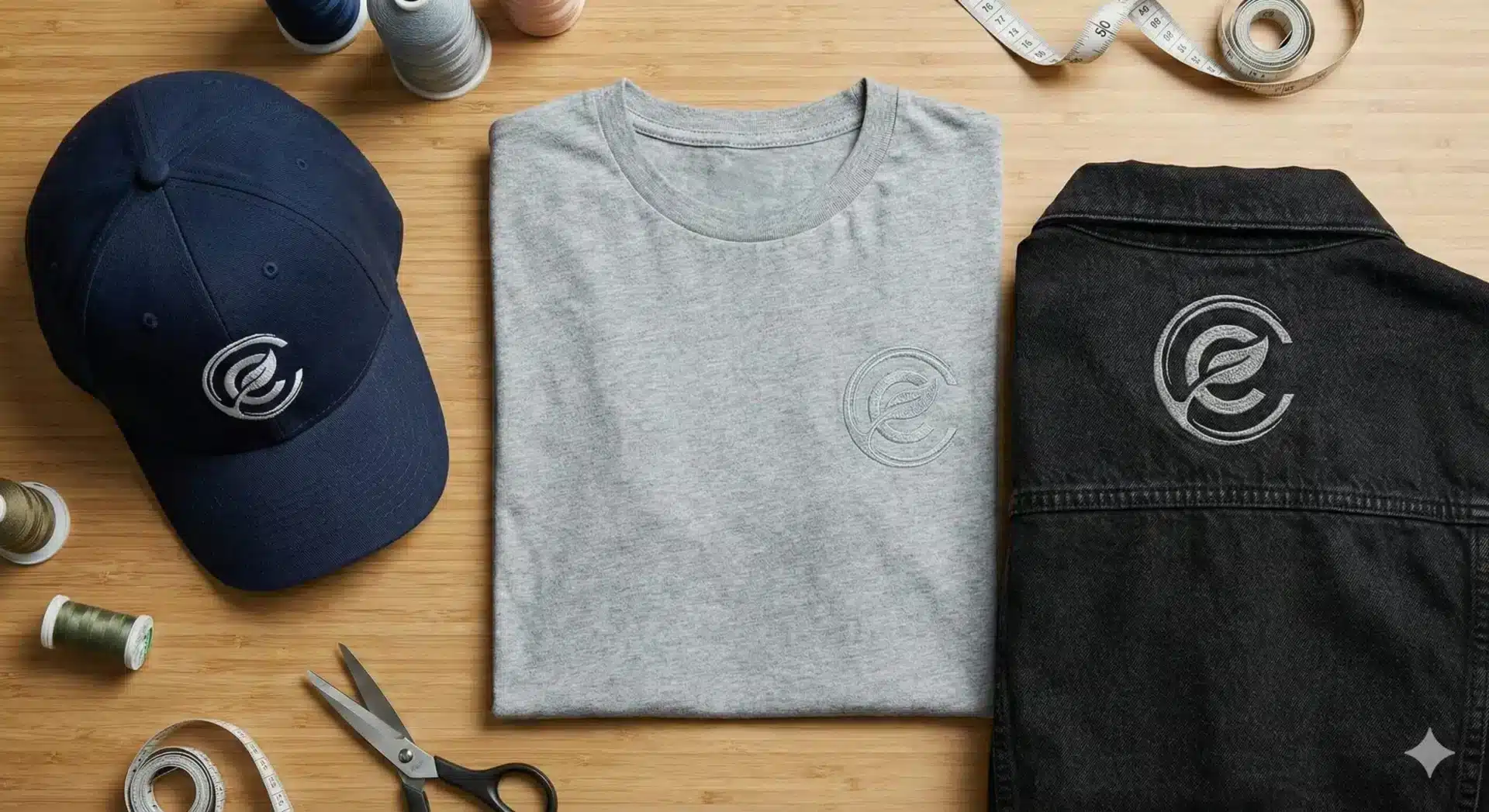
Separate Files for Different Applications
Files are created based on garment type.
Production-Focused Workflow
Designs are optimized for performance.
Contact Methods
You can contact EmbroiPlanet via:
You can contact EmbroiPlanet through:
Email – [email protected]
Instagram Direct Message – https://www.instagram.com/embroiplanet
Final Thoughts on Reusing Digitized Files
Using the same digitized file across different garments can result in embroidery issues and production delays. Fabric-specific digitizing improves stability and consistency.
EmbroiPlanet provides manual digitizing services designed for garment-specific performance.
Why Using the Same Digitized File for Different Garments Can Cause Embroidery Issues ?
What File Formats Are Required for Embroidery Digitizing?
Why Embroidery Digitizing Turnaround Time Depends on Design Complexity ?