






























Many embroidery problems occur not because of poor machines or materials, but because designs are sent directly into full production without proper testing. Skipping the testing stage can lead to thread breaks, fabric damage, inconsistent results, and costly rework.
For embroidery businesses, brands, and production units, testing digitized designs before mass production is a critical quality-control step. This blog explains why embroidery testing matters, what problems it prevents, and how it saves time, money, and materials in the long run.
What Does Testing Mean in Embroidery Digitizing ?
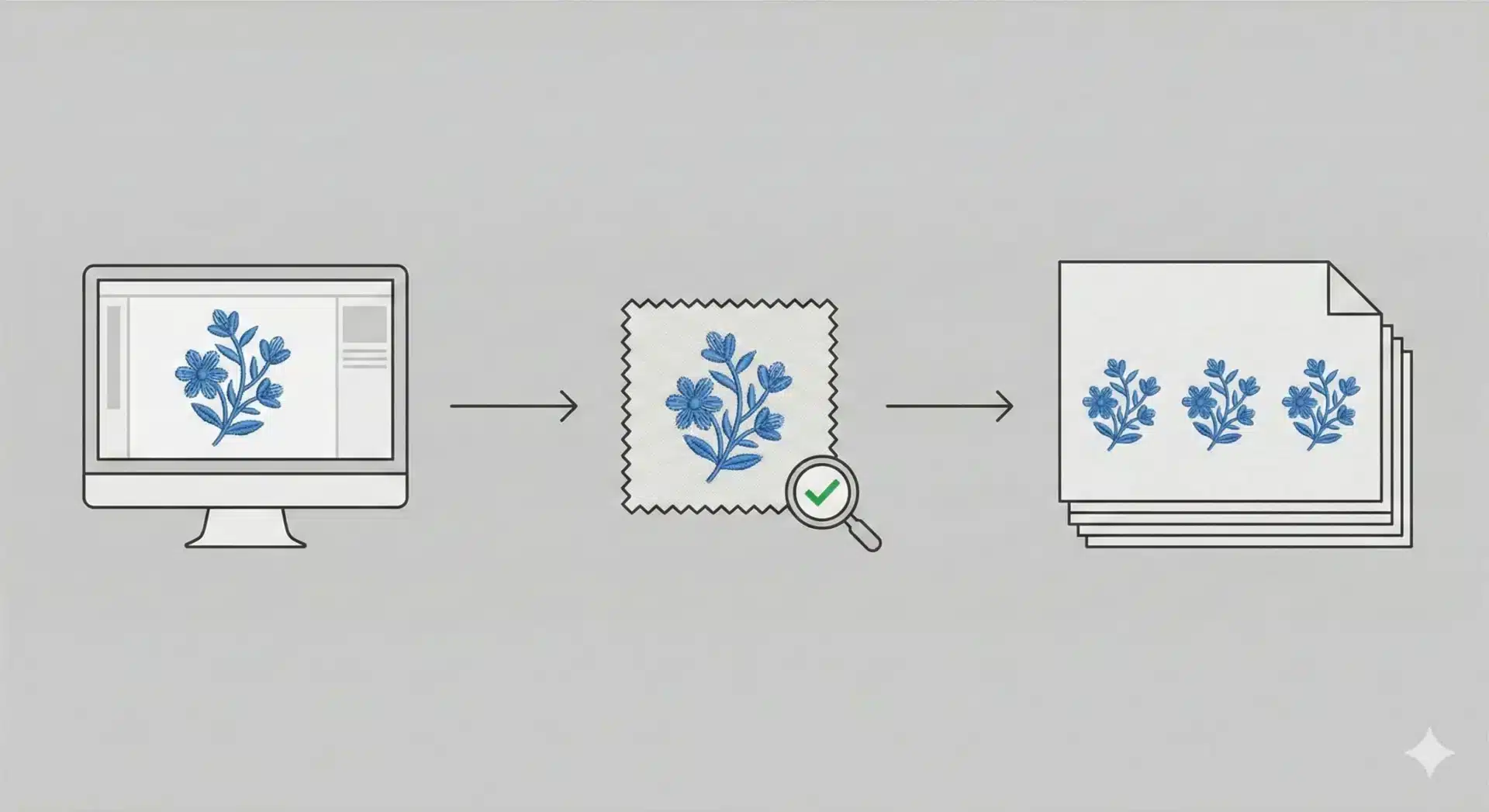
Testing is the process of running a digitized embroidery file on fabric before approving it for full production.
Testing Confirms Stitch Behavior in Real Conditions
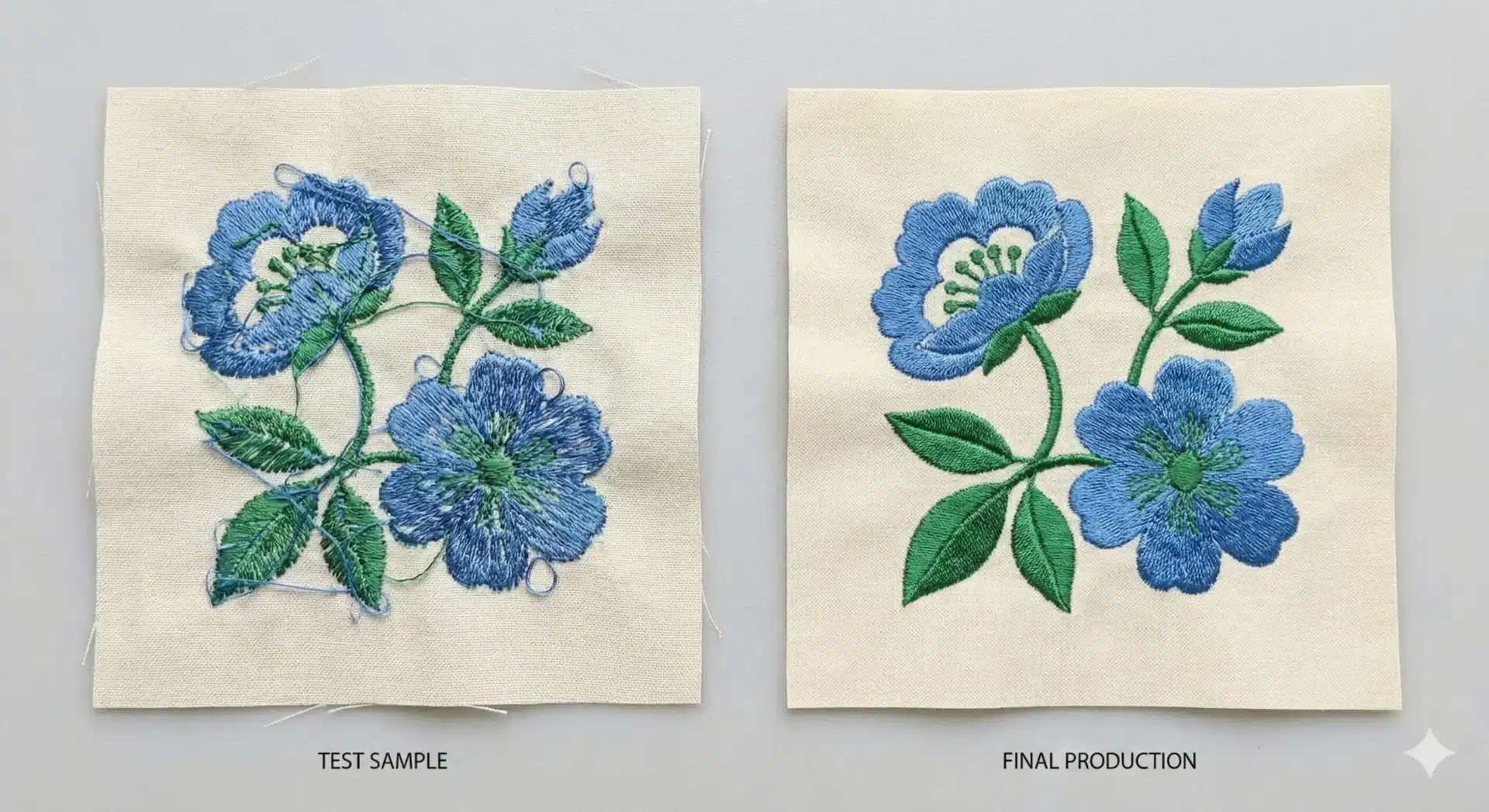
A digitized file may look correct on screen, but real embroidery involves fabric movement, thread tension, needle penetration, and machine speed. Testing reveals how stitches behave under actual production conditions.
This step helps identify issues that cannot be seen digitally.
Testing Is Part of Quality Control, Not an Extra Step
Testing is not an optional add-on. It is a necessary stage to ensure the digitized file performs reliably across garments and machines.
Skipping testing increases production risk.
Common Problems Found During Embroidery Testing
Many issues are detected only when a design is stitched.
Thread Breaks and Tension Problems
Testing often reveals excessive stitch density, poor sequencing, or incorrect stitch angles that cause thread breaks.
Fixing these issues early prevents repeated machine stops during production.
Fabric Distortion and Puckering
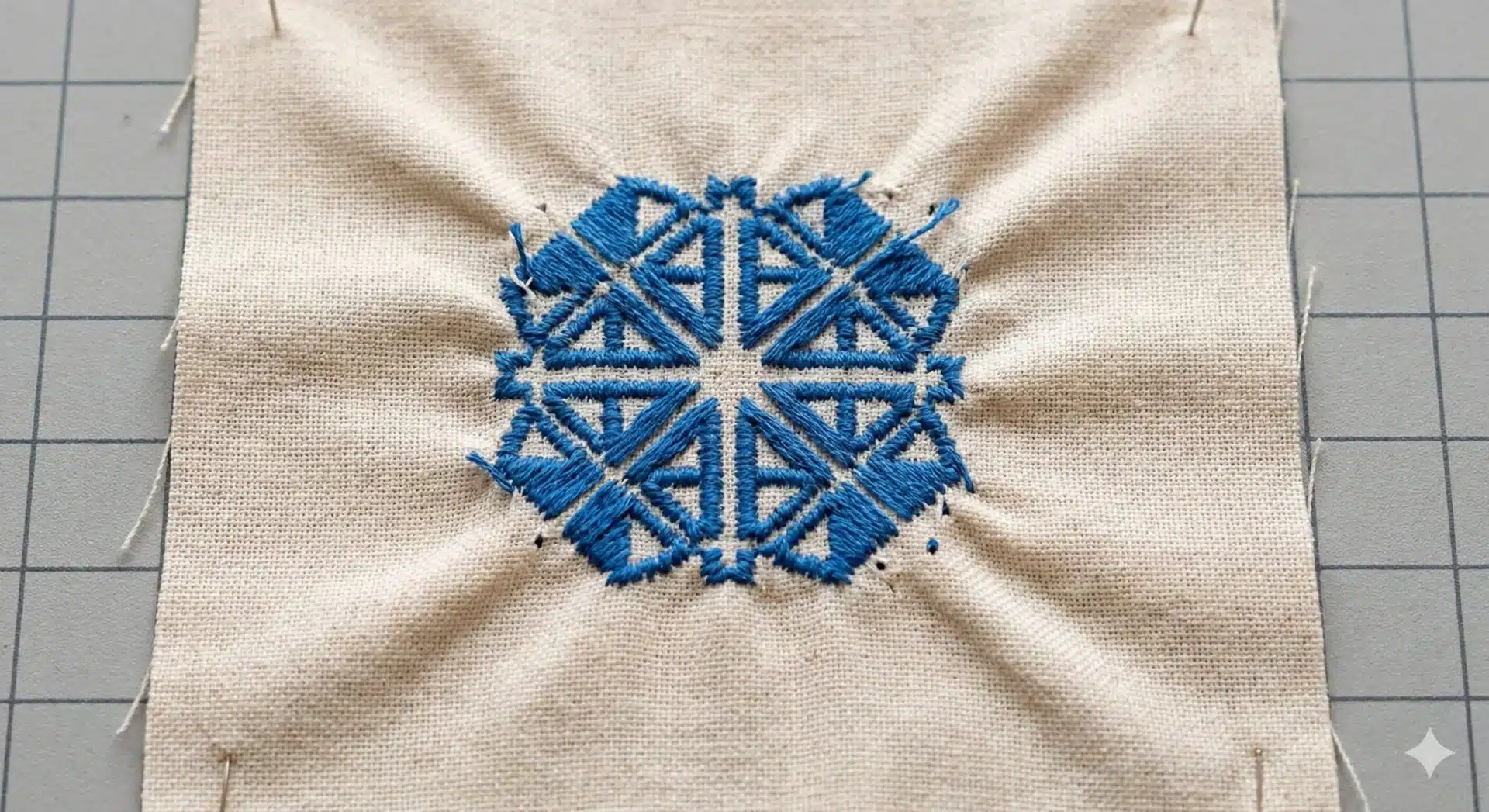
Without testing, fabric may pull inward, stretch, or wrinkle around embroidery. Testing helps confirm whether underlay and density are properly balanced for the fabric type.
Why Testing Saves Money and Production Time ?
Testing may seem time-consuming, but it prevents bigger losses.
Avoiding Garment Waste
When embroidery fails in production, garments are often ruined and cannot be reused. Testing reduces the risk of wasted materials and rejected orders.
Early detection is far cheaper than replacing finished garments.
Reducing Revisions and Redigitizing
Testing helps catch structural digitizing issues before production begins. This reduces the need for repeated revisions or complete redigitizing after embroidery problems appear.
Testing Helps Maintain Consistent Quality Across Orders
Consistency is essential for branding and repeat production.
Ensuring Repeatable Results
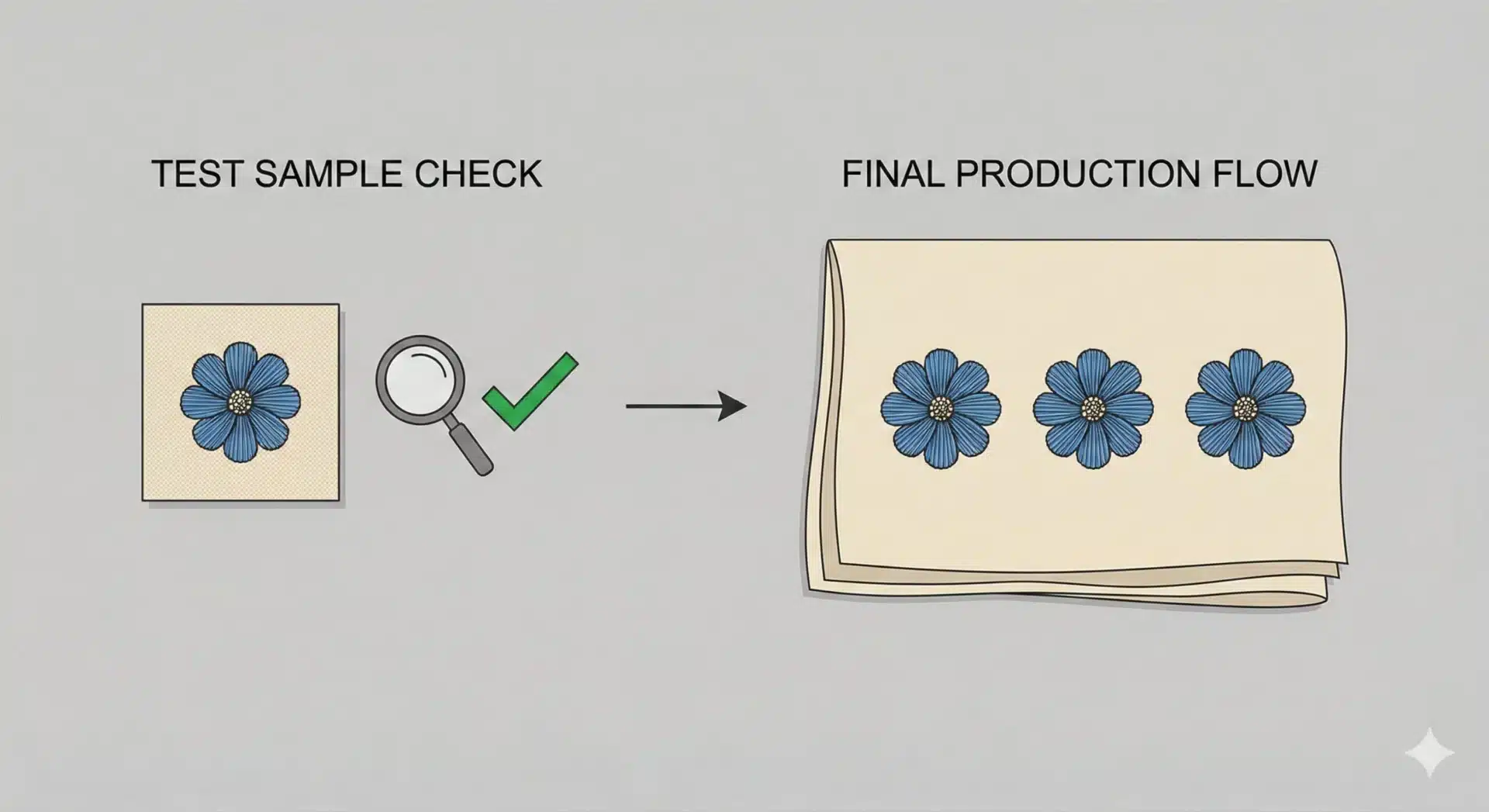
A tested design behaves predictably across multiple garments and machines. This consistency helps businesses maintain uniform embroidery quality across batches.
Customers notice consistency.
Supporting Brand Reputation
Inconsistent embroidery affects how a brand is perceived. Testing ensures logos, text, and details appear the same on every product.
This protects brand identity.
How Fabric Type Affects Testing Results ?
Testing must consider fabric behavior.
Testing on the Actual Fabric Used in Production
Different fabrics respond differently to stitches. Testing on the same fabric type used for production provides accurate performance feedback.
Testing on the wrong fabric gives misleading results.
Adjusting Digitizing Based on Test Results
Test outcomes guide adjustments to underlay, density, stitch direction, and sequencing. These refinements improve embroidery stability and appearance.
Why Manual Digitizing Makes Testing More Effective ?
Testing works best when files are engineered, not automated.
Manual Digitizing Allows Targeted Corrections
When digitizing is done manually, issues found during testing can be corrected precisely. Automated files often lack flexibility for fine adjustments.
Manual control improves test outcomes.
Testing Validates Stitch Engineering Decisions
Testing confirms whether digitizing choices—such as underlay type and density—are working as intended. This feedback loop improves file quality.
How EmbroiPlanet Uses Testing to Ensure Quality ?
Testing is part of EmbroiPlanet’s quality-first workflow.
Production-Focused Quality Checks
Digitized designs are reviewed with real embroidery performance in mind. Testing helps ensure files run smoothly and consistently.
Reducing Client Production Risks
By prioritizing testing and performance, EmbroiPlanet helps clients avoid production delays, waste, and quality issues.
Contact Methods
You can contact EmbroiPlanet via:
You can contact EmbroiPlanet through:
Email – [email protected]
Instagram Direct Message – https://www.instagram.com/embroiplanet
Final Thoughts on the Importance of Testing
Testing embroidery designs before full production is essential for achieving consistent quality, reducing waste, and protecting brand reputation. While skipping testing may save time initially, it often leads to costly problems later.
Professional embroidery digitizing combined with proper testing ensures reliable production, predictable results, and long-term efficiency. EmbroiPlanet focuses on digitizing solutions that support stable embroidery performance and informed production decisions.

Why Using the Same Digitized File for Different Garments Can Cause Embroidery Issues ?

What File Formats Are Required for Embroidery Digitizing?

Why Embroidery Digitizing Turnaround Time Depends on Design Complexity ?