




























Embroidery digitizing is a technical process that depends heavily on the information provided before the digitizing begins. Many production issues such as poor clarity, incorrect sizing, fabric distortion, and repeated revisions occur because essential details were not shared during the initial design submission.
For embroidery businesses and clothing brands, providing the right information before digitizing helps improve embroidery quality and reduce production delays. This blog explains what details should be shared before sending a logo for embroidery digitizing and why they matter.
Why Pre-Digitizing Information Is Important ?
Providing accurate information helps digitizers create production-ready embroidery files.
Digitizing Depends on Application, Not Just Design
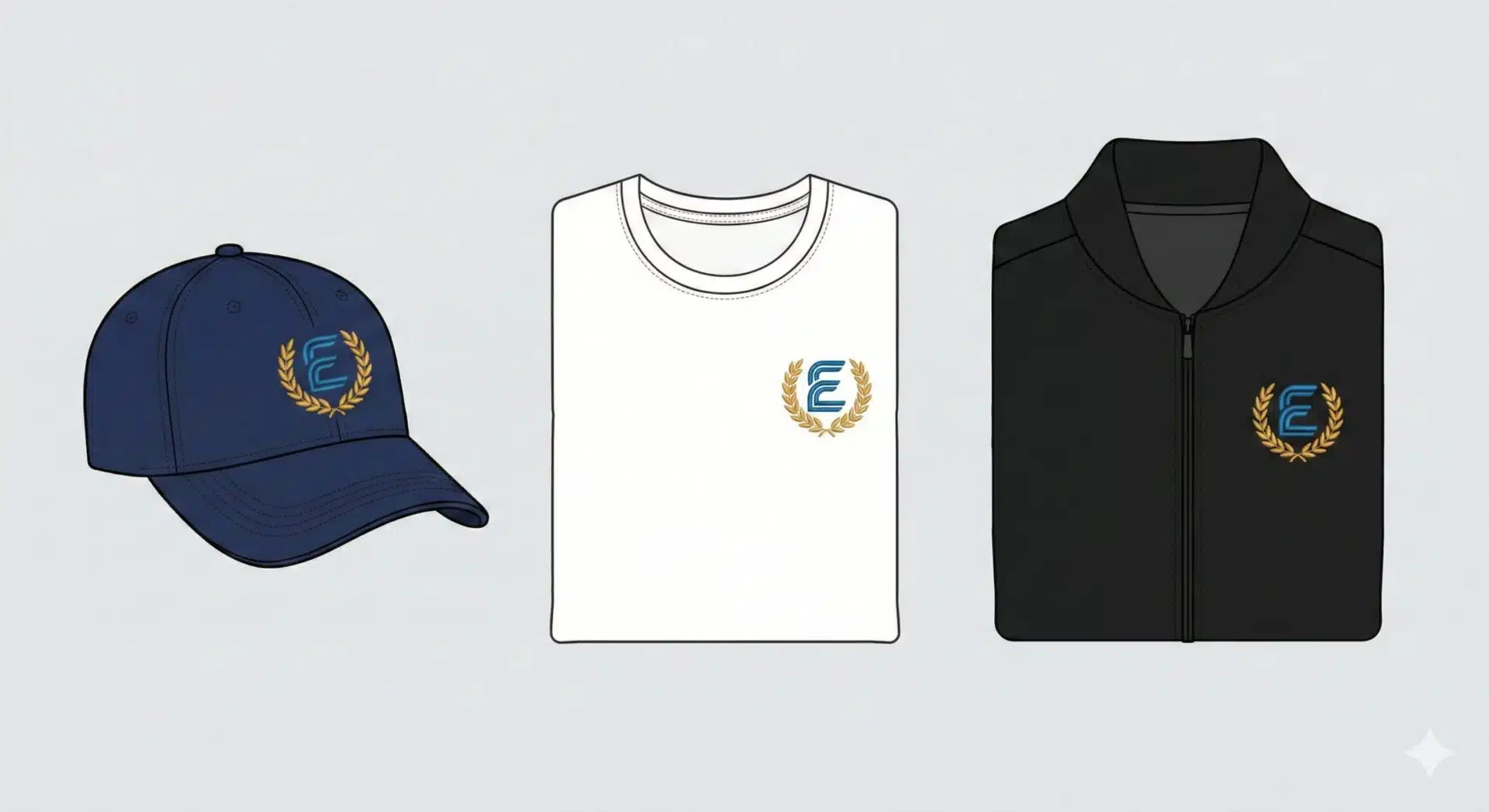
A logo digitized for caps may not perform correctly on t-shirts or jackets. The application affects stitch density, underlay type, and stitch direction.
Digitizing decisions must be based on how and where the design will be embroidered.
Avoiding Production Issues Before They Start
Sharing the right details allows digitizers to anticipate fabric behavior and adjust stitch settings accordingly.
This prevents distortion and poor embroidery performance.
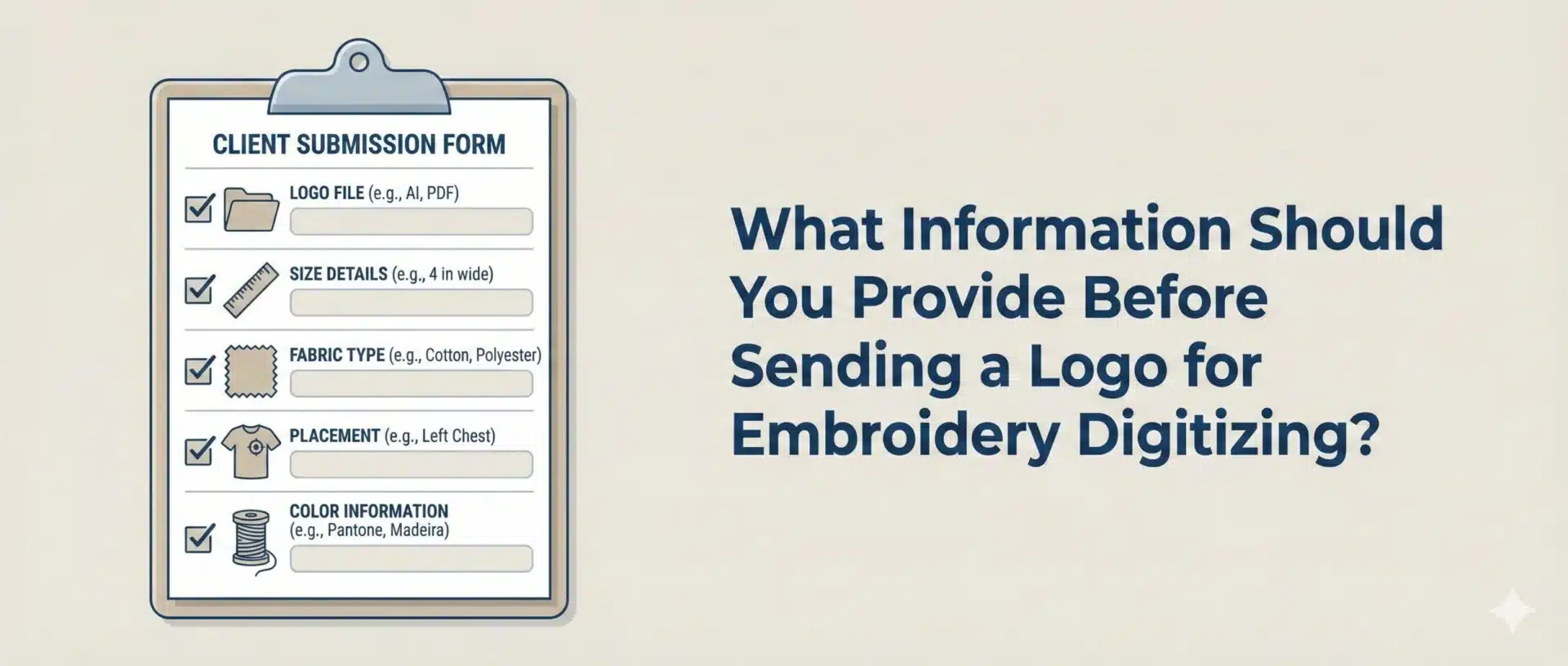
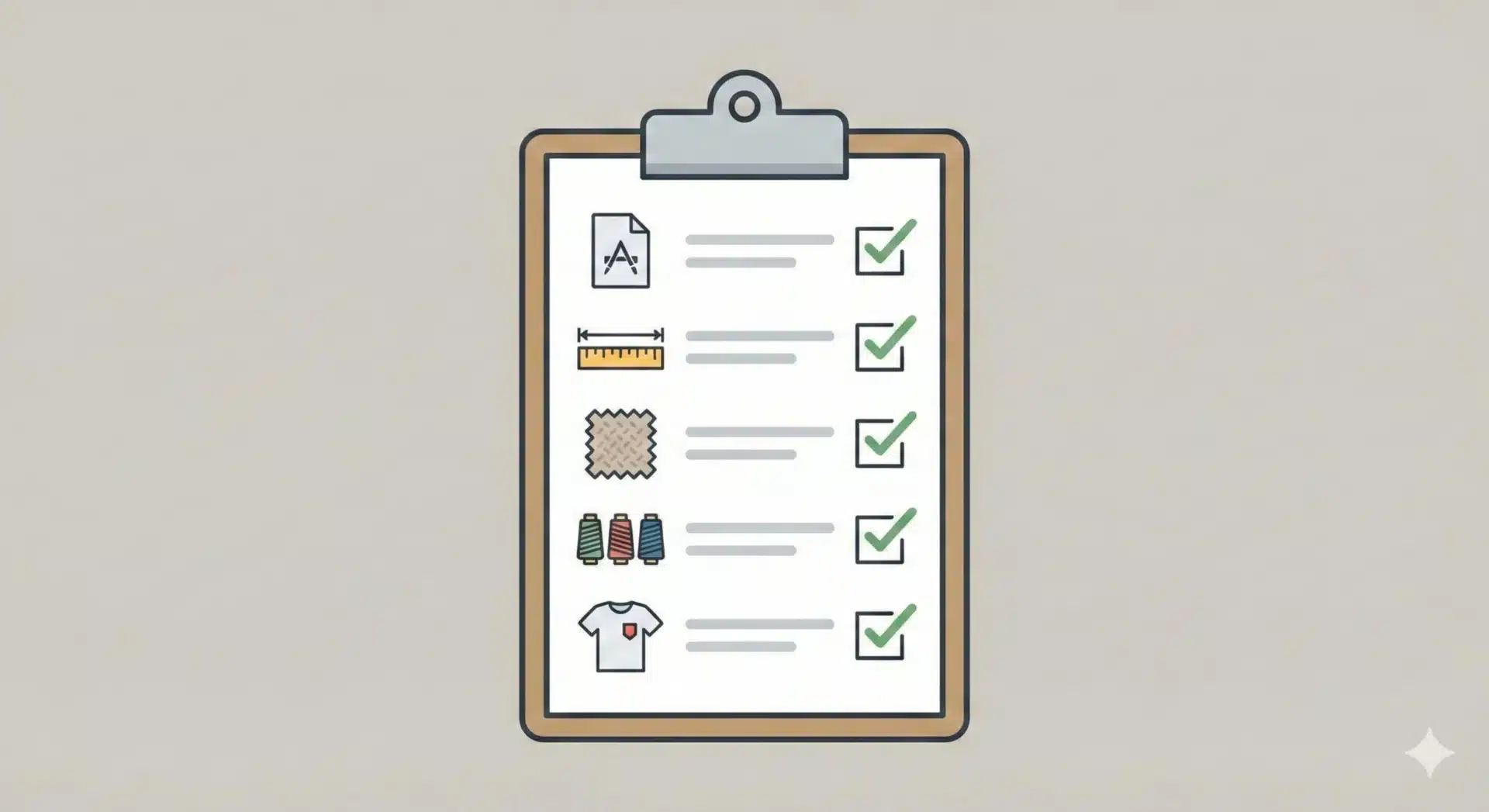
Required Information Before Sending Artwork
Providing the following details improves digitizing accuracy.
Final Embroidery Size
Embroidery files are size-specific. A design digitized for 3 inches may not work correctly at 1 inch.
Size directly affects density, pull compensation, and stitch sequencing.
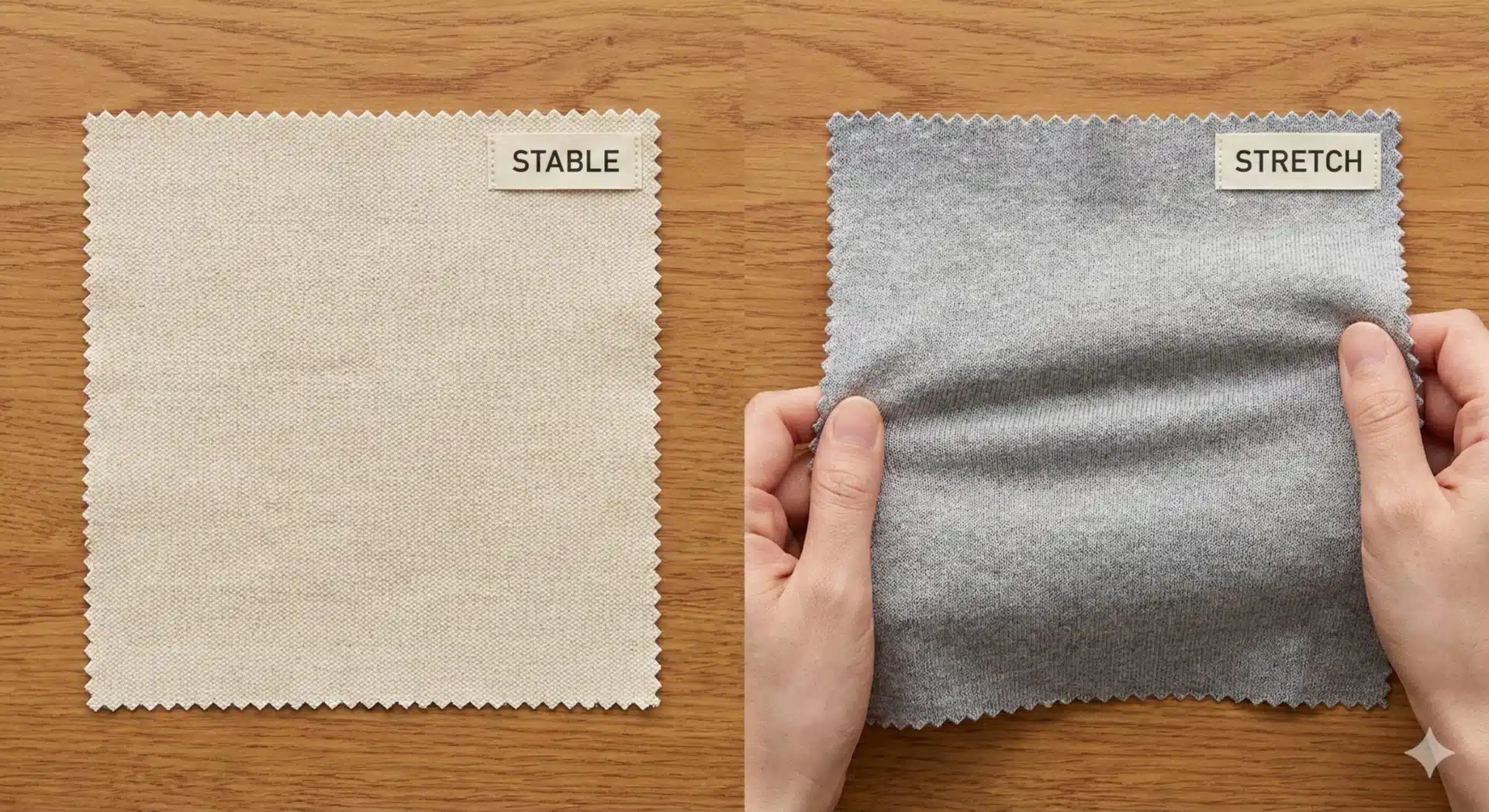
Fabric Type
Different fabrics require different stitch strategies. Cotton, polyester, fleece, and stretch materials behave differently during embroidery.
Application Area and Placement
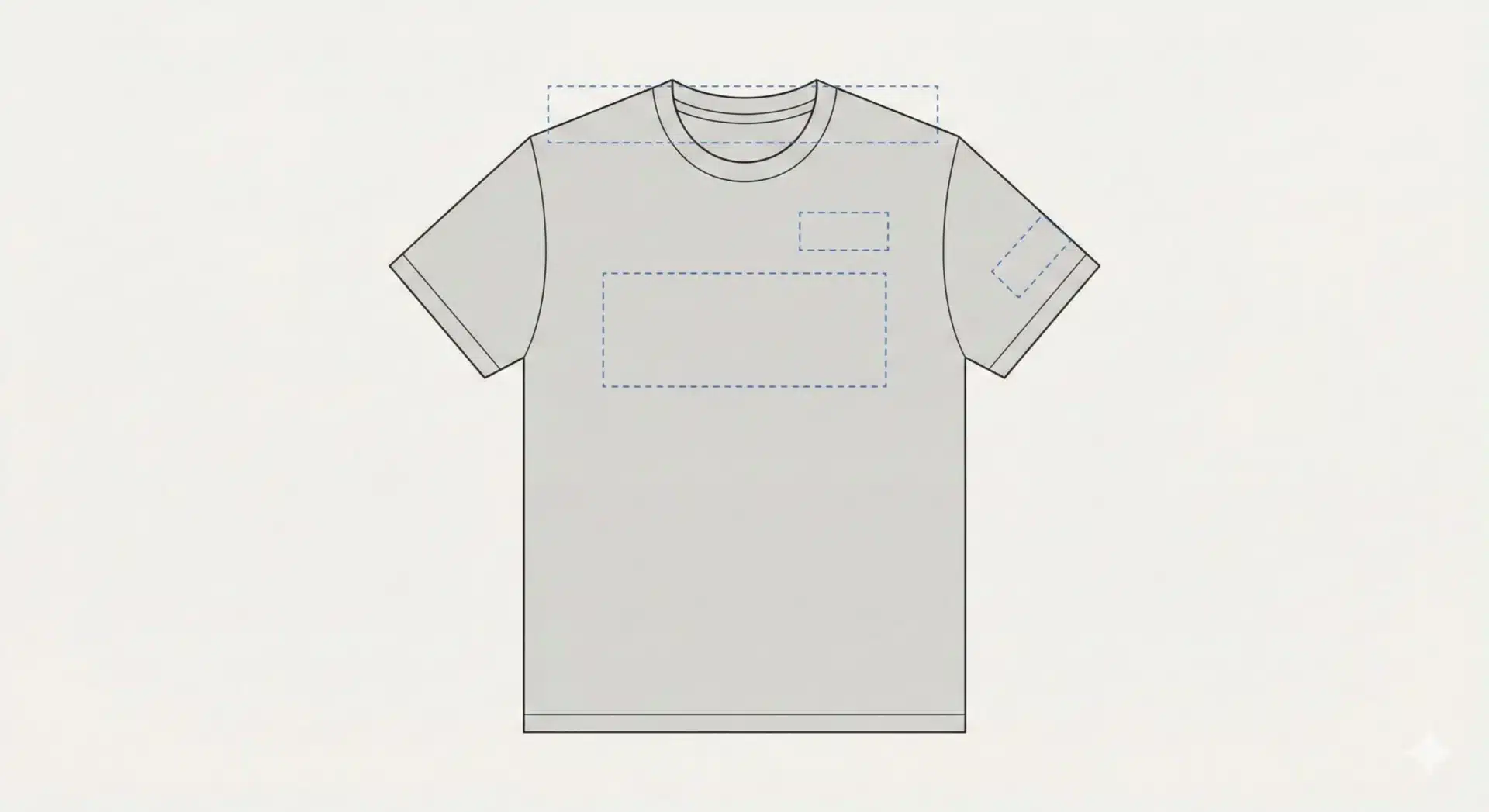
Where the design will be embroidered matters.
Placement on Garments or Accessories
Embroidery on sleeves, chest, or caps requires different digitizing approaches. Placement affects hooping stability and stitch behavior.
Incorrect assumptions can lead to embroidery failure.
Orientation and Layout
Vertical or horizontal placement may influence stitch sequencing and direction.
Color and Thread Preferences
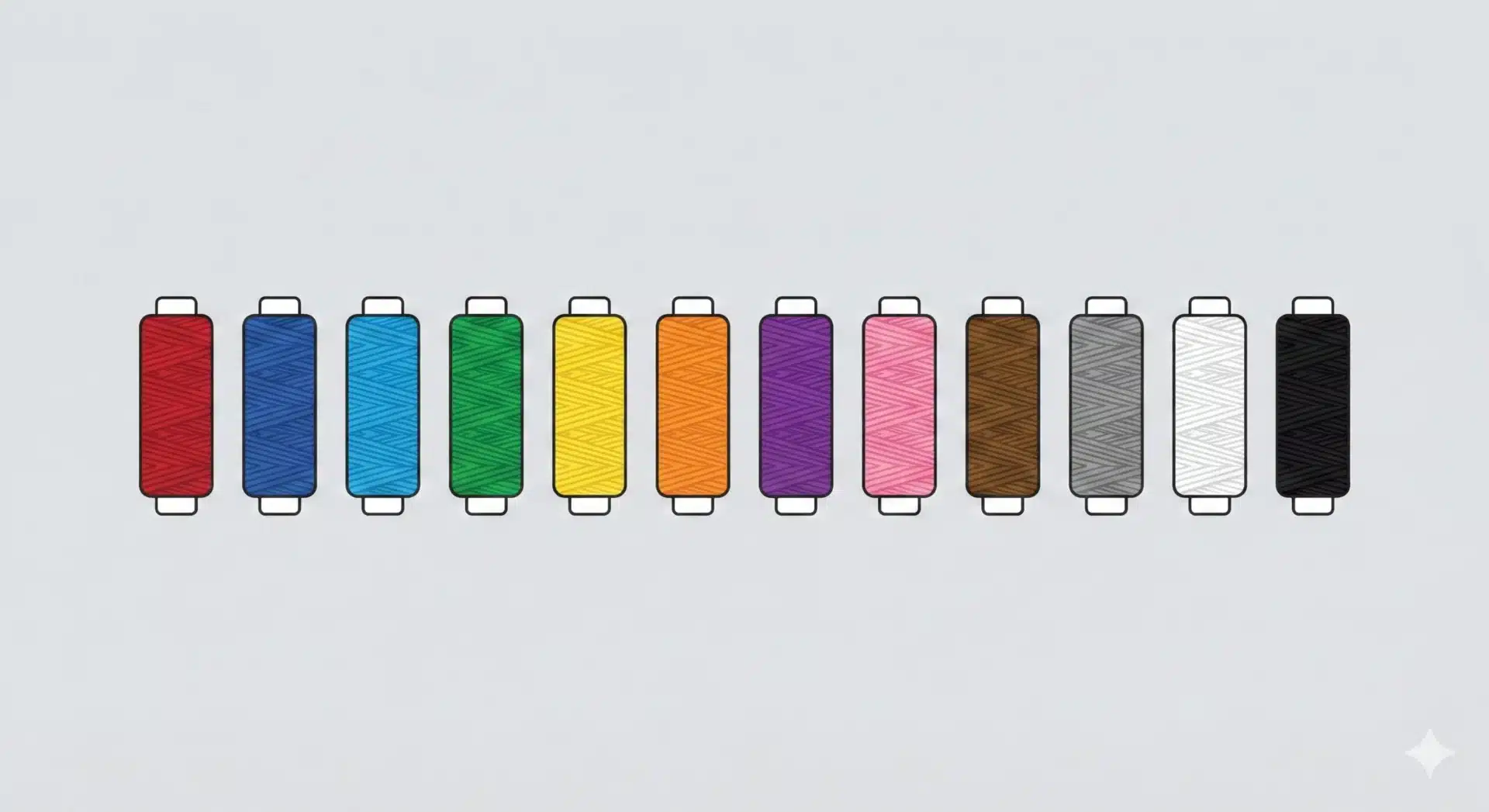
Thread selection influences visual results.
Thread Color Matching
Providing color references helps maintain brand consistency.
Special Thread Requirements
Metallic or specialty threads require specific stitch adjustments.
File Format and Artwork Quality
Artwork quality affects digitizing accuracy.
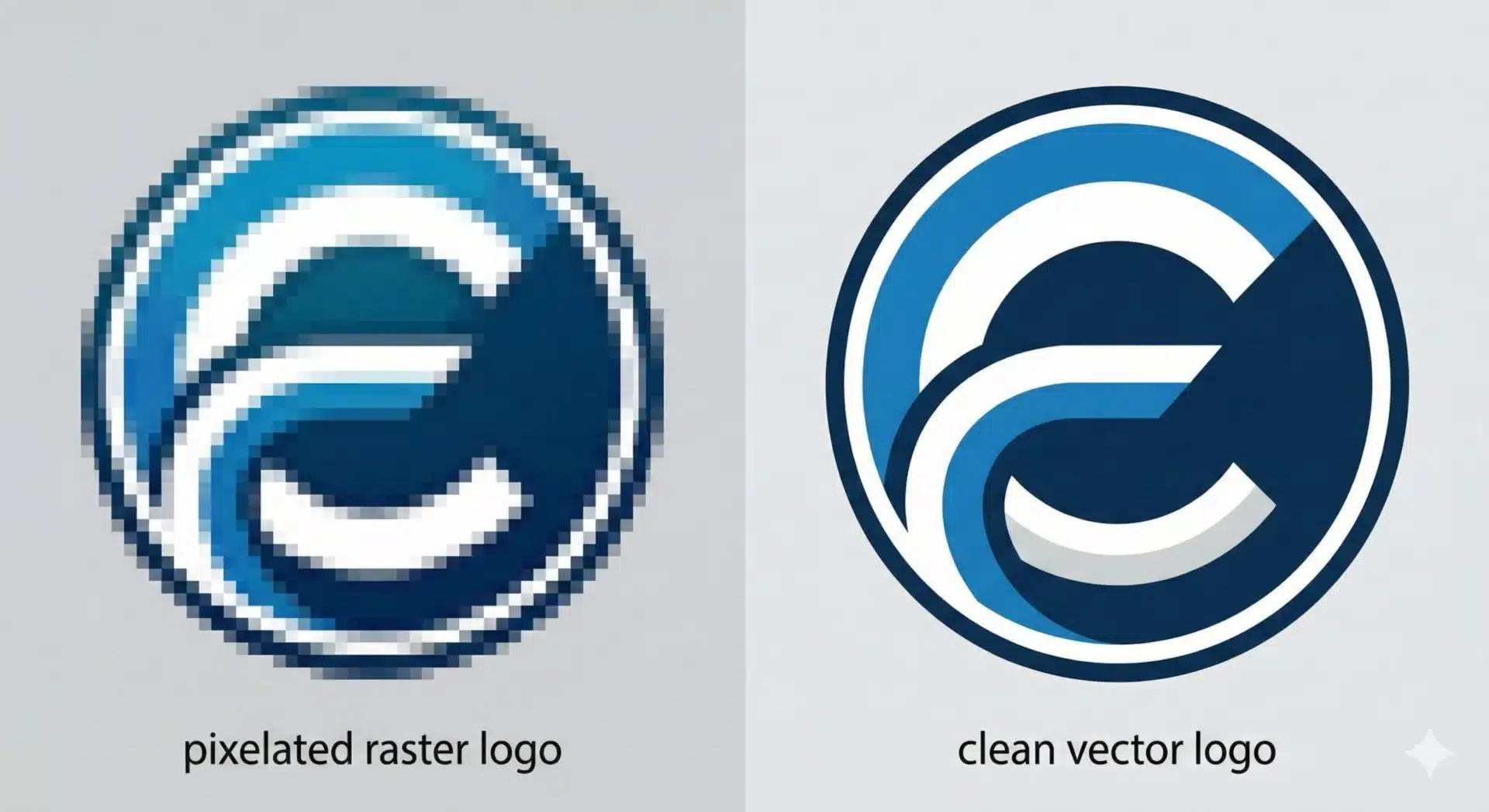
Vector vs Raster Files
Vector files provide clean outlines, while raster images may require interpretation.
High-quality artwork improves stitch clarity.
Avoiding Low-Resolution Artwork
Blurry or pixelated logos increase digitizing difficulty and may require redesign.
How Proper Information Reduces Revisions ?
Clear communication improves workflow.
Minimizing Production Delays
Accurate details allow digitizers to create stable files from the start.
Improving Embroidery Consistency
Providing consistent specifications ensures repeatable embroidery results across orders.
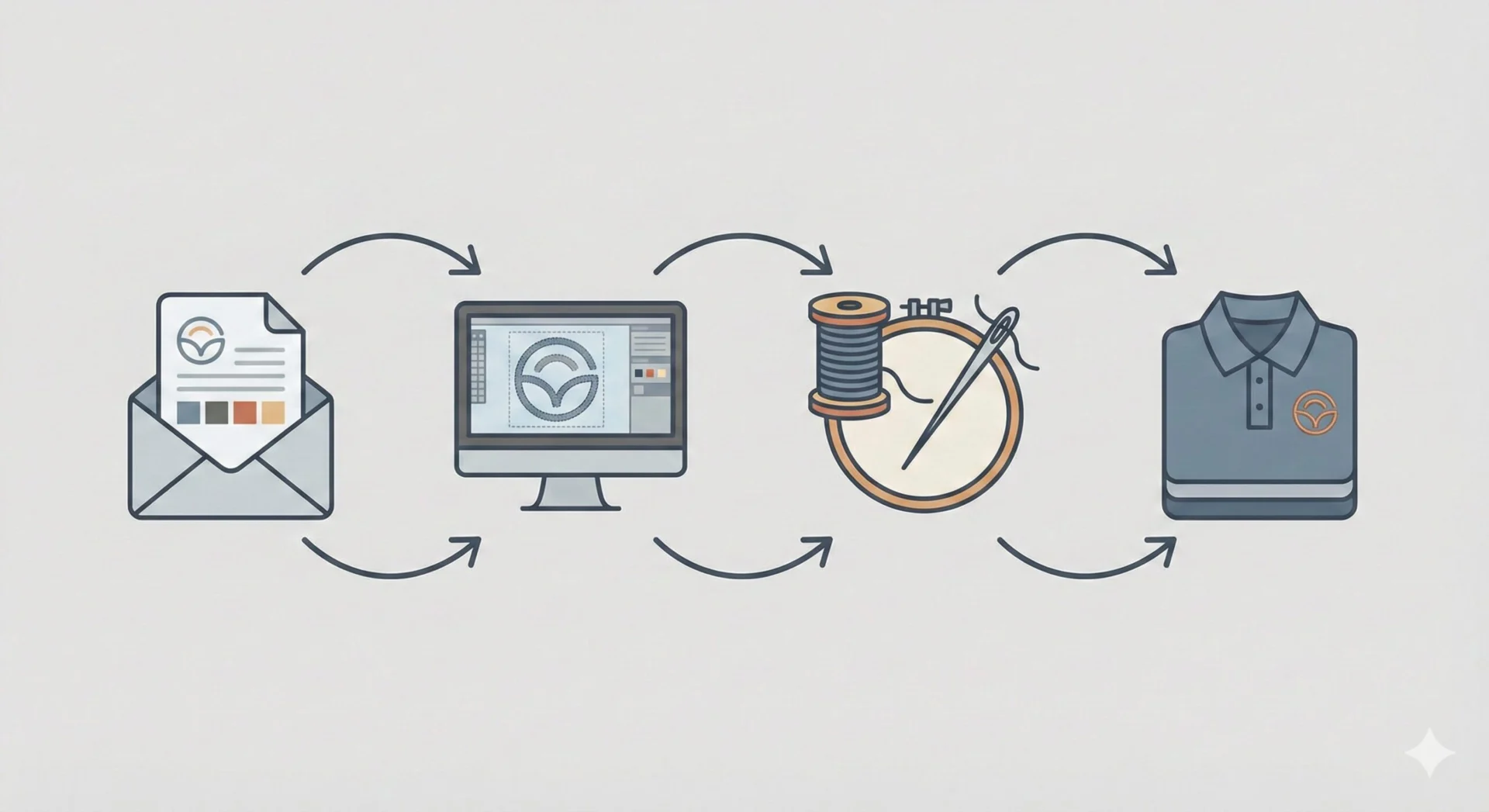
How EmbroiPlanet Uses Client Information ?
EmbroiPlanet follows a structured digitizing workflow.
Information-Based Stitch Planning
Digitizing decisions are made using client-provided data.
Production-Focused File Preparation
Files are prepared to run smoothly on machines.
You can contact EmbroiPlanet through:
Email – [email protected]
Instagram Direct Message – https://www.instagram.com/embroiplanet
Final Thoughts on Pre-Digitizing Preparation
Providing accurate information before digitizing helps prevent production issues, reduces revisions, and improves embroidery quality. Proper preparation ensures that embroidery files are optimized for the intended application and fabric type.
EmbroiPlanet focuses on creating production-ready digitizing files based on detailed client input.
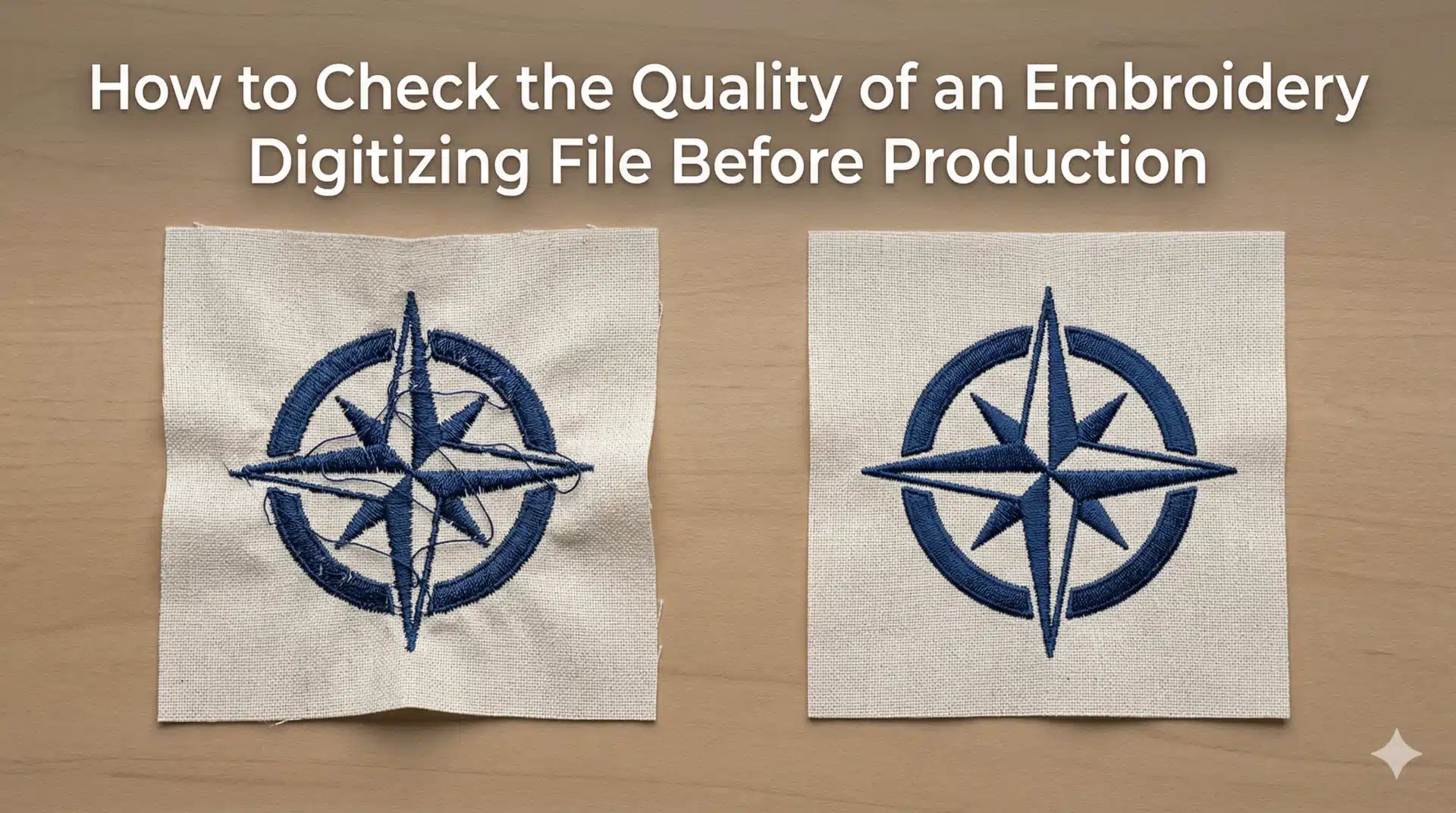
How to Check the Quality of an Embroidery Digitizing File Before Production ?
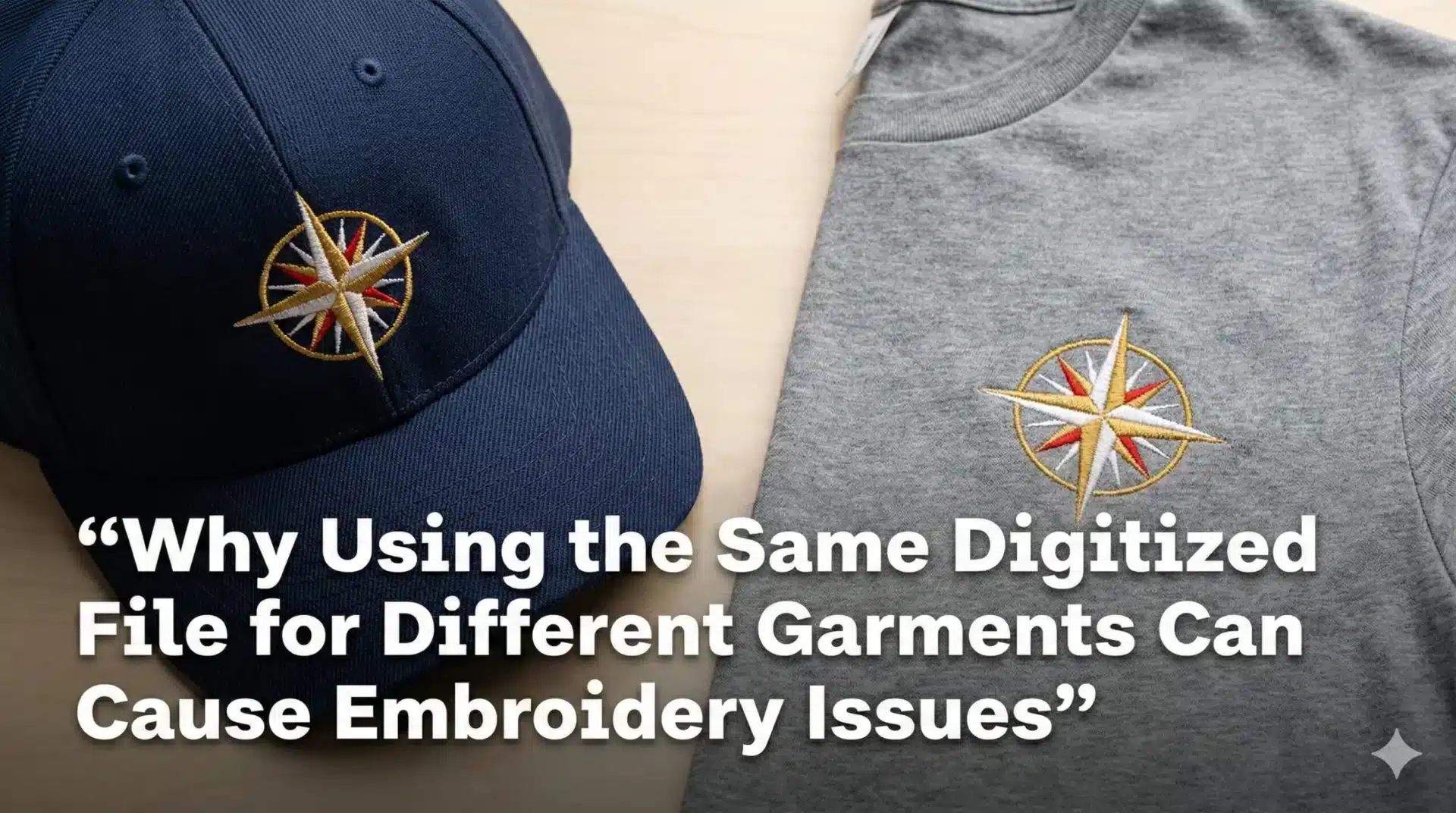
Why Using the Same Digitized File for Different Garments Can Cause Embroidery Issues ?
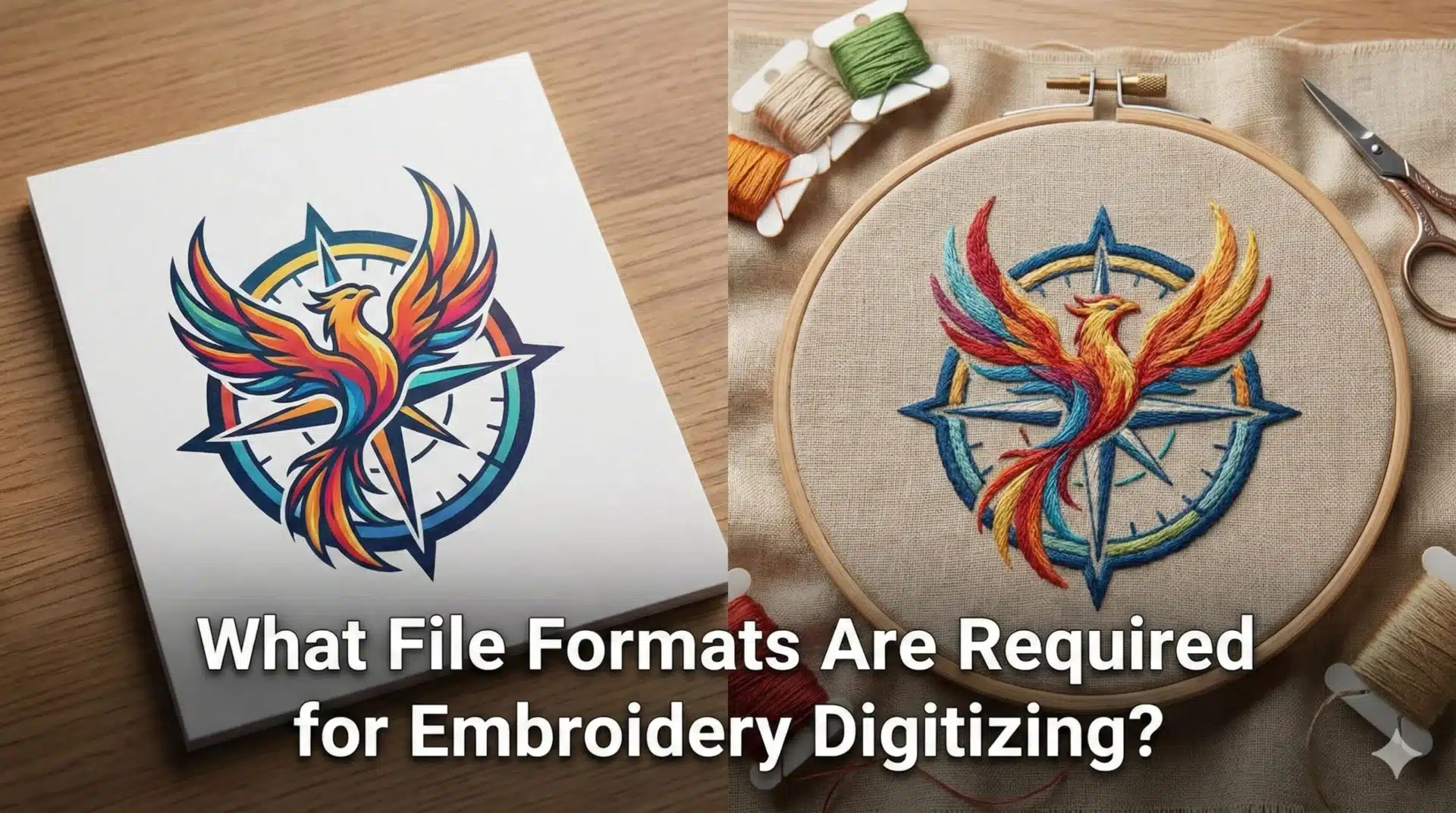
What File Formats Are Required for Embroidery Digitizing?