

























Embroidery Designs for Machines – Find, Choose, and Create Like a Pro

Machine embroidery has transformed creative expression in crafting, fashion, and personalized gift-making. Today, what once took hours by hand can be accomplished with incredible precision and detail using embroidery designs for machines. These digital files are the core of every project, and choosing the right design is just as important as owning the machine itself.
In this blog, we’ll zoom in on what makes a great embroidery design, the styles available, where to find them, and how to pick the right one for your machine and project.
What Exactly Are Embroidery Designs for Machines?
At their core, machine embroidery designs are digital instructions that tell your embroidery machine exactly where and how to stitch. Think of them like blueprints for thread art—each design includes coordinates for the needle, color changes, stitch types, and even layering instructions.
They’re available in a variety of file formats like PES, DST, EXP, JEF, HUS, VP3, and more—each format corresponding to different embroidery machine brands. These files are created using embroidery digitizing software, which converts artwork into stitches that machines can follow.
Why the Right Embroidery Design Matters

A good embroidery design doesn’t just look beautiful on screen—it stitches smoothly, uses efficient paths, has balanced thread density, and avoids unnecessary trims or jumps. Choosing the wrong file or a poor-quality design can lead to:
- Broken threads
- Skipped stitches
- Puckering fabric
- Wasted time and materials
That’s why understanding types of embroidery designs and how to evaluate them is critical for successful machine embroidery.
Types of Embroidery Designs for Machines
Let’s break down the most common types of machine embroidery designs, each with its style, structure, and best use case.
1. Filled Stitch Embroidery Designs

These are solid, dense areas of thread that create bold and colorful images. Often used for logos, character art, or graphic-heavy projects, filled stitch designs can handle lots of detail and shading.
- Best for: T-shirts, caps, jackets, logos, patches
- Tip: Use a strong stabilizer to support the density
2. Appliqué Embroidery Designs

Appliqué combines fabric pieces with embroidery outlines. The design tells the machine when to pause so you can place fabric over specific sections, which are then secured with satin or zigzag stitches.
- Best for: Quilts, kids’ clothing, blankets
- Tip: Choose high-contrast fabric pieces for added visual impact
3. In-the-Hoop (ITH) Projects

These complete items (like zipper pouches, coasters, bookmarks, and plushies) are made entirely within the embroidery hoop using multiple steps and materials.
- Best for: Gifts, home décor, accessories
- Tip: Follow step-by-step instructions carefully—they’re layered like mini sewing projects
4. Freestanding Lace (FSL)

FSL designs stitch onto water-soluble stabilizer and are meant to stand on their own once rinsed. They’re airy, delicate, and decorative.
- Best for: Ornaments, jewelry, window hangings
- Tip: Use quality thread and rinse gently to maintain shape
5. Redwork or Line Art

Minimalist, single-color designs made with running stitches. They’re light, fast to stitch, and easy to customize.
- Best for: Kitchen towels, pillowcases, baby clothes
- Tip: Use variegated thread to add subtle flair without changing colors
6. Monogram and Font Designs
Ideal for personalization, these use lettering in various embroidery-friendly fonts. Some fonts come as complete alphabets, while others are built into your machine or software.
- Best for: Gifts, linens, uniforms
- Tip: Choose a stabilizer that prevents distortion for sharp lettering
How to Evaluate Embroidery Designs
Before downloading or buying a design, here’s what to look for:
File Format Compatibility
Ensure the design file matches your embroidery machine’s format. For example:
- Brother/Baby Lock: PES
- Janome: JEF
- Bernina: EXP
- Tajima/Commercial: DST
Hoop Size & Dimensions
Designs should fit your machine’s hoop size. Too large, and they won’t load. Too small, and the detail may be lost.
Stitch Count
High stitch counts typically mean more detail but take longer and require strong stabilization. Simpler designs are great for beginners or bulk production.
Color Sequence
Most quality files include a color chart and recommended thread colors. Make sure you can interpret or match the thread colors used, especially for multicolor designs.
File Structure
Watch for excessive trims, jump stitches, or overlapping layers. Clean designs improve machine performance and reduce production hiccups.
Understanding Design Quality: Not All Embroidery Designs Are Created Equal
One crucial aspect of machine embroidery that many beginners overlook is the quality of digitization. A beautiful image doesn’t necessarily translate to a beautiful embroidery design without proper digitizing.
High-quality machine embroidery designs feature:
- Appropriate underlay stitches to support the design
- Logical stitch direction that enhances the final appearance
- Reasonable stitch density that won’t cause puckering
- Smart color changes that minimize thread cuts
- Proper compensation for fabric push and pull
“The difference between a professionally digitized design and an amateur one becomes immediately apparent once you start stitching,” explains embroidery expert James Martinez. “Professional digitizers understand how thread interacts with fabric and how to create designs that will stitch out beautifully time after time.”
Essential Tools for Working with Embroidery Designs

Beyond just the designs themselves, successful machine embroidery requires a few key tools:
- The Right Stabilizer: Stabilizers provide support for your fabric during embroidery. Depending on your project, you might need tear-away, cut-away, wash-away, or heat-dissolving stabilizers. Choosing the correct stabilizer can make or break your embroidery project.
- Quality Thread: Not all threads are created equal when it comes to machine embroidery. Polyester threads tend to be more colorfast and stronger than rayon, while cotton threads provide a more traditional look. Brands like Glide offer smooth-running threads specifically designed for machine embroidery.
- Proper Needles: Embroidery-specific needles have larger eyes and special scarf designs to protect threads from breaking during high-speed stitching. Changing your needle regularly ensures clean stitches and prevents damage to your designs.
- Design Software: While not strictly necessary, having basic embroidery software allows you to make minor adjustments to designs, combine elements, or resize when needed.
Popular Projects Using Machine Embroidery Designs
Machine embroidery designs can transform ordinary items into personalized treasures. Here are some popular projects that crafters love:
- Personalized Baby Gifts: From blankets to onesies to stuffed animals, embroidered baby items make cherished keepsakes. In-the-hoop designs like bear lovies are particularly popular for baby showers.
- Home Décor: Kitchen towels, pillow covers, and wall hangings all gain character and charm with embroidered designs. Seasonal designs allow you to update your home throughout the year.
- Wearable Art: Add embroidery designs to jackets, t-shirts, hats, and more to create unique fashion statements. Leather patches with embroidered designs are particularly on-trend right now.
- Practical Accessories: In-the-hoop projects like key fobs, wrist pin cushions, and small bags combine functionality with creativity.
Tips for Embroidery Design Success
To get the most out of your machine embroidery designs:
- Test First: Always stitch a test sample of new designs, especially on similar fabric to your final project.
- Use the Right Materials: Match your stabilizer, needle, and thread to both your design and fabric.
- Maintain Your Machine: Regular cleaning and maintenance ensure your machine handles designs properly.
- Join Communities: Facebook groups and forums dedicated to machine embroidery are treasure troves of advice and inspiration.
- Start Simple: Build your skills with less complex designs before tackling intricate projects.
The Future of Machine Embroidery Designs

As technology advances, so does the world of machine embroidery. Today’s designs feature more realistic shading, innovative techniques like trapunto and cutwork, and creative combinations with appliqué and other crafting methods.
“What excites me most about machine embroidery today is how designers are pushing boundaries,” says craft blogger Emma Wilson. “We’re seeing designs that would have been impossible just a few years ago, opening up new creative possibilities for crafters at all levels.”
Embroidery Design Organization and Usage
Managing your design collection can be overwhelming. Here’s how to stay organized and efficient:
- Folder Structure: Organize by category (e.g., Holidays, Fonts, Animals, Logos)
- Label Files: Rename designs with project type or size for quick access
- Preview Software: Use free programs like Wilcom Truesizer or Embrilliance Express to view and test files
- Back It Up: Always save your designs to cloud storage or an external drive
Final Thoughts
Embroidery designs for machines are the digital paintbrushes of the modern stitching world. They let you turn simple fabric into artwork, personalized gifts, business merchandise, or home décor with just a few taps on your machine.
Whether you’re crafting for fun, creating custom gifts, or running an embroidery business, knowing your design options—and how to choose the right one—will make your stitching journey smoother, more enjoyable, and more creative.
Got a favorite design style or source? Let us know!
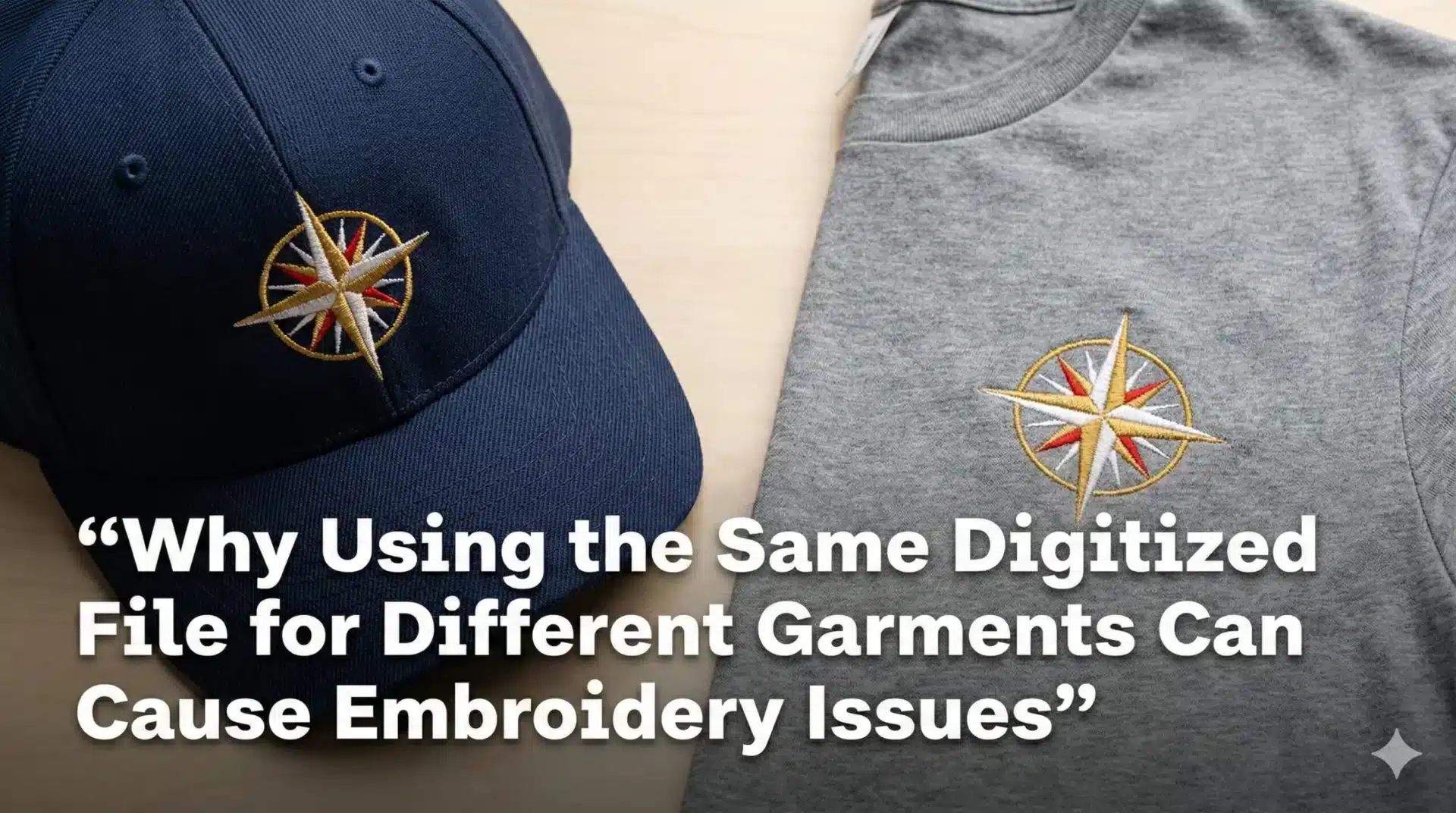
Why Using the Same Digitized File for Different Garments Can Cause Embroidery Issues ?

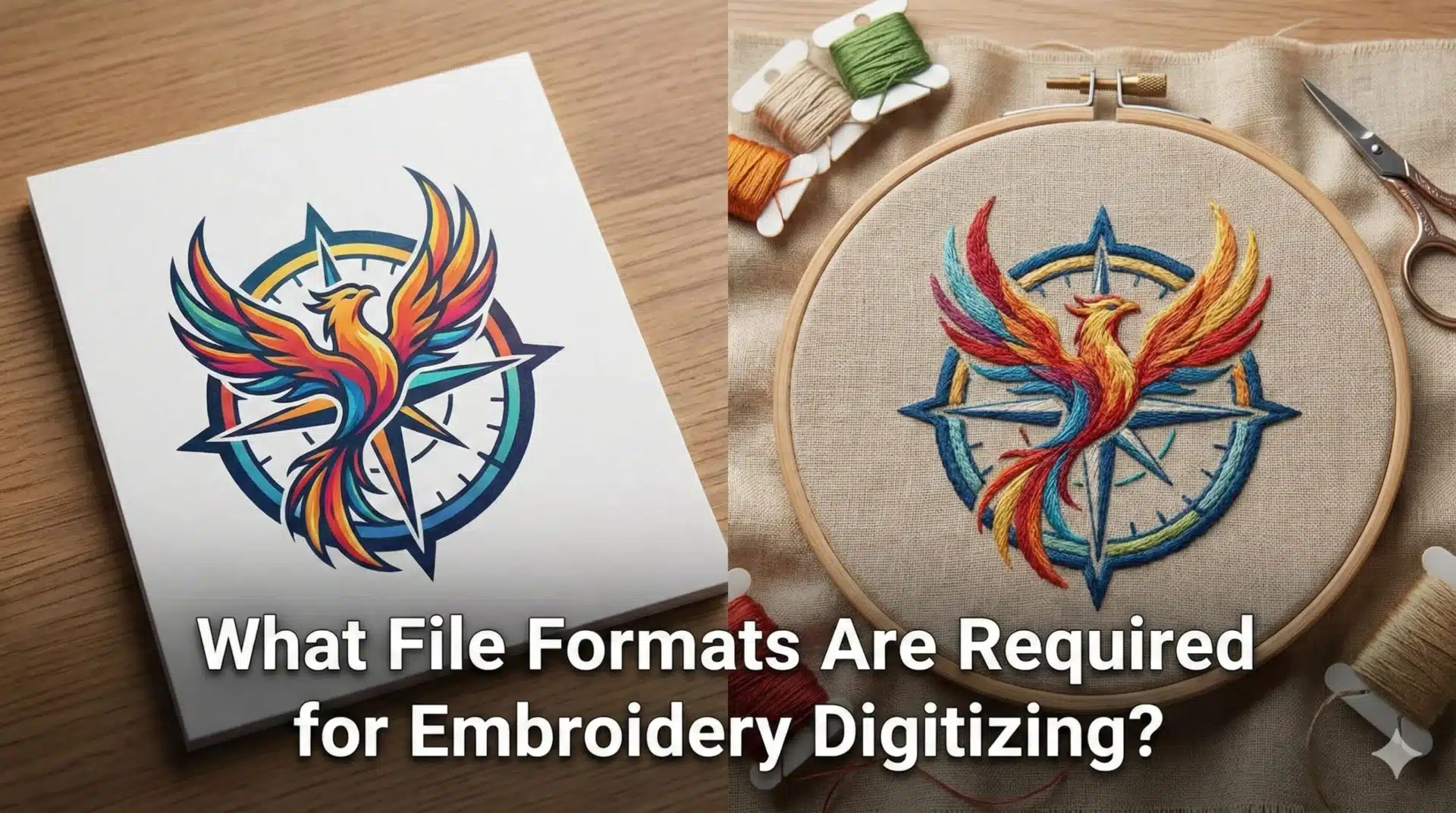
What File Formats Are Required for Embroidery Digitizing?
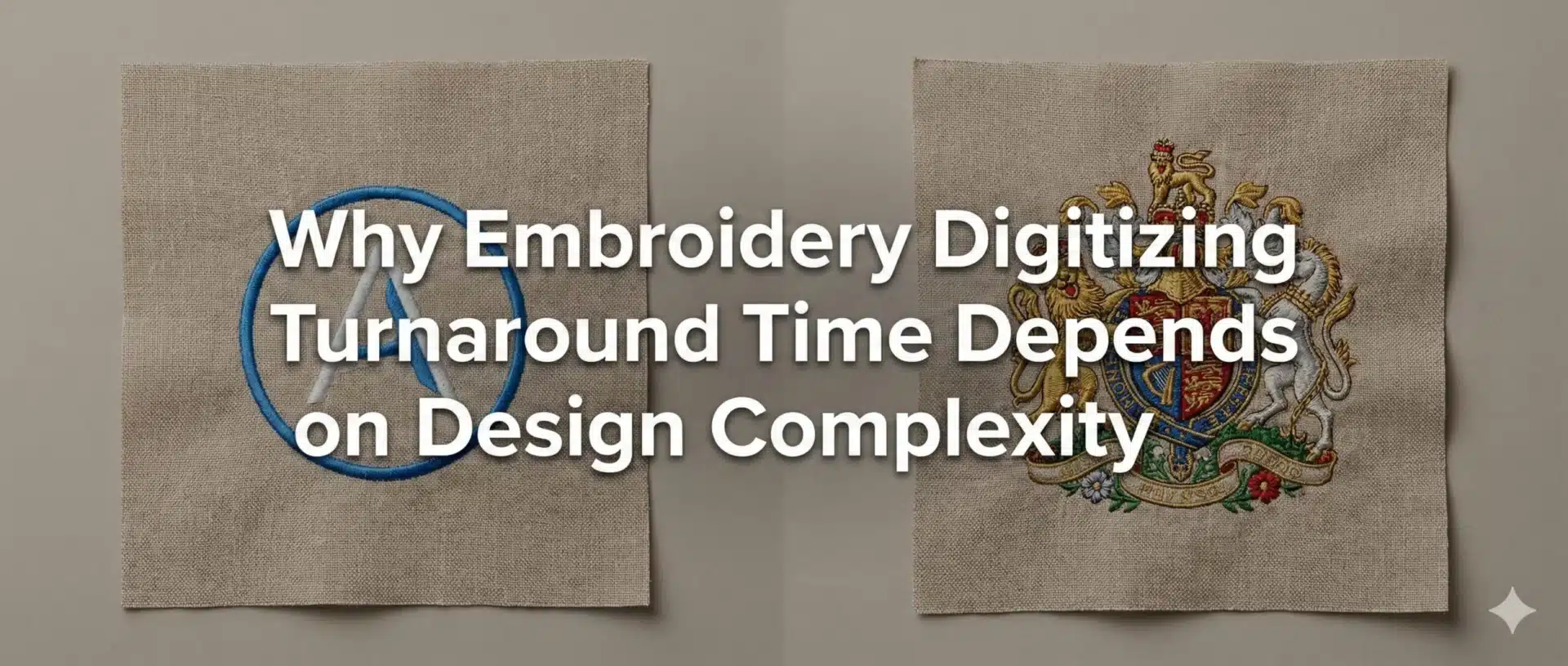
Why Embroidery Digitizing Turnaround Time Depends on Design Complexity ?