






























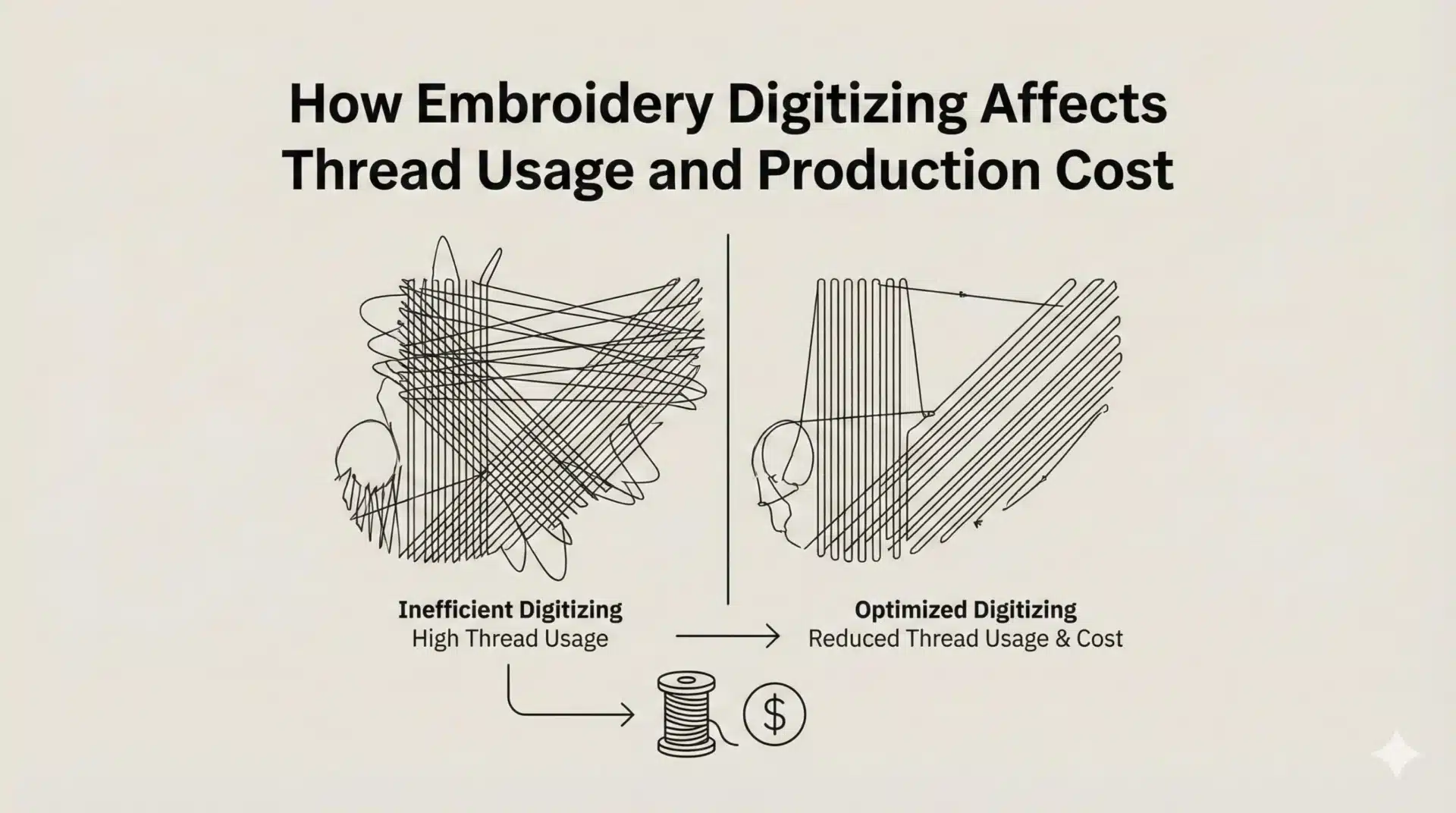
Embroidery production efficiency depends not only on machine performance but also on the quality of embroidery digitizing. Poorly digitized files often slow down machine operation, increase thread breaks, and cause repeated stops during production.
For embroidery businesses and clothing brands, understanding how digitizing affects machine speed can help reduce production time and improve output consistency. This blog explains how professional digitizing improves machine efficiency and prevents unnecessary delays during embroidery.
Why Digitizing Plays a Role in Machine Performance ?
Digitizing controls how stitches behave during embroidery.
Stitch Planning Directly Affects Machine Movement
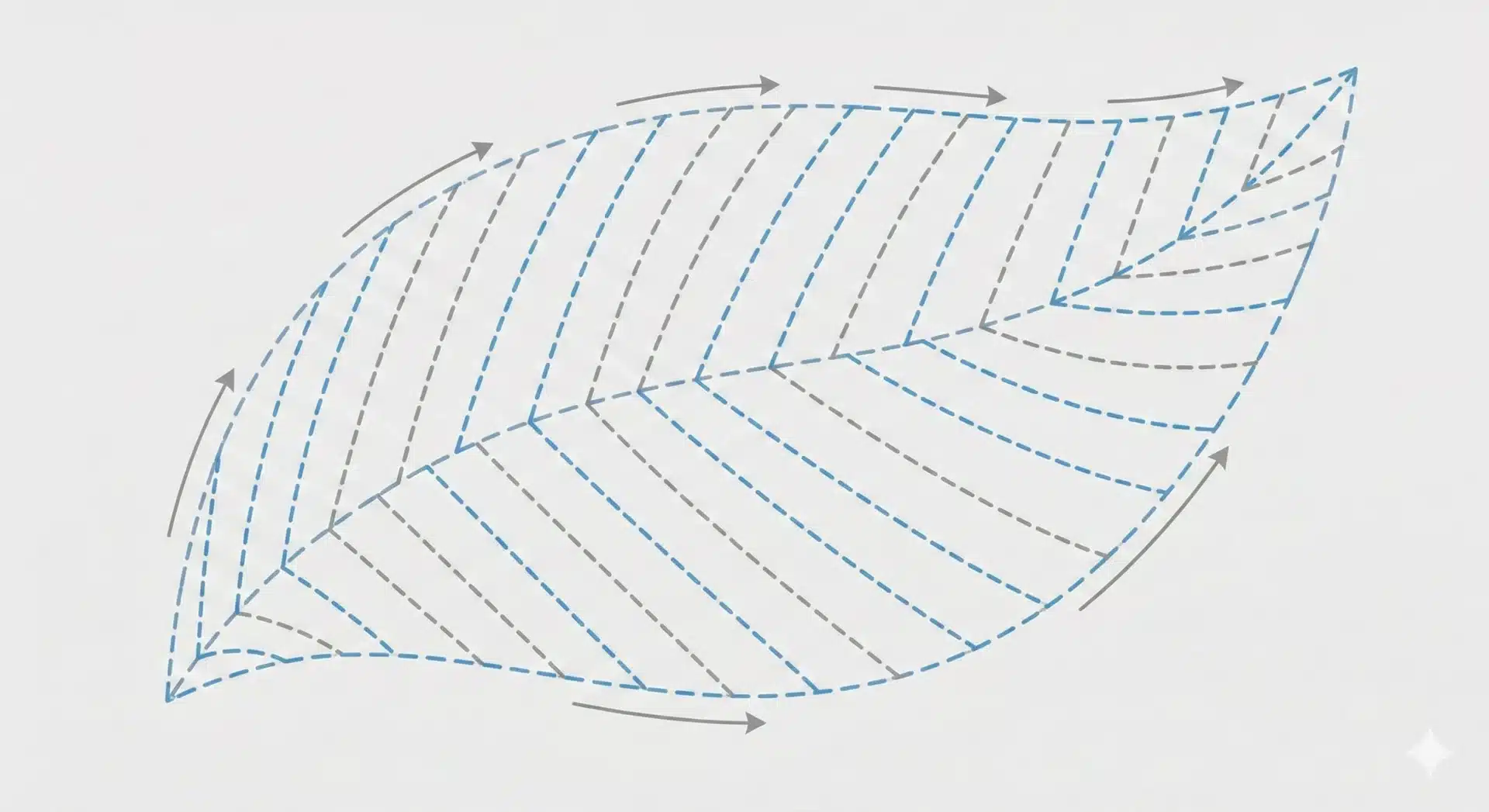
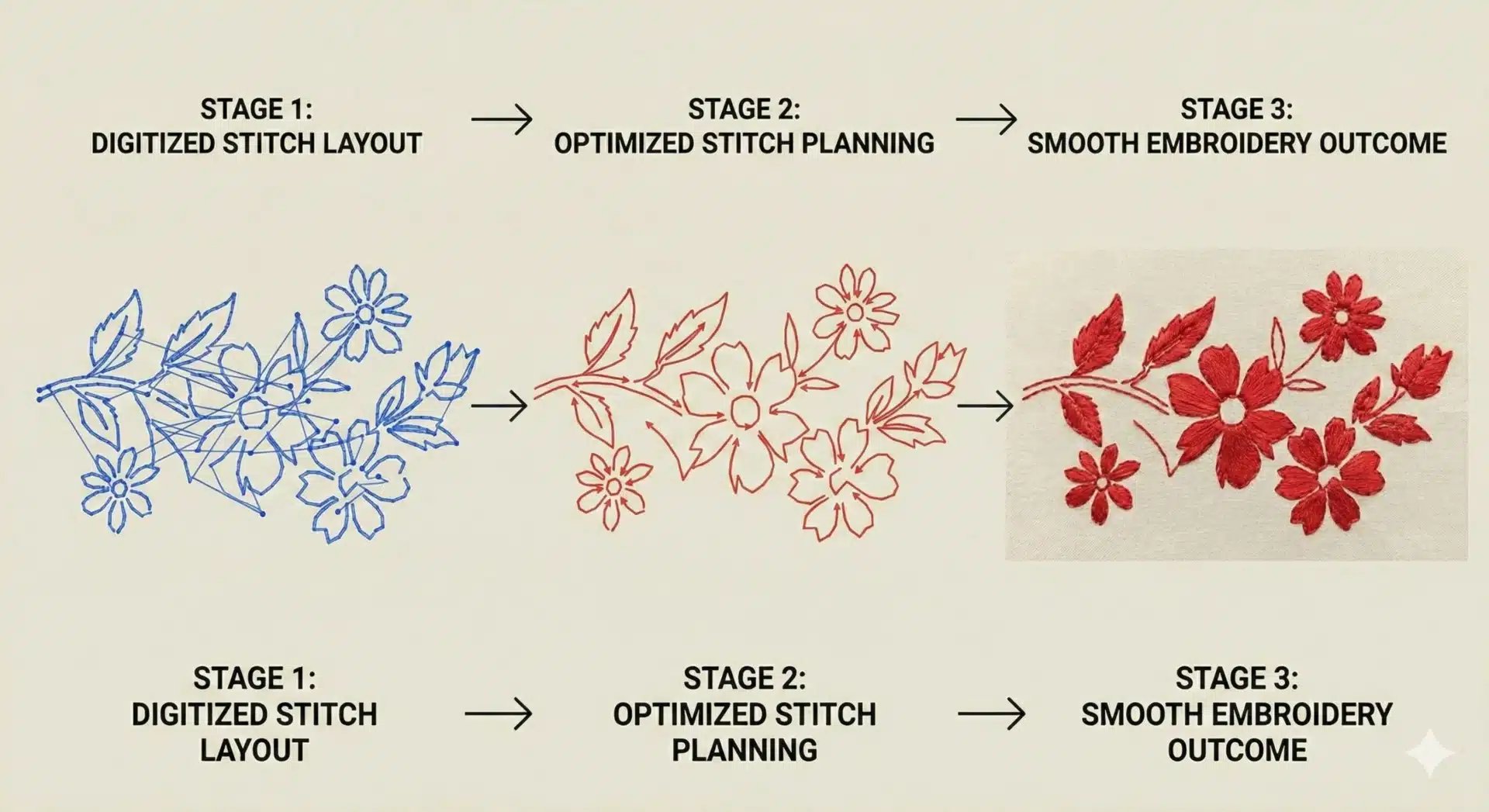
Each stitch in a digitized design determines how the embroidery machine moves. When stitch paths are poorly planned, the machine must perform unnecessary jumps, trims, and directional changes. This interrupts the embroidery flow and forces the machine to stop or slow down frequently.
Efficient stitch planning allows the machine to move smoothly across the design with minimal interruptions. This improves production speed and reduces wear on machine components over time.
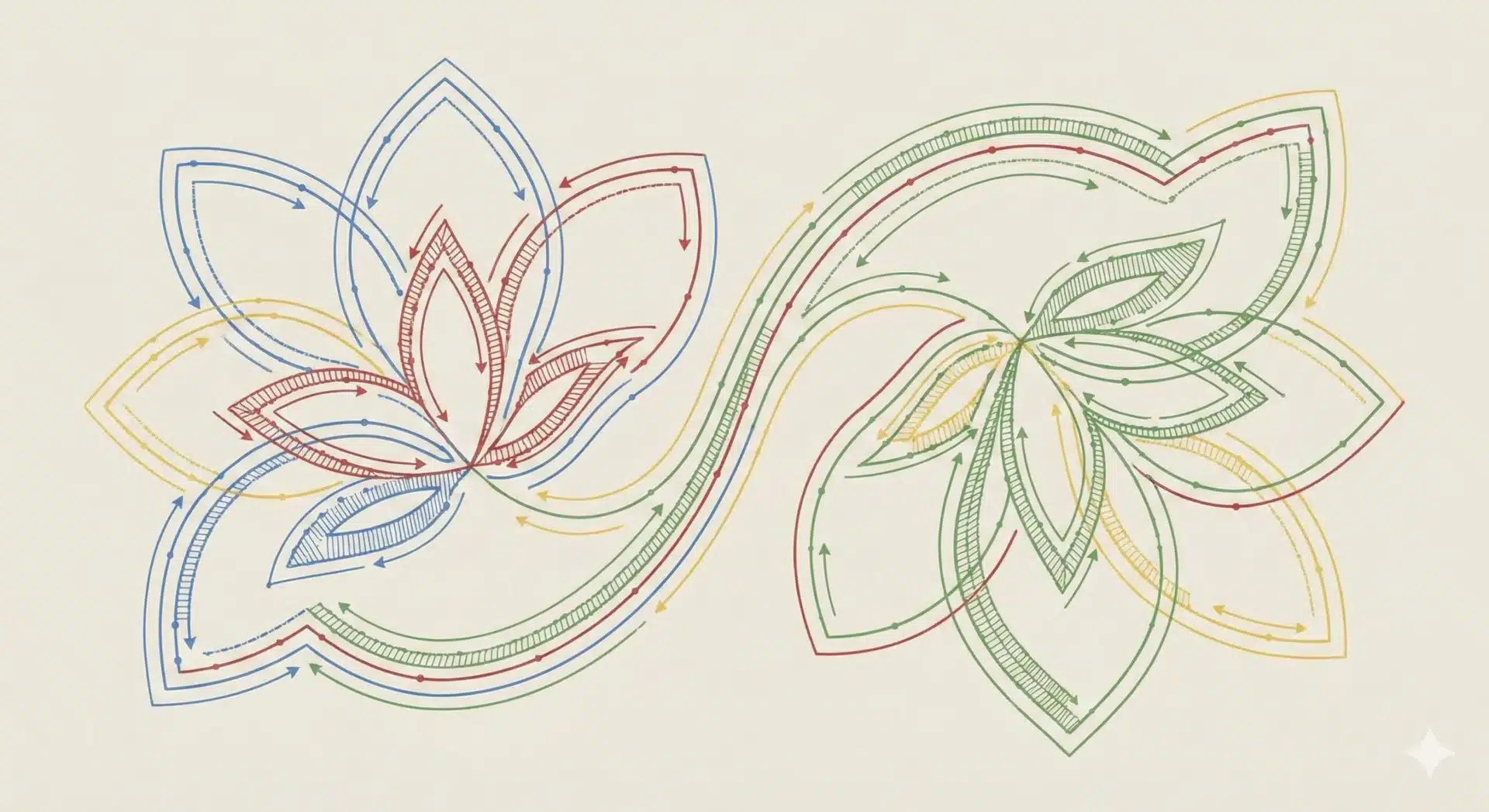
Excessive Trims and Jump Stitches Slow Production
When digitizing does not consider stitch sequencing, machines may perform multiple thread trims and jump stitches between sections of the design. These extra movements add seconds to each embroidery cycle, which accumulate significantly during bulk production.
Reducing unnecessary trims through proper sequencing helps maintain steady machine speed and improves overall efficiency.
The Impact of Stitch Density on Machine Speed
Density influences how quickly a design can be stitched.
High Density Increases Stitch Resistance
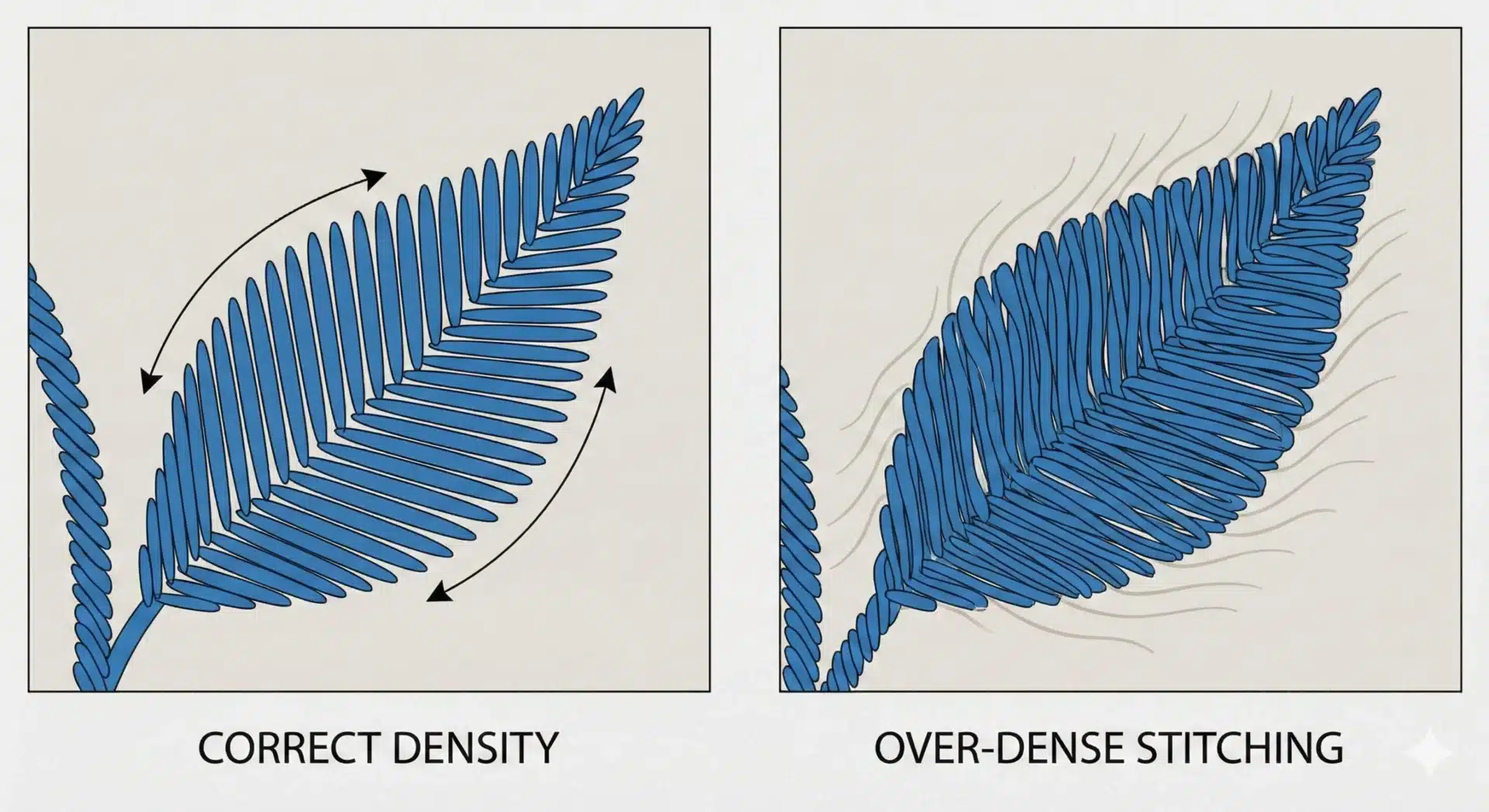
Overly dense designs create resistance as the needle penetrates the fabric repeatedly. This increases thread tension and may force the machine to slow down to maintain stability.
Proper density allows stitches to run smoothly without placing excess stress on the machine.
Balanced Density Improves Stitch Flow
Balanced stitch density ensures that embroidery machines can maintain consistent speed without frequent slowdowns. It also helps reduce thread breaks and improves production reliability across multiple garments.
How Poor Digitizing Causes Machine Downtime ?
Downtime reduces productivity and increases cost.
Thread Breaks Interrupt Production
Improper stitch angles and density often cause thread breaks during embroidery. Each break forces operators to stop the machine and restart the stitching process.
Frequent interruptions slow down production timelines and reduce efficiency.
Fabric Distortion Leads to Rework
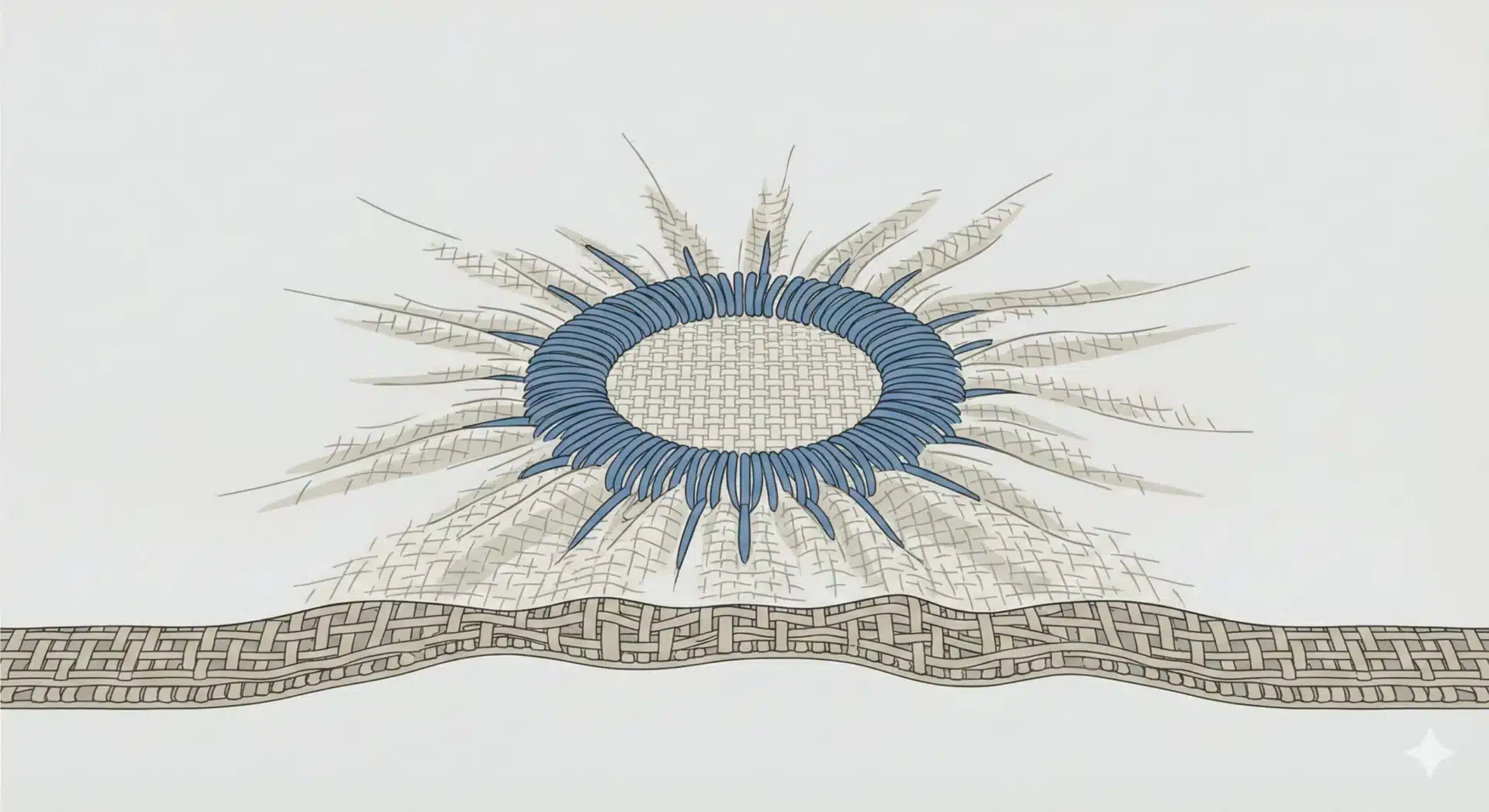
Incorrect digitizing may cause puckering or distortion, requiring the design to be stopped and adjusted mid-production. This delays workflow and wastes material.
How Proper Sequencing Improves Efficiency ?
Sequencing determines embroidery workflow.
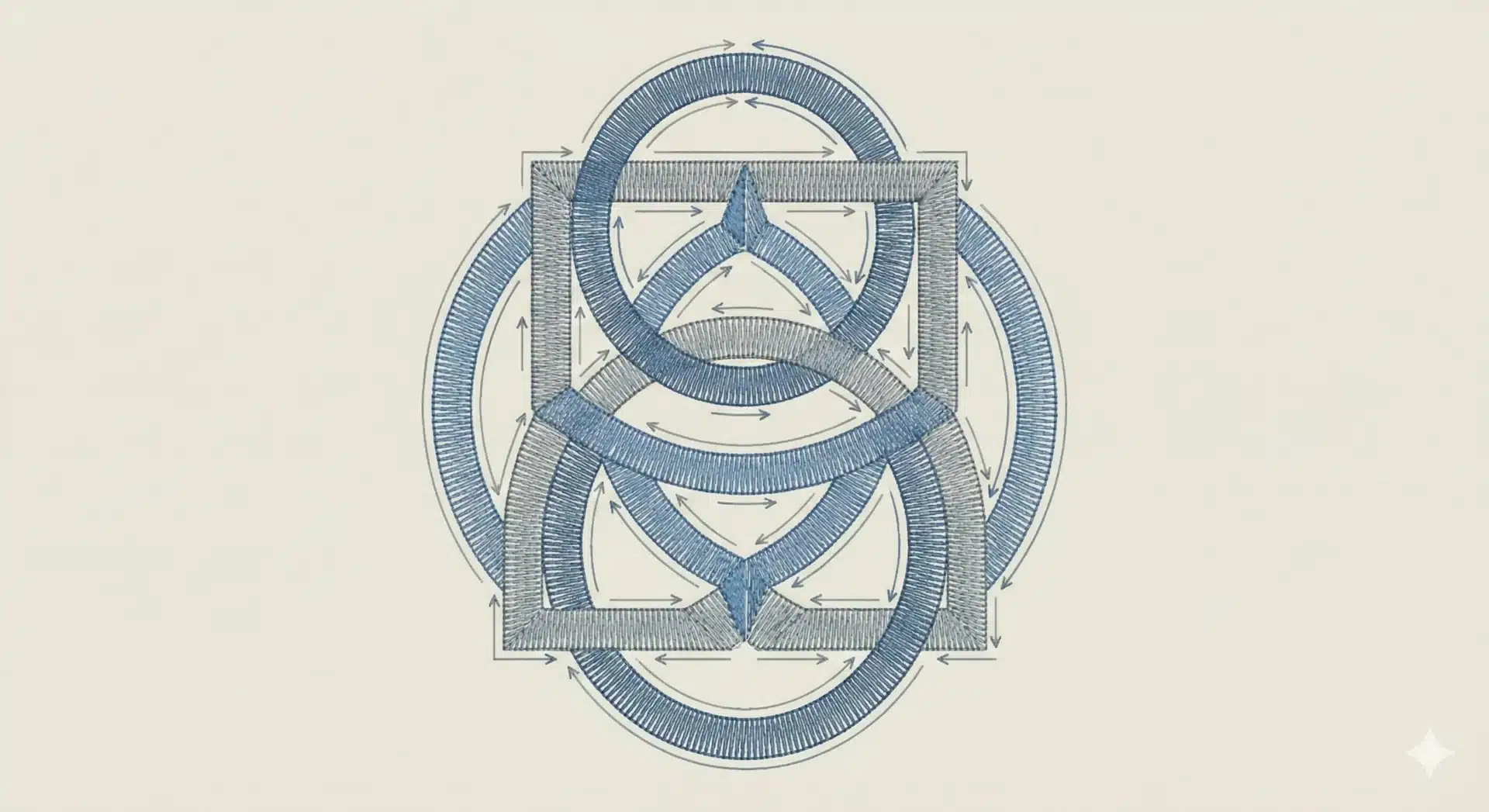
Logical Stitch Order Reduces Machine Stops
Proper sequencing ensures that stitches are applied in an order that minimizes thread changes and trims. This helps the machine operate continuously without unnecessary interruptions.
Logical stitch order improves production consistency.
Smooth Stitch Direction Maintains Speed
Consistent stitch direction allows the machine to operate at steady speed without abrupt changes in movement.
Why Manual Digitizing Supports Faster Production ?
Manual digitizing improves stitch engineering.
Human Planning Reduces Machine Load
Manual digitizers adjust stitch paths to reduce tension and unnecessary movement. This allows embroidery machines to function efficiently.
Automated files may not consider machine limitations.
Production-Focused File Optimization
Manual digitizing focuses on how designs perform in real production environments rather than just visual appearance.
How EmbroiPlanet Improves Production Efficiency ?
EmbroiPlanet prioritizes performance-focused digitizing.
Optimized Stitch Engineering
Designs are digitized to reduce trims, thread breaks, and downtime.
Files Designed for Stable Machine Operation
Files are created for consistent performance across machines.
Contact Methods
You can contact EmbroiPlanet via:
You can contact EmbroiPlanet through:
Email – [email protected]
Instagram Direct Message – https://www.instagram.com/embroiplanet
Final Thoughts on Digitizing and Machine Speed
Embroidery digitizing significantly affects machine speed and production efficiency. Poor digitizing can slow machines and cause repeated interruptions, while professional manual digitizing supports smooth and reliable operation.
EmbroiPlanet provides digitizing services designed to improve machine performance and production timelines.

Why Using the Same Digitized File for Different Garments Can Cause Embroidery Issues ?

What File Formats Are Required for Embroidery Digitizing?
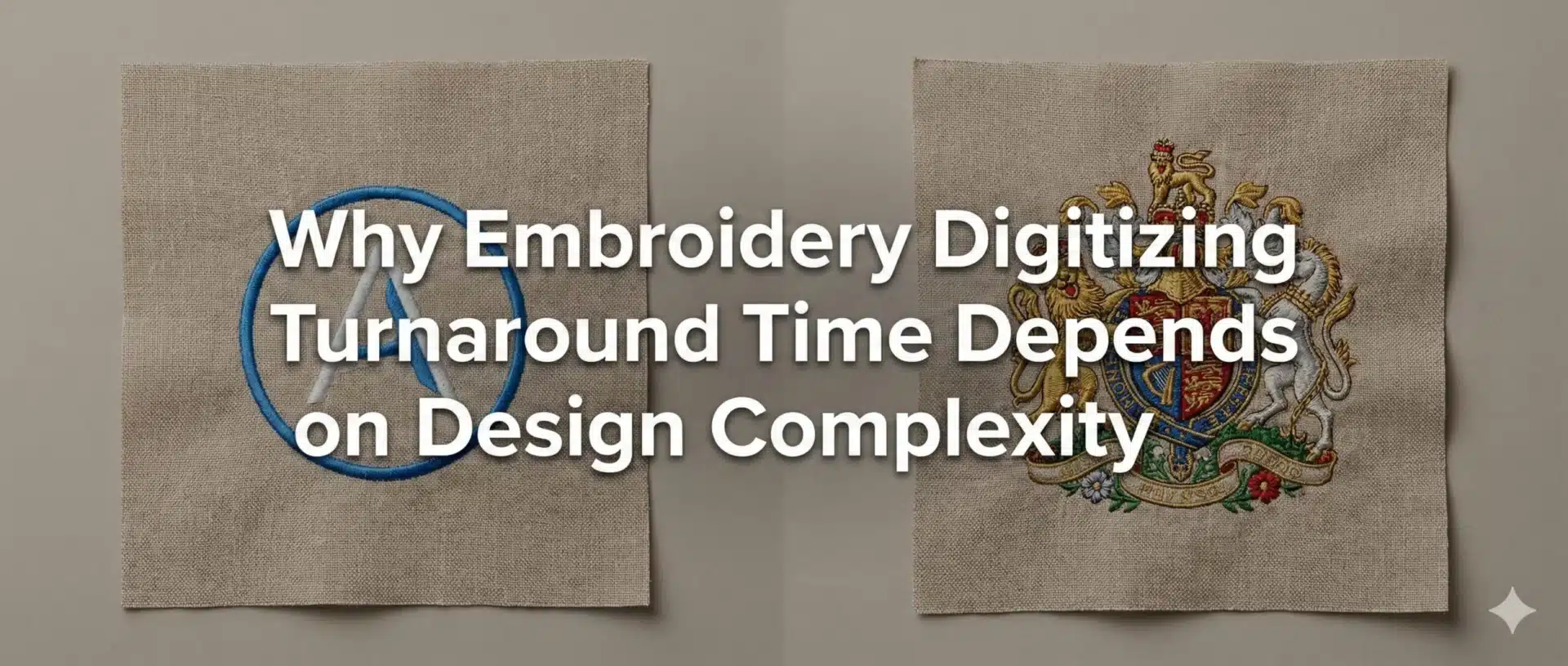
Why Embroidery Digitizing Turnaround Time Depends on Design Complexity ?