

























Embroidery Digitizing Turnaround Time, Revisions, and What Clients Should Expect
When working with embroidery digitizing services, clients often have questions about turnaround time, revisions, and delivery expectations. Unclear timelines and revision policies can lead to misunderstandings, production delays, and frustration—especially for international clients working across time zones.
At EmbroiPlanet, we focus exclusively on embroidery digitizing and follow a structured workflow designed to deliver accurate, production-ready files with reliable turnaround times. This article explains what clients should realistically expect from professional embroidery digitizing services, including timelines, revisions, and communication practices.
What Is Turnaround Time in Embroidery Digitizing ?
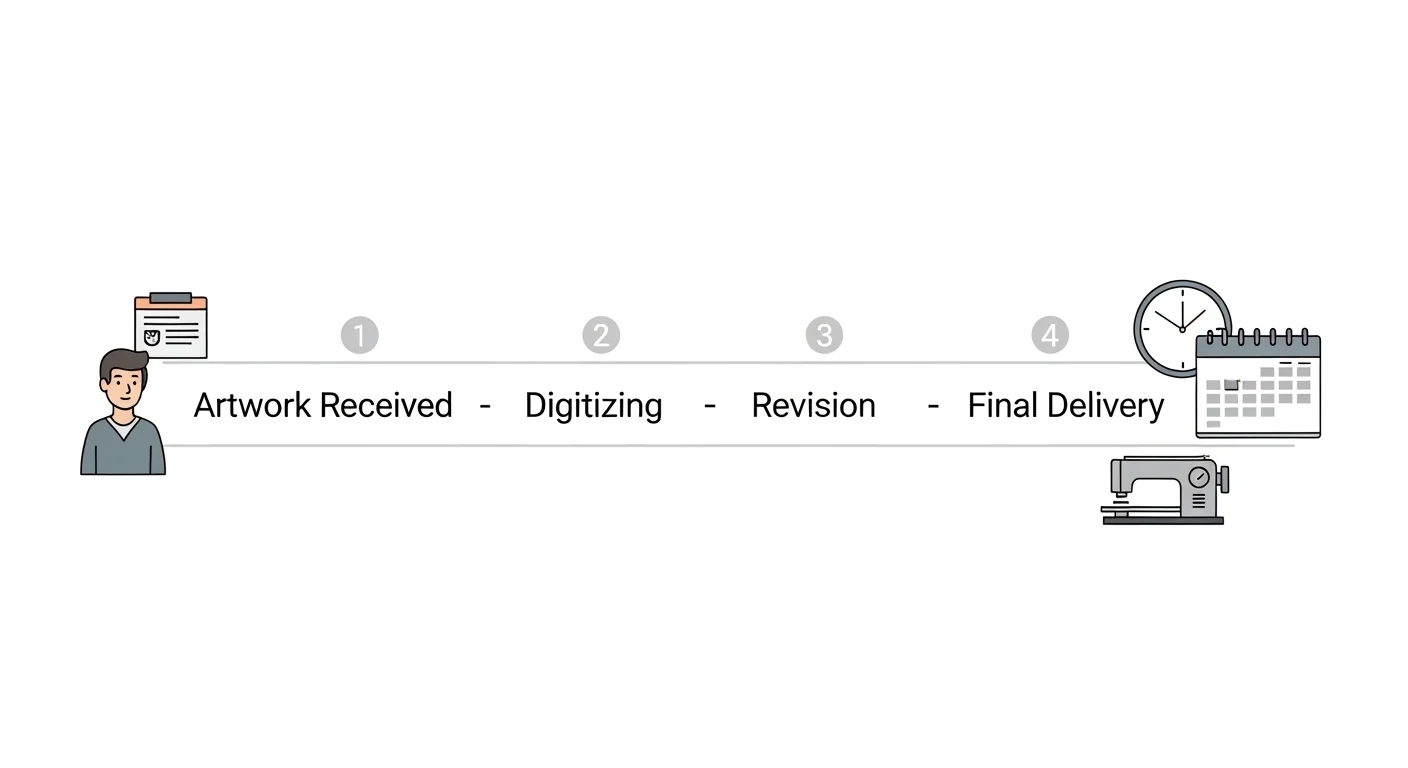
Turnaround time refers to the total time taken from receiving artwork to delivering a completed digitized embroidery file.
What Turnaround Time Actually Includes ?
Turnaround time is not just the digitizing process itself. It includes artwork review, stitch planning, digitizing, internal quality checks, and file preparation in the required format. Each of these steps is necessary to ensure the file performs well during embroidery production.
Why Turnaround Time Varies Between Designs ?
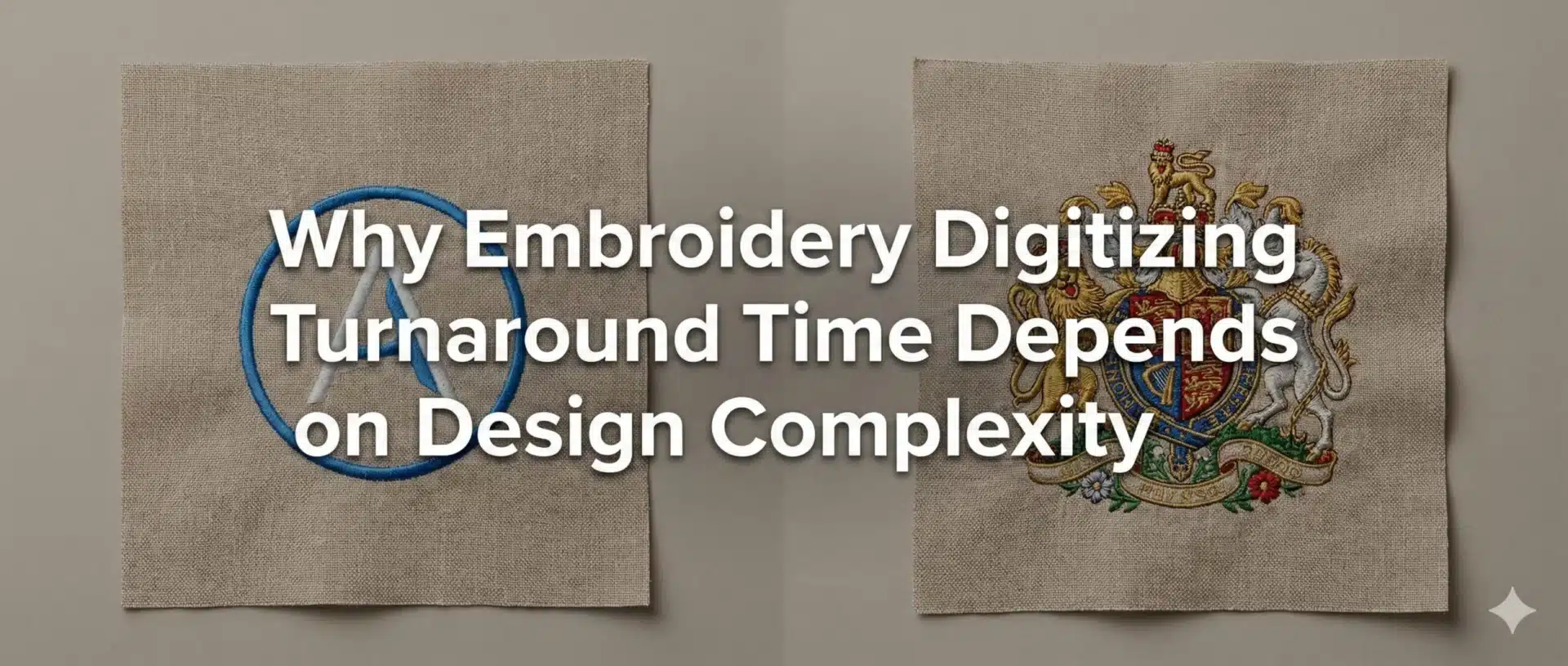
Simple logos with clean shapes require less time than complex designs with fine details, multiple layers, or small text. Fabric considerations and requested file formats may also affect delivery time.
Professional digitizing prioritizes accuracy over speed to prevent production issues later.
Typical Turnaround Time for Professional Digitizing
Understanding realistic timelines helps clients plan production schedules effectively.
Standard Digitizing Turnaround
Most standard embroidery digitizing projects are completed within 12–24 hours, depending on complexity and clarity of artwork provided.
This timeframe allows sufficient time for proper stitch planning and quality verification.
Complex or Highly Detailed Designs
Designs with intricate details, overlapping elements, or very small text may require additional time to ensure stitch stability and clarity.
Rushing complex designs often leads to production errors, which is why additional processing time is sometimes necessary.
Factors That Affect Digitizing Turnaround Time
Several variables influence how quickly a digitized file can be completed.
Artwork Quality and File Type
Vector artwork or high-resolution images allow faster and more accurate digitizing. Low-resolution or unclear artwork often requires manual cleanup, increasing processing time.
Design Size and Stitch Count
Larger designs with higher stitch counts require more planning and verification to prevent density-related issues and machine stress.
Requested File Formats
Providing multiple file formats or machine-specific variations may slightly increase delivery time but ensures compatibility across production environments.
Understanding Revisions in Embroidery Digitizing
Revisions are a normal part of the digitizing process and help fine-tune performance.
Why Revisions May Be Required ?
Revisions are commonly requested after test stitching, where minor adjustments may be needed to improve clarity, density, or stitch direction.
These changes help optimize the file for real-world production conditions.
Difference Between Revisions and Redigitizing
Revisions involve adjusting an existing digitized file, while redigitizing involves rebuilding the design from scratch. Major artwork changes or size alterations may require redigitizing.
Understanding this distinction helps set realistic expectations.
Common Revision Requests From Clients
Most revisions focus on improving embroidery performance rather than visual design.
Density and Coverage Adjustments
Clients may request density changes to improve fabric flexibility or coverage based on test results.
Text and Small Detail Enhancements
Minor text clarity improvements or spacing adjustments are common, especially for small lettering.
Stitch Direction and Texture Refinement
Adjusting stitch direction can improve surface texture and overall visual balance.
How Professional Digitizing Reduces Excessive Revisions ?
High-quality digitizing minimizes the need for repeated revisions.
Proper Stitch Planning From the Start
Professional digitizers plan stitch paths, underlay, and density carefully before execution, reducing post-delivery issues.
Artwork Review Before Digitizing
Reviewing artwork for embroidery feasibility prevents unrealistic expectations and unnecessary corrections later.
What Clients Should Provide for Faster Delivery ?
Clear information helps speed up the digitizing process and improves accuracy.
Essential Information to Share
Clients should provide:
- Clean artwork (AI, EPS, SVG, PNG, or JPG)
- Final embroidery size
- Required file format (DST, PES, EXP, etc.)
- Fabric type if known
Reference Images and Notes
Providing reference photos or notes about previous issues helps digitizers tailor stitch structures more effectively.
Communication and Delivery Expectations
Clear communication plays a major role in successful digitizing projects.
Clear and Concise Feedback
Specific feedback such as “reduce density” or “improve text clarity” is more effective than vague comments.
Digital File Delivery
Digitized files are delivered electronically, allowing instant access for production without shipping delays.
How EmbroiPlanet Manages Turnaround and Revisions ?
EmbroiPlanet follows a structured workflow to balance speed and quality.
Quality-First Digitizing Approach
Each design is digitized with production performance in mind, reducing errors during stitching.
Efficient Revision Handling
Revisions are handled systematically to ensure quick turnaround without compromising file quality.
Global Client Support
Our workflow supports international clients across different time zones with consistent communication and reliable delivery.
Setting Realistic Expectations for Digitizing Services
Understanding the digitizing process helps clients plan better and avoid unnecessary stress.
Digitizing Is a Technical Process
It involves engineering stitches, not just converting images. Time invested upfront saves production issues later.
Quality Saves Time in Production
Well-digitized files reduce machine downtime, fabric waste, and rework costs.
Contact Methods –
You can contact EmbroiPlanet through:
Email – [email protected]
Instagram Direct Message – https://www.instagram.com/embroiplanet
Final Thoughts on Turnaround Time and Revisions
Embroidery digitizing turnaround time and revision policies play a crucial role in production success. Speed is important, but accuracy and stitch stability matter more in the long run.
By working with professional digitizing services like EmbroiPlanet, clients benefit from reliable timelines, structured revisions, and production-ready embroidery files designed for consistent results across global embroidery environments.
About Embroiplanet

Latest Posts

Why Using the Same Digitized File for Different Garments Can Cause Embroidery Issues ?

What File Formats Are Required for Embroidery Digitizing?