






























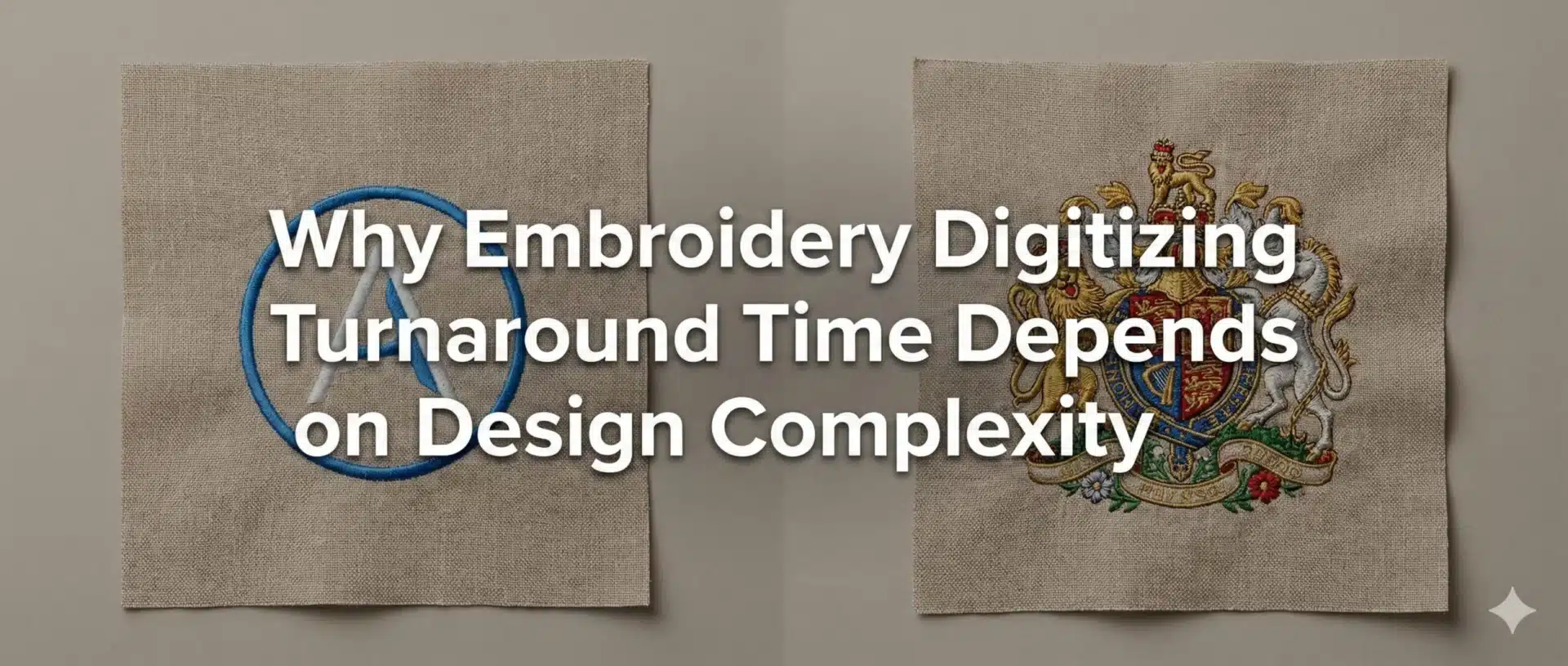
Turnaround time is one of the most important factors clients consider when ordering embroidery digitizing services. However, not all designs can be digitized within the same timeframe. The time required to digitize a logo or artwork depends on several technical factors, including design complexity, stitch type, and detailing.
For embroidery businesses and clothing brands, understanding how design complexity affects digitizing turnaround time helps set realistic expectations and prevents production delays. This blog explains why turnaround time varies and how complexity influences digitizing workflow.
What Determines Digitizing Turnaround Time ?
Digitizing time depends on technical requirements.
Design Size and Detail Level
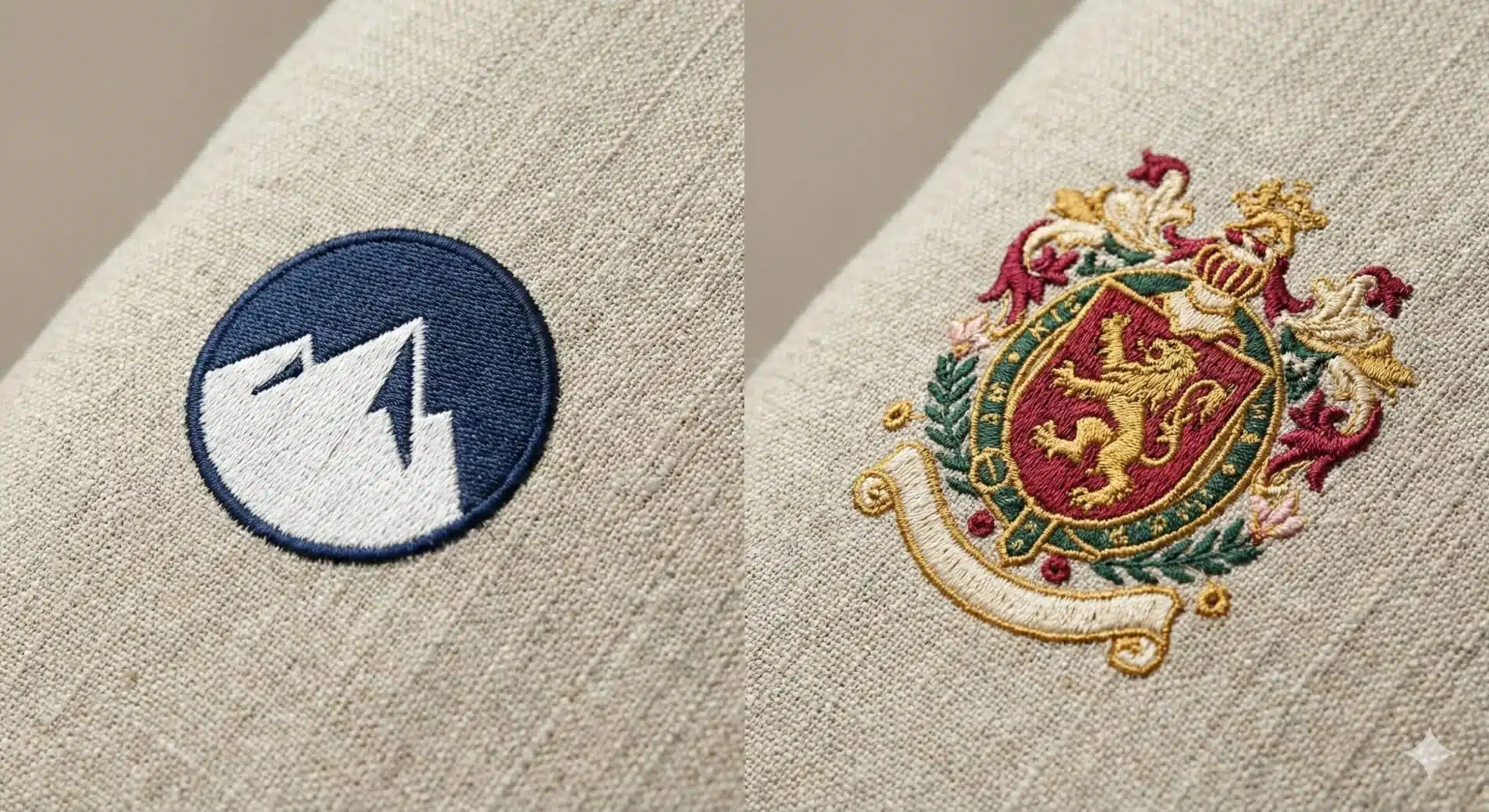
Large designs with multiple elements or fine details require more time to digitize than simple logos. Intricate text, gradients, and layered shapes demand careful stitch planning to maintain clarity during embroidery.
More detailed designs increase the time required for accurate digitizing.
Number of Colors and Stitch Types
Designs that include multiple colors or stitch types such as satin, fill, or running stitches require additional planning. Each stitch type must be digitized separately to ensure proper sequencing and coverage.
This adds to the digitizing time.
Why Complex Designs Require More Planning ?
Complexity increases digitizing effort.
Stitch Direction and Density Adjustments
Intricate designs require adjustments in stitch direction and density to maintain visual clarity. Without proper planning, complex embroidery may result in distortion or thread breaks.
Manual digitizing ensures stability.
Underlay Planning for Detailed Elements
Small elements such as text or thin lines require carefully planned underlay to support top stitches.

Testing and Revisions Affect Turnaround Time
Testing improves production performance.
Test Runs Reveal Performance Issues
Testing helps identify issues such as density imbalance or sequencing problems.
Adjustments Improve Stability
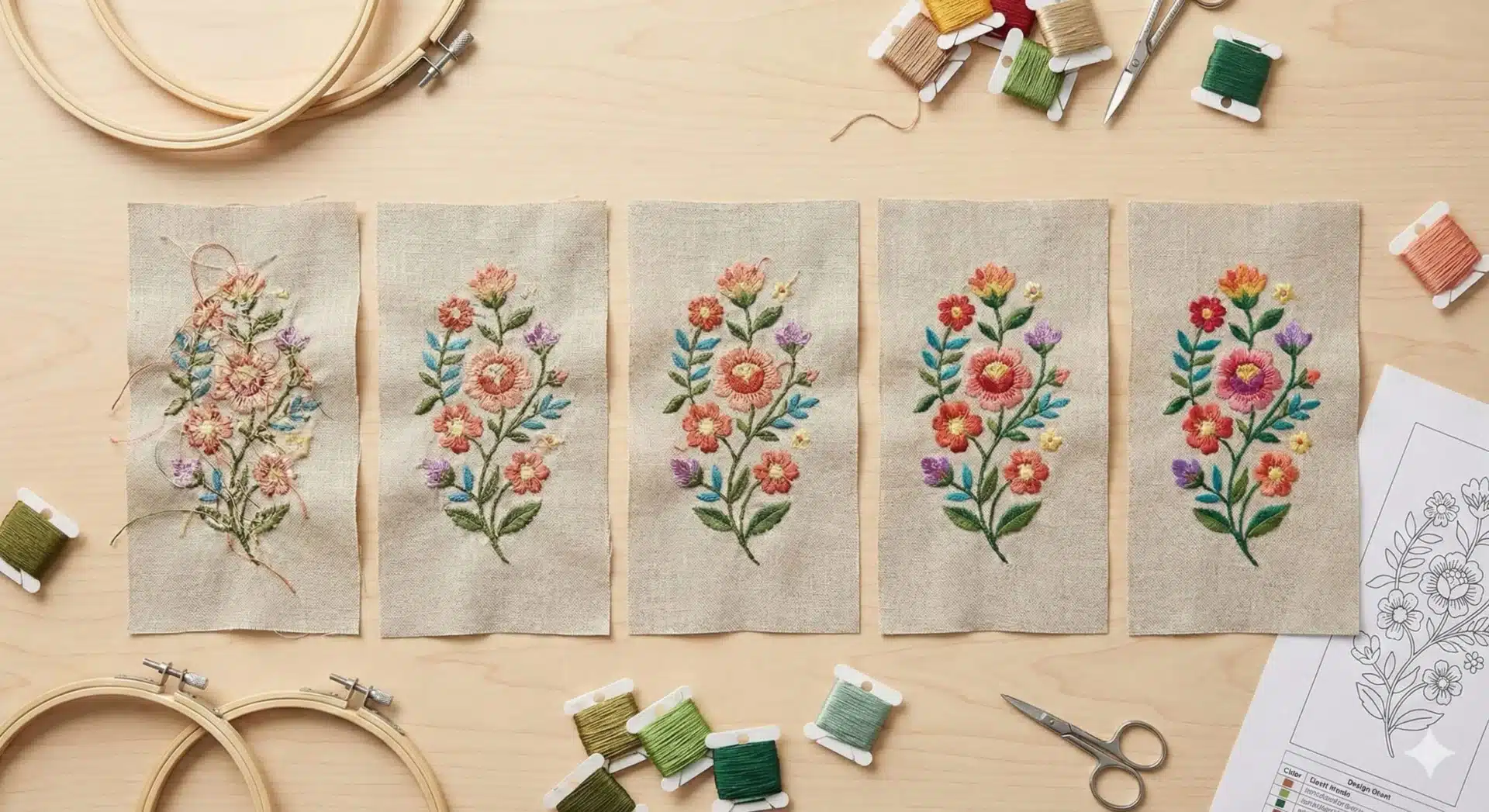
Revisions based on testing improve embroidery performance.
Why Manual Digitizing Takes Time ?
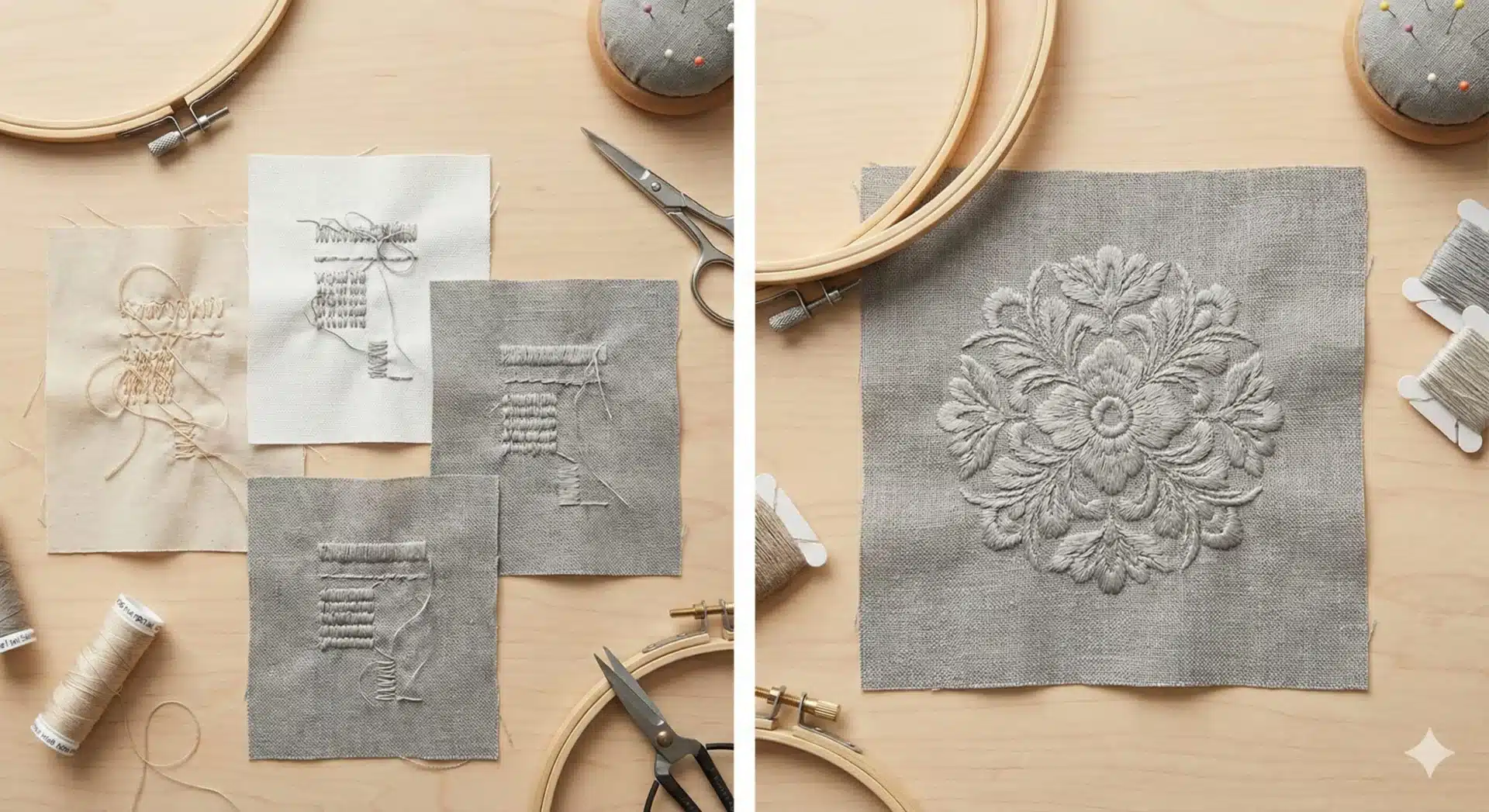
Manual digitizing is not automated.
Human Stitch Engineering
Each stitch is planned manually based on design requirements.
Production-Focused File Preparation
Digitizers optimize files for machine performance.

Benefits of Realistic Turnaround Expectations
Understanding complexity improves workflow.
Preventing Production Delays
Realistic timelines prevent last-minute issues.
Ensuring Embroidery Quality
Sufficient digitizing time improves quality.
How EmbroiPlanet Handles Complex Designs ?
EmbroiPlanet prioritizes quality.
Complexity-Based Workflow
Digitizing time is allocated based on design detail.
Consistent Production Performance
Files are created for stable stitching.
Contact Methods
You can contact EmbroiPlanet via:
You can contact EmbroiPlanet through:
Email – [email protected]
Instagram Direct Message – https://www.instagram.com/embroiplanet
Final Thoughts on Turnaround Time
Digitizing turnaround time depends on design complexity, stitch planning, and testing requirements. Simple designs can be processed quickly, while complex artwork requires additional time for proper planning.
EmbroiPlanet provides manual digitizing services designed to balance speed and quality.

Why Embroidery Digitizing Requires Different Settings for Caps vs Flat Garments ?
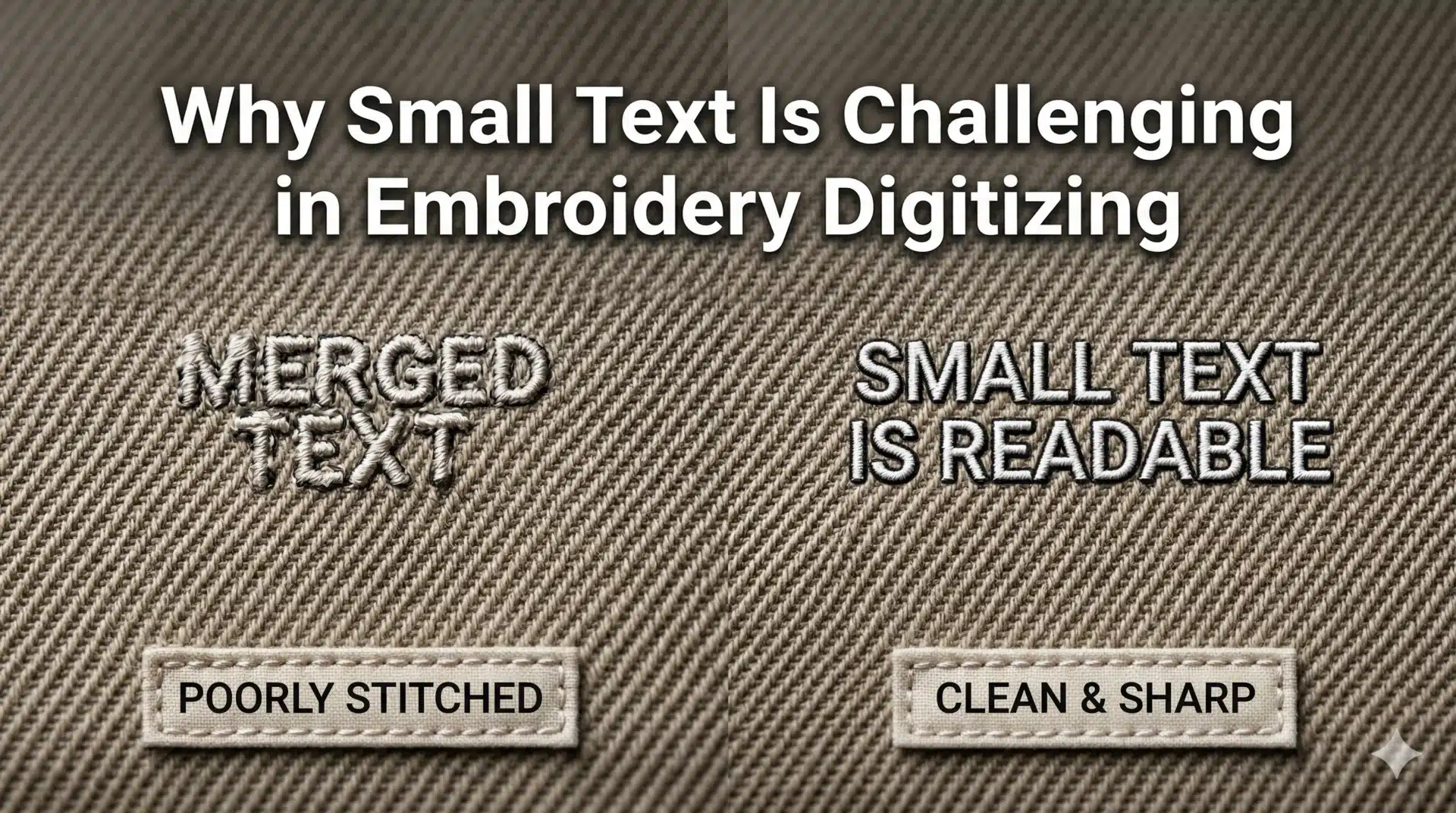
Why Small Text Is Challenging in Embroidery Digitizing ?
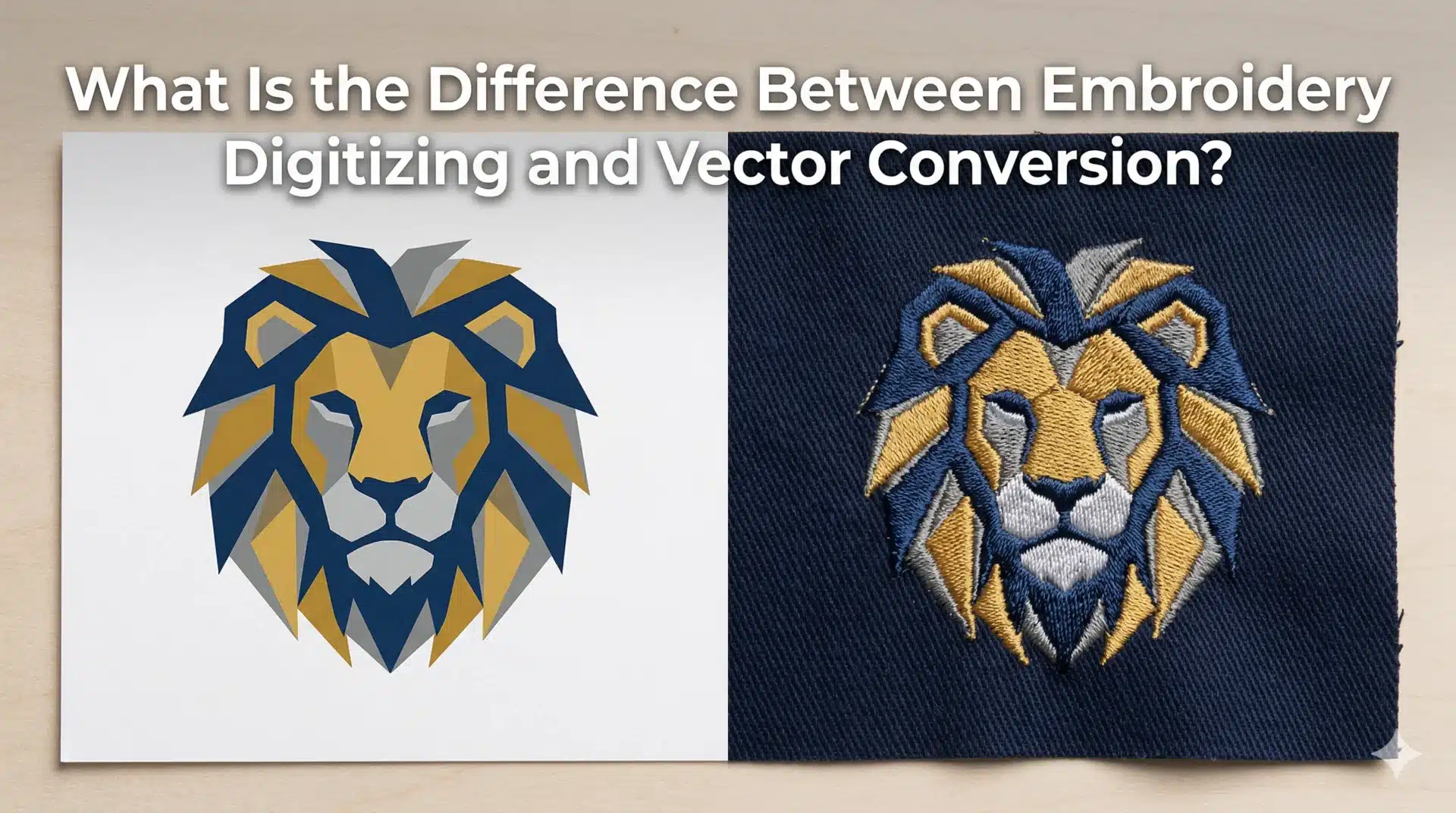
What Is the Difference Between Embroidery Digitizing and Vector Conversion ?