






























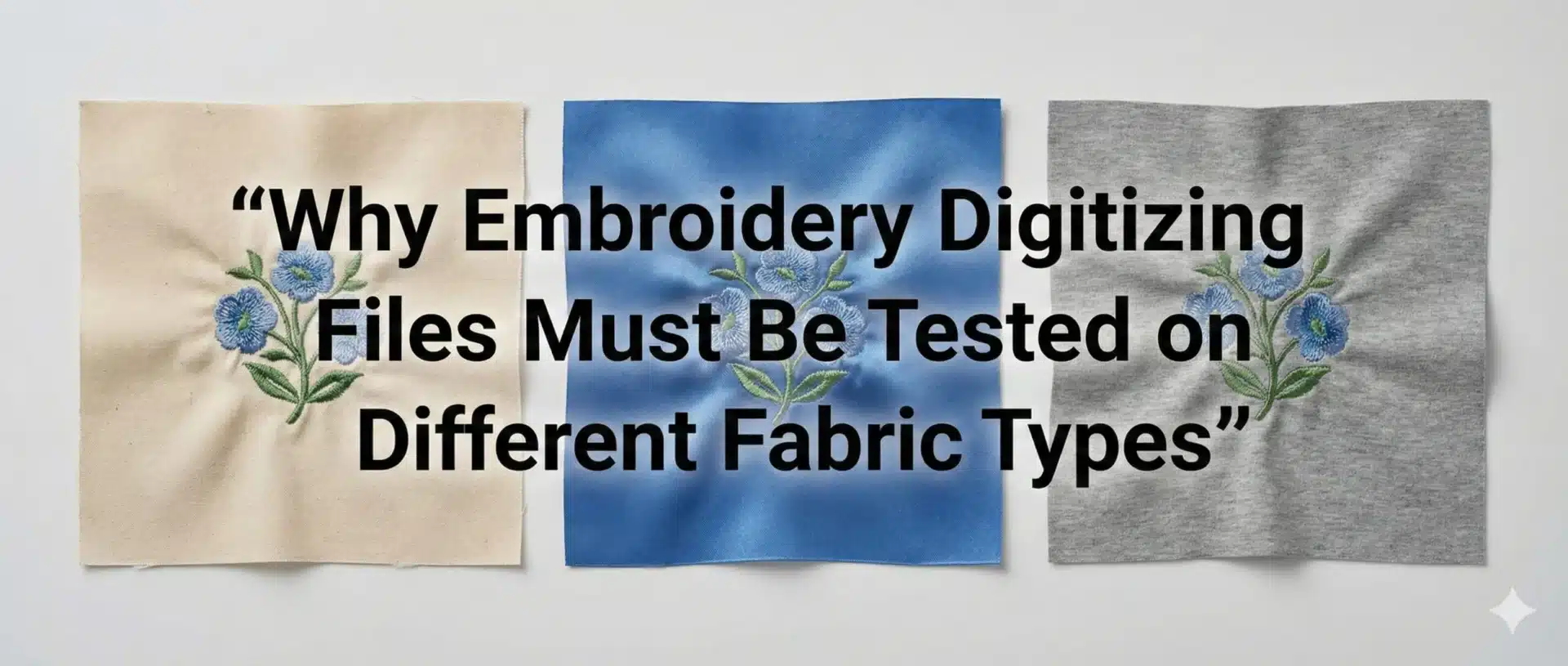
Embroidery digitizing is not a one-size-fits-all process. A design that runs smoothly on one type of fabric may produce distortion, thread breaks, or poor coverage when stitched on another material. This happens because different fabrics react differently to embroidery stitches.
For embroidery businesses and clothing brands, testing digitized files on the intended fabric type helps prevent production errors and ensures consistent embroidery quality. This blog explains why fabric-specific testing is necessary before full-scale embroidery production.
How Fabric Type Influences Embroidery Results ?
Fabric properties affect stitch performance.
Fabric Thickness and Stability
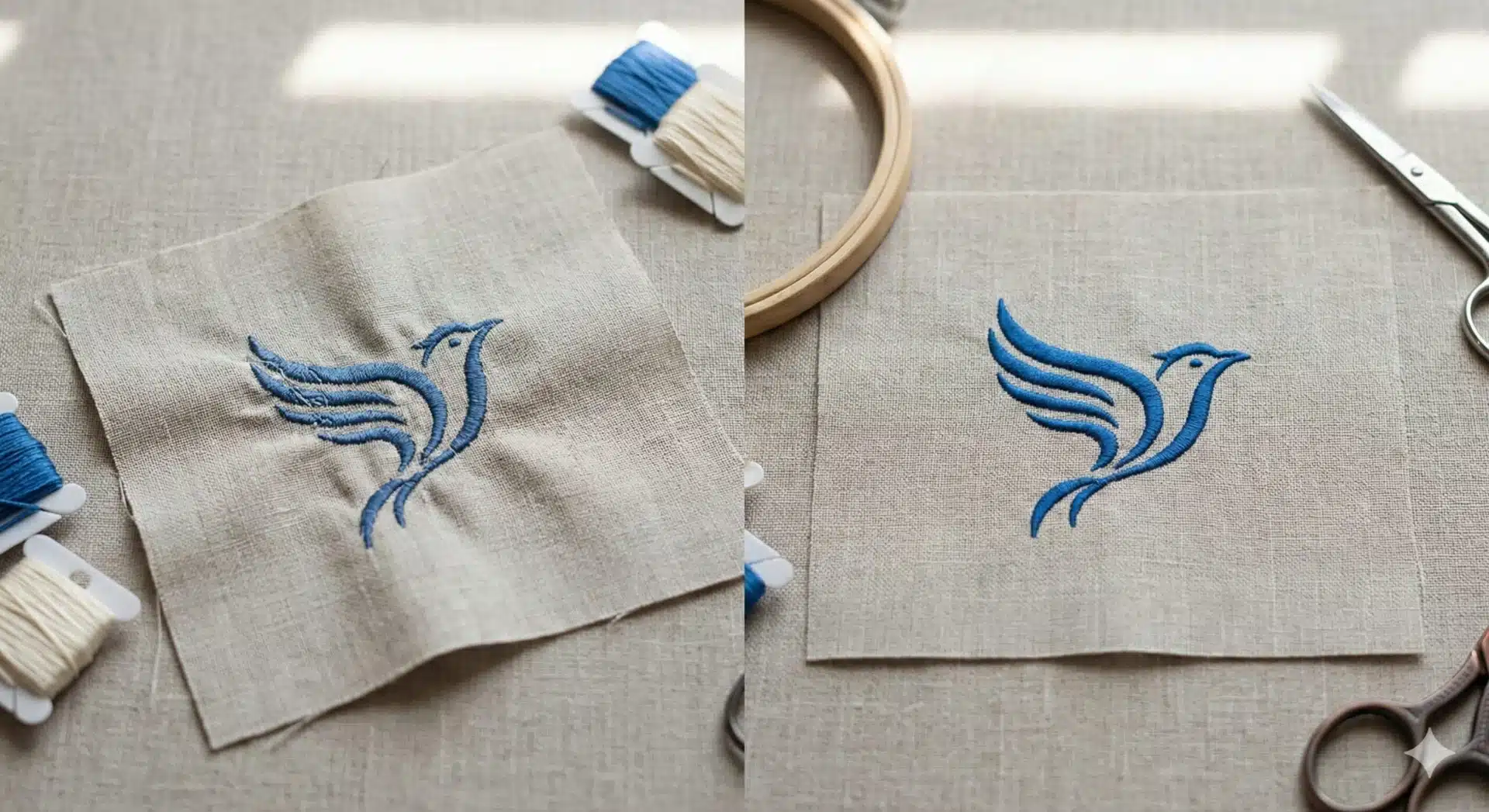
Thick fabrics such as fleece provide more support for stitches, while thin fabrics may require adjustments in density and underlay. Without proper testing, embroidery on thinner materials may result in distortion or puckering.
Testing helps confirm whether stitch settings match fabric characteristics.
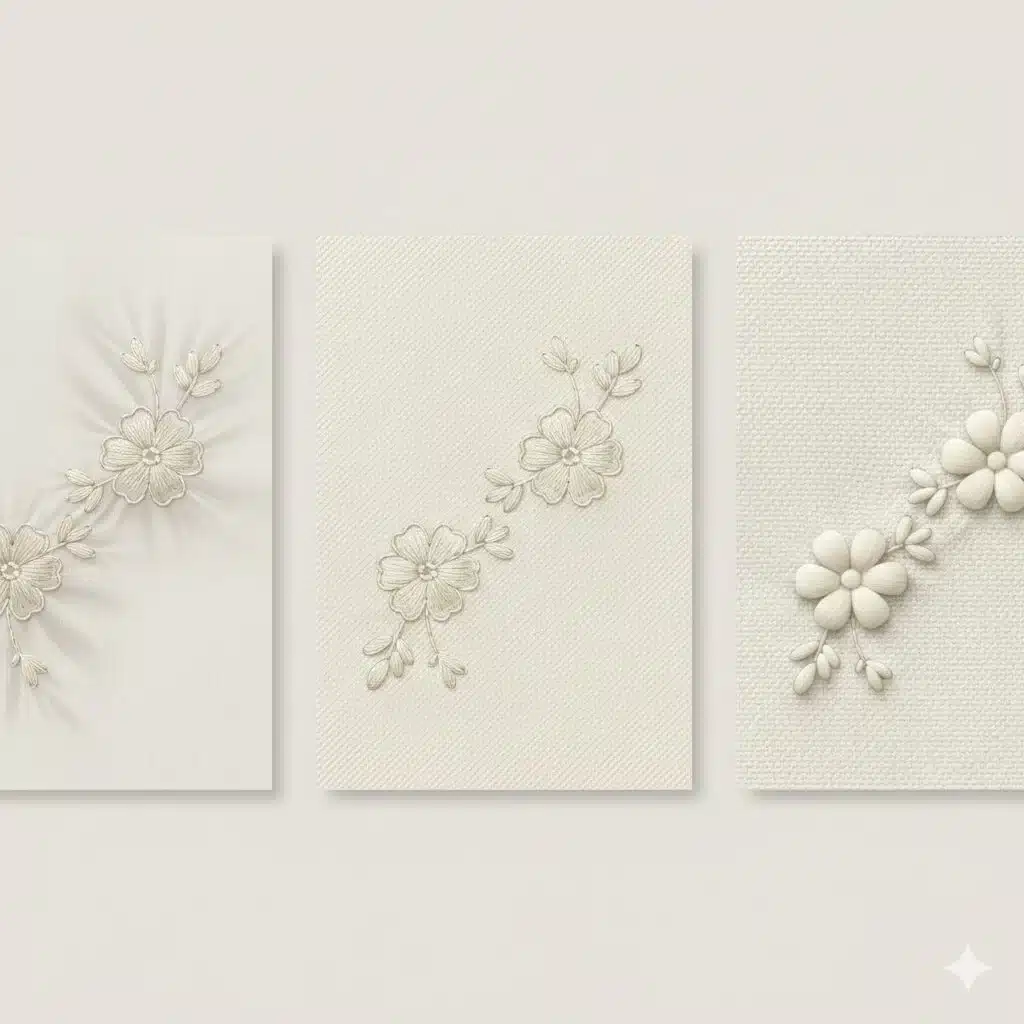
Stretch Fabrics Require Special Adjustments
Stretch fabrics such as polyester blends may move during stitching, causing shape distortion or misalignment. Digitizing must account for this movement through pull compensation and underlay planning.
Testing helps identify these issues before production begins.
Why the Same Design Behaves Differently on Various Fabrics ?
Embroidery reacts differently based on material.
Stitch Interaction with Fabric Surface
Embroidery stitches sit differently depending on fabric texture and weave. Rough surfaces may absorb stitches, while smooth fabrics may reflect light differently.
Testing helps ensure consistent visual results.
Thread Tension Changes with Fabric Type
Fabric resistance affects how thread tension behaves during embroidery. Incorrect tension may cause thread breaks or uneven stitching.
Common Issues Found During Fabric Testing
Testing reveals production risks.
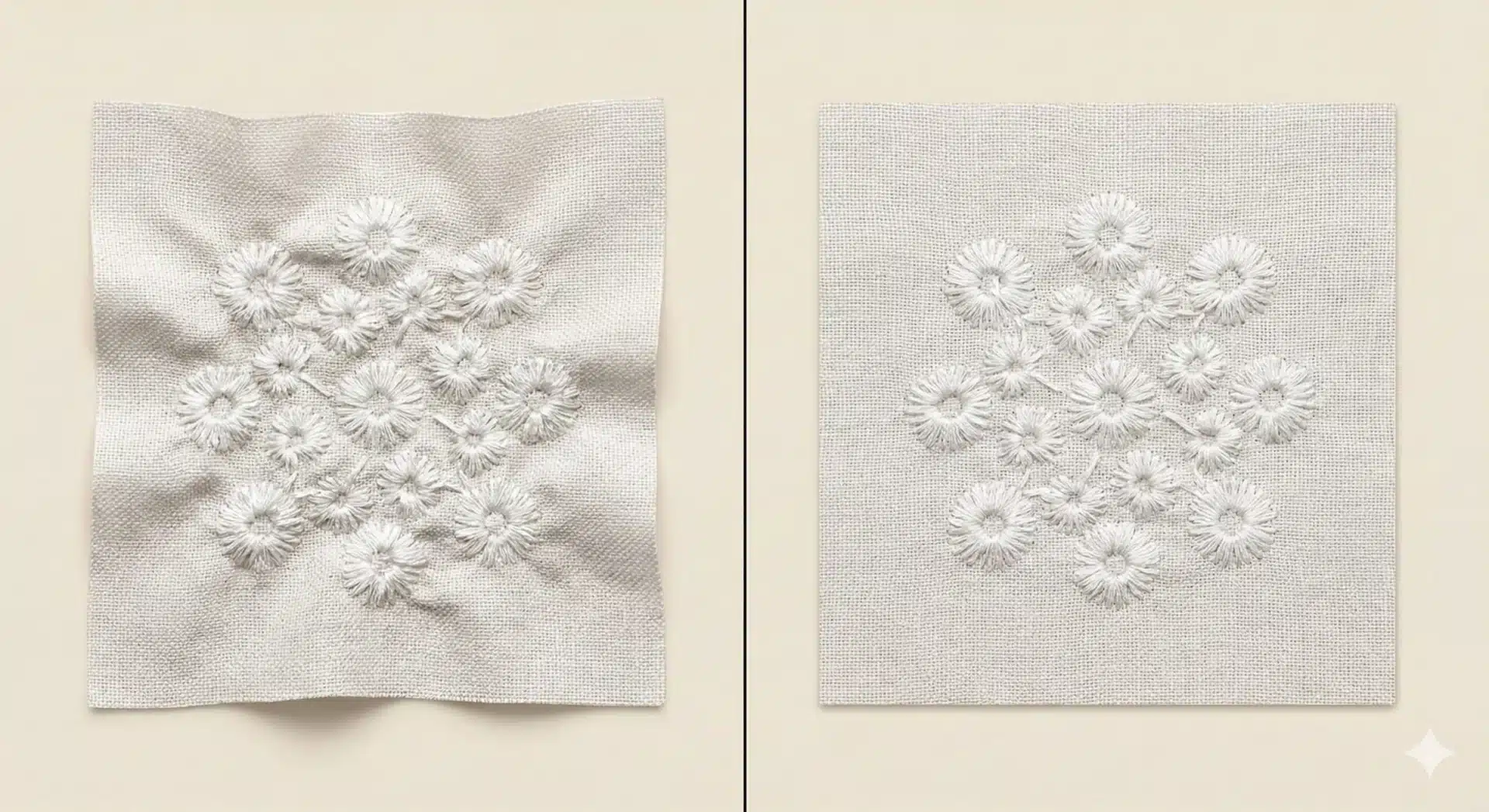
Fabric Puckering
Without testing, stitches may pull fabric inward, causing wrinkles around the embroidered area.
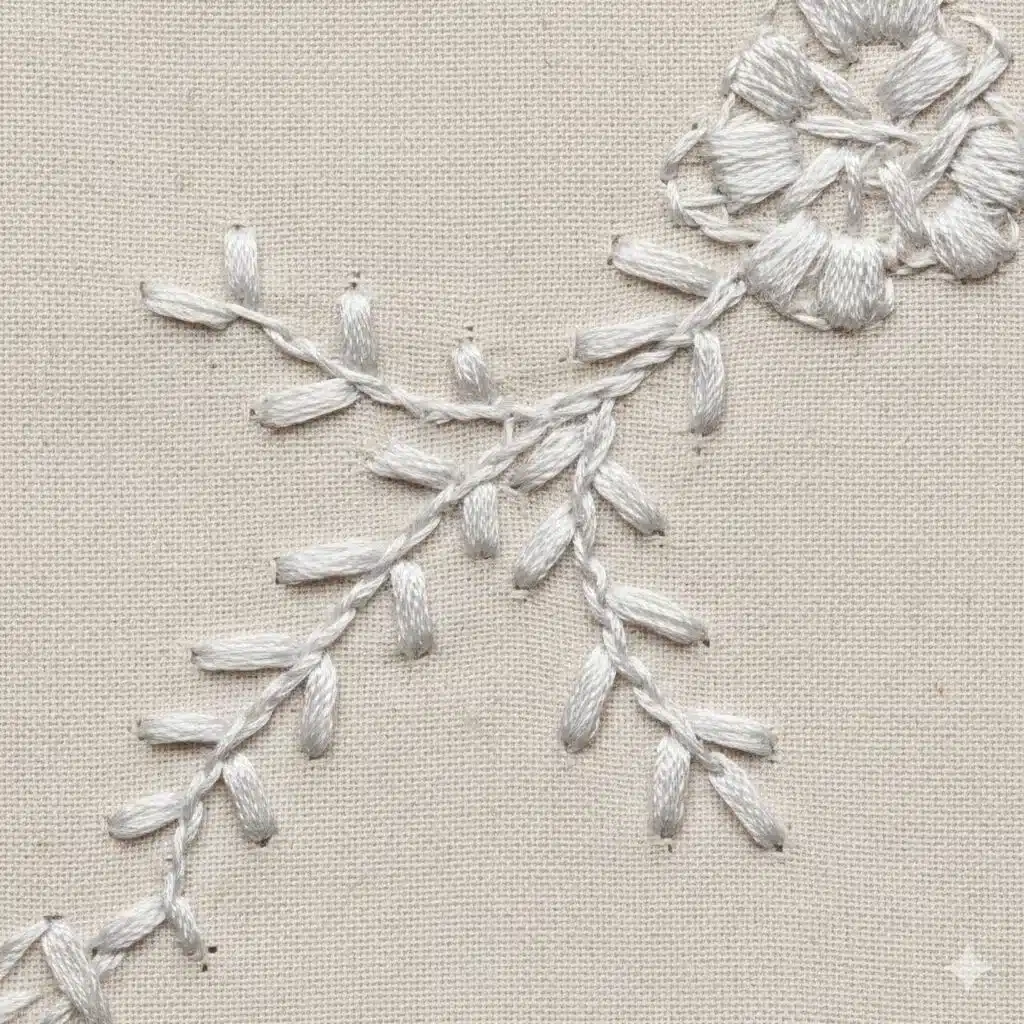
Sinking Stitches
Soft fabrics may allow stitches to sink below the surface if underlay is insufficient.
Benefits of Fabric-Specific Digitizing
Fabric-specific digitizing improves embroidery performance.
Improved Stability
Digitizing adjustments based on testing improve embroidery stability.
Reduced Revisions
Testing minimizes the need for redesign during production.
How EmbroiPlanet Ensures Fabric Compatibility ?
EmbroiPlanet prioritizes performance.
Manual Adjustments Based on Fabric
Digitizing settings are modified for intended materials.
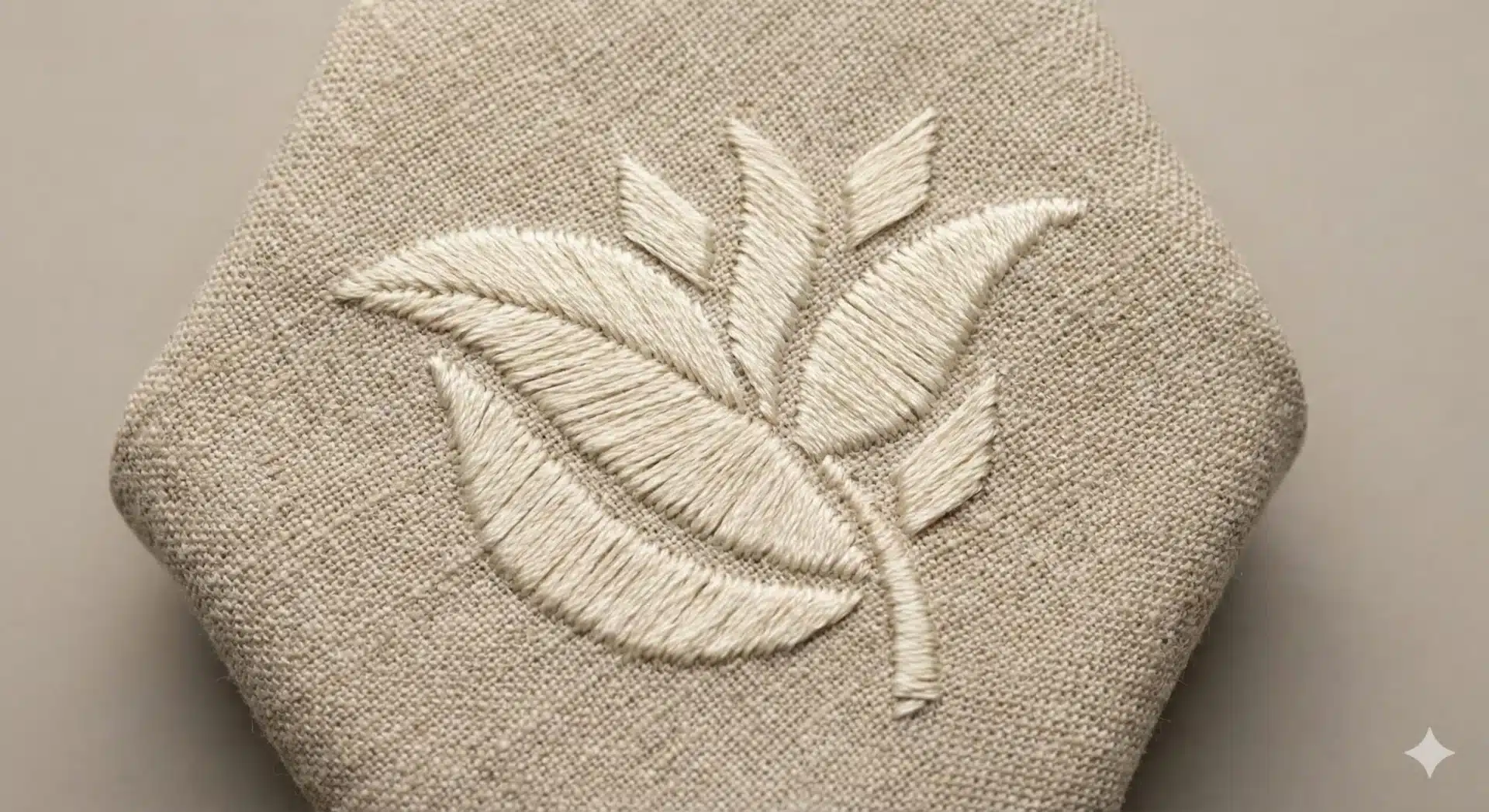
Production-Ready Files
Files are prepared to run smoothly.
Contact Methods
You can contact EmbroiPlanet via:
You can contact EmbroiPlanet through:
Email – [email protected]
Instagram Direct Message – https://www.instagram.com/embroiplanet
Final Thoughts on Fabric Testing
Testing digitized designs on the intended fabric helps prevent production issues and improves embroidery quality.
EmbroiPlanet provides digitizing services designed for fabric-specific performance.

Why Embroidery Digitizing Requires Different Settings for Caps vs Flat Garments ?
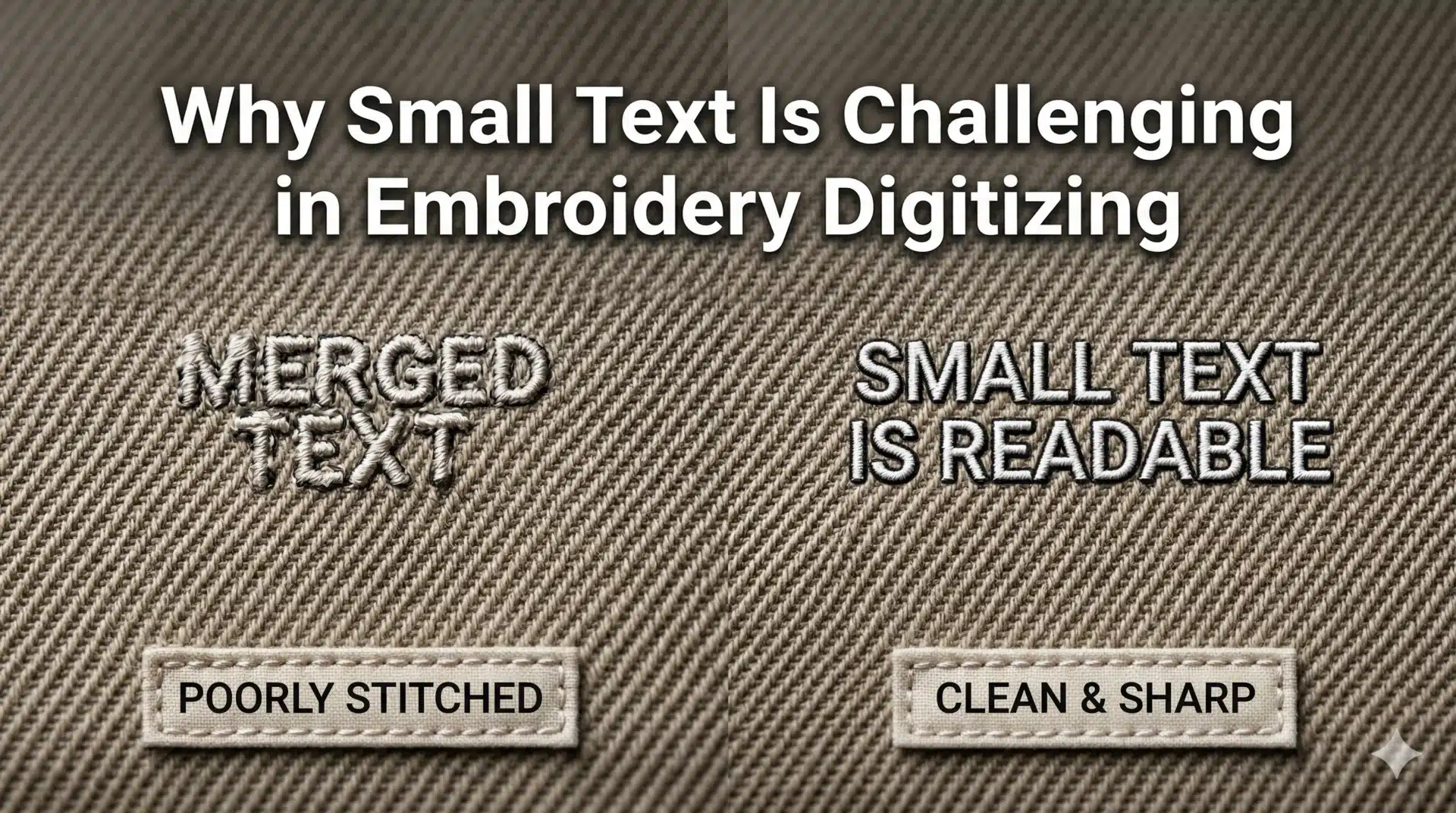
Why Small Text Is Challenging in Embroidery Digitizing ?
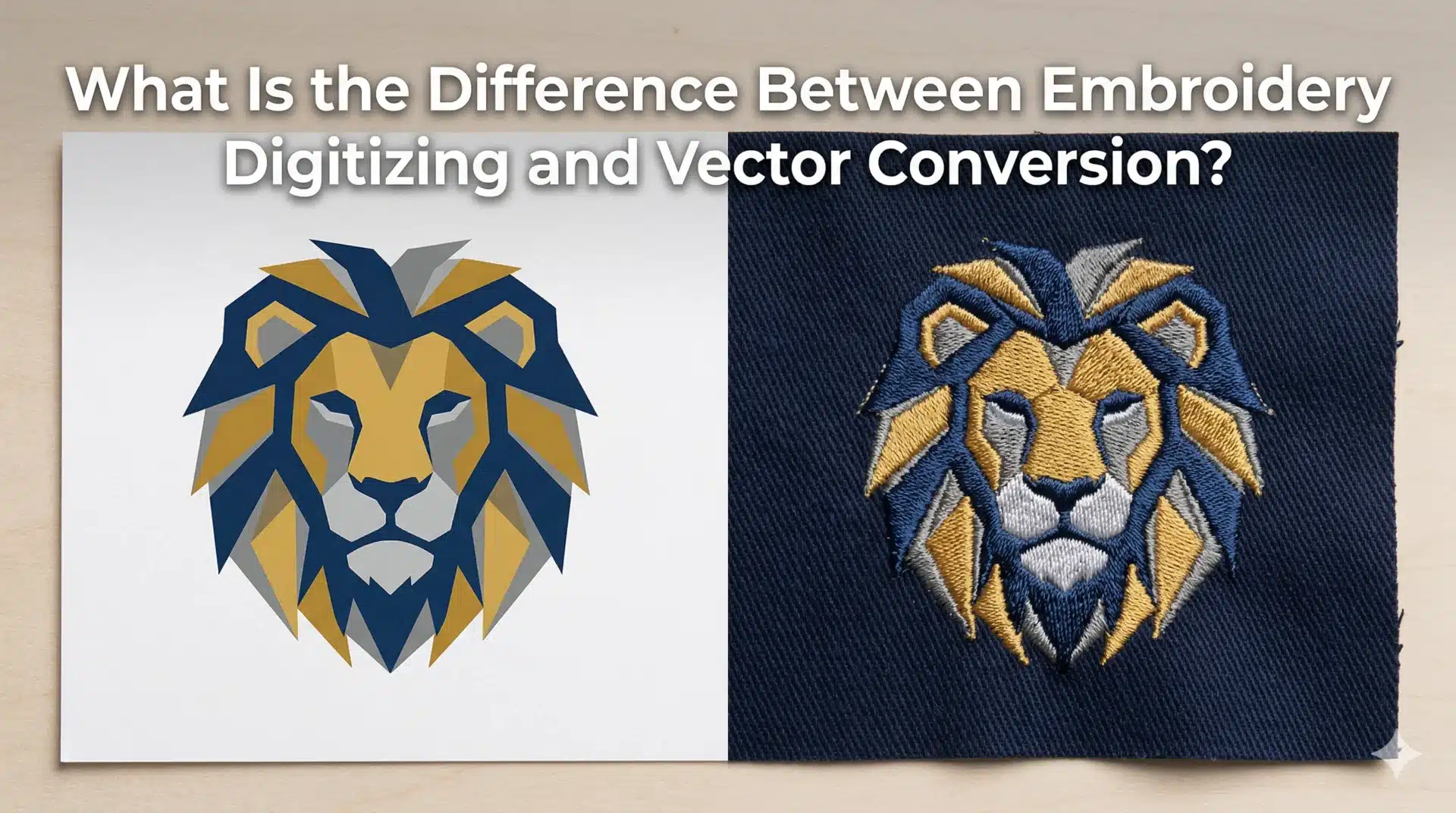
What Is the Difference Between Embroidery Digitizing and Vector Conversion ?