





























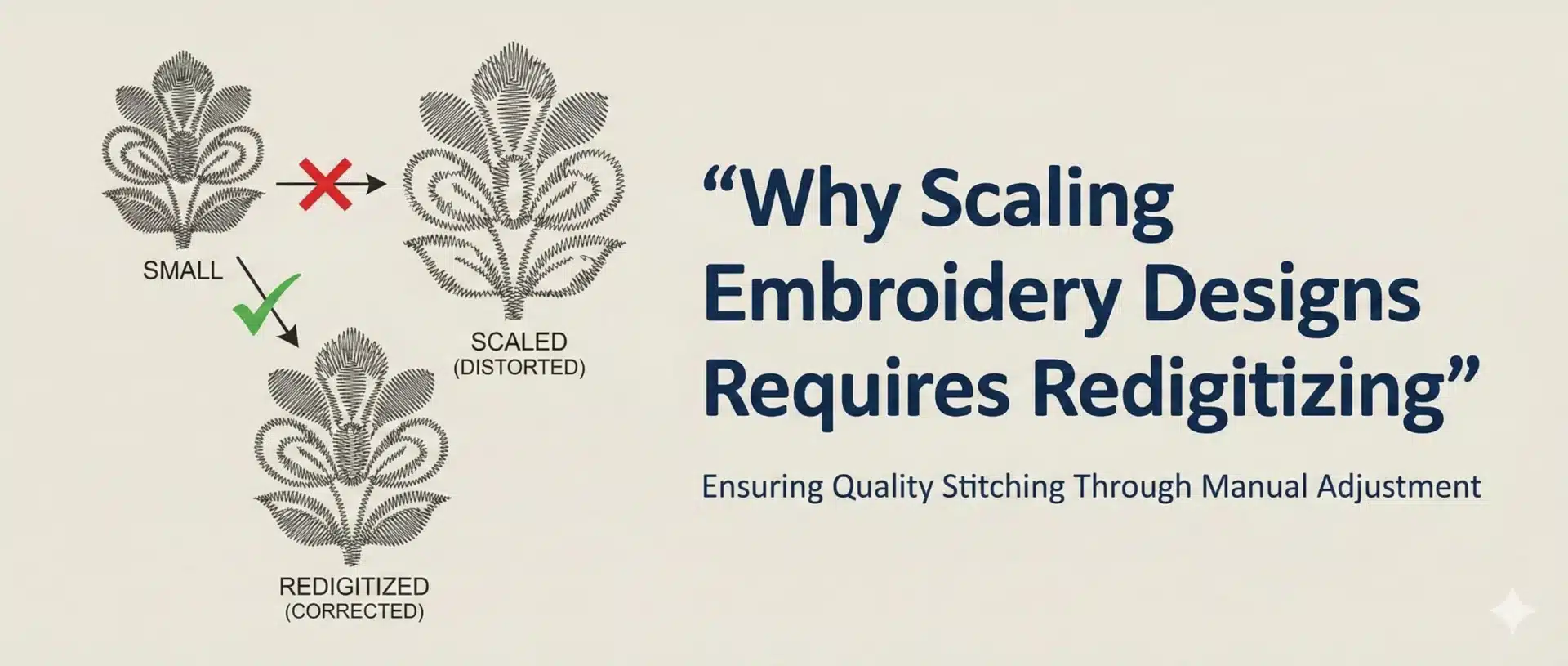
Scaling embroidery designs is a common requirement in garment production, especially when the same logo needs to be applied to different products such as caps, jackets, and shirts. However, simply resizing an embroidery file without redigitizing often leads to distortion, thread breaks, and poor coverage.
For embroidery businesses and clothing brands, understanding why designs must be redigitized when scaled helps prevent production issues and ensures consistent embroidery quality. This blog explains why resizing embroidery files without redigitizing is not recommended and how proper scaling improves performance.
Why Embroidery Files Cannot Be Resized Like Images ?
Embroidery files are not standard graphic files.
Stitch Count Changes With Size
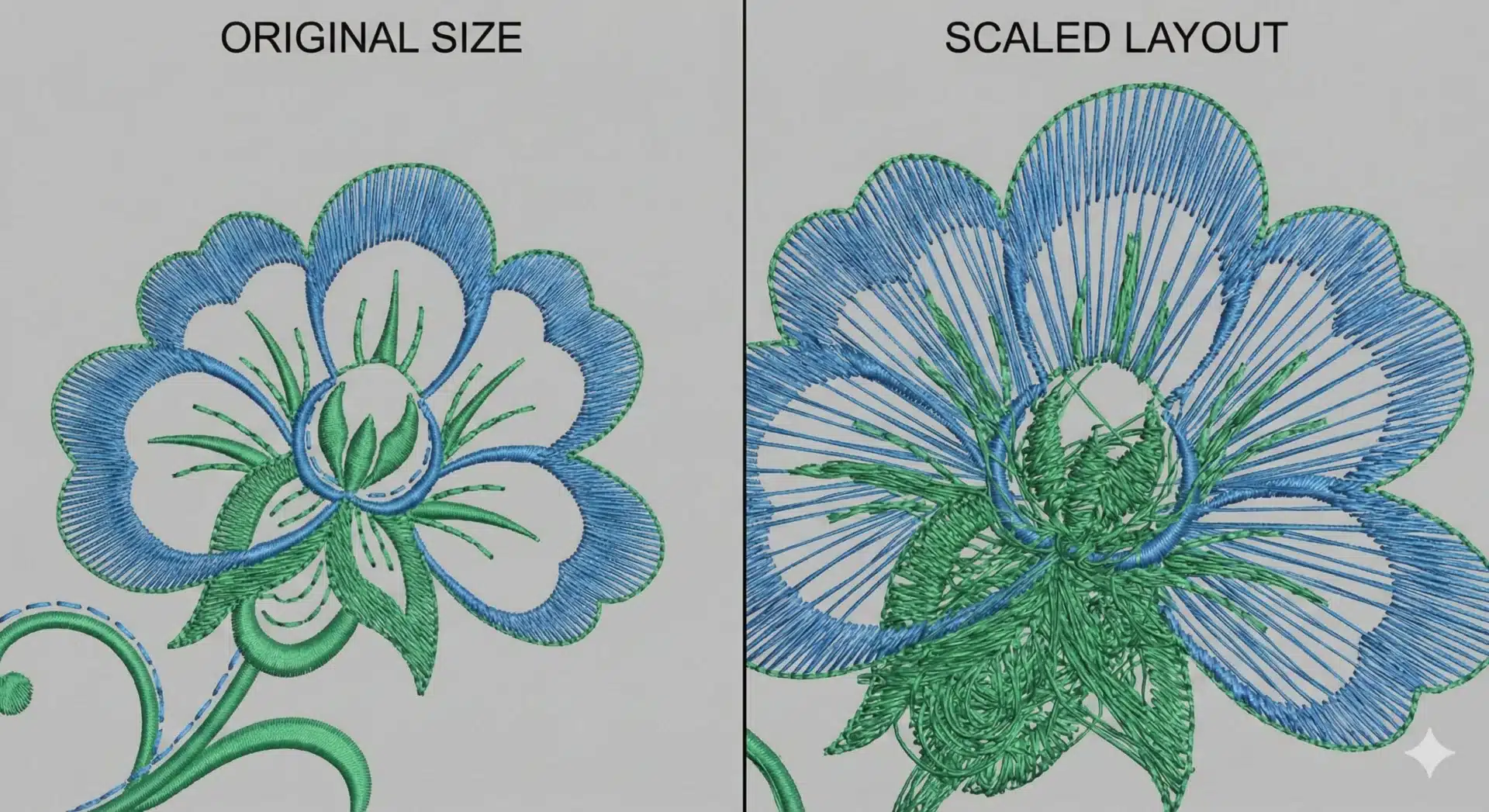
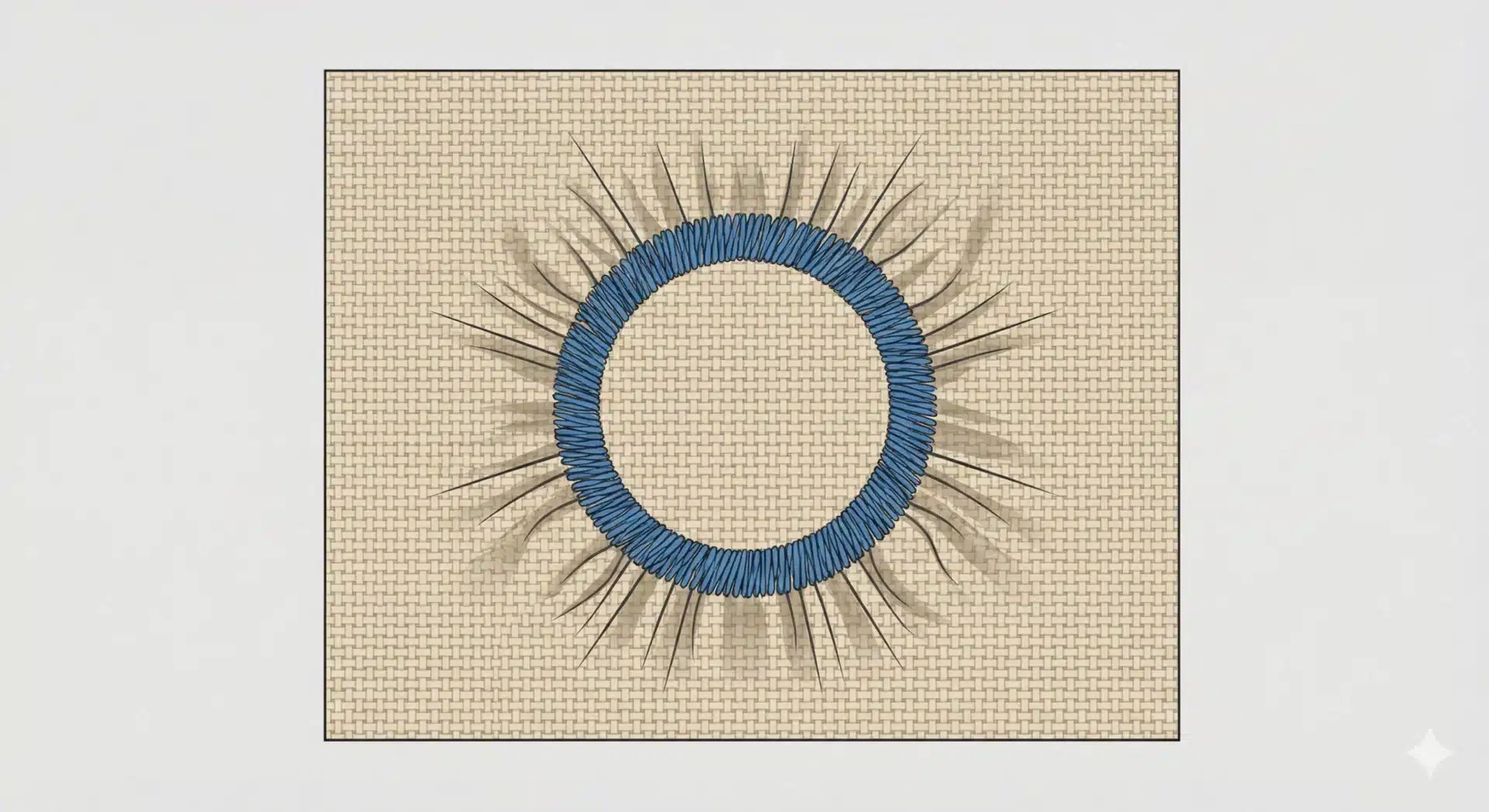
When an embroidery design is scaled, the stitch count and density change. Enlarging a design without adjusting stitch density creates gaps, while reducing size increases stitch tension.
Both situations can affect embroidery performance.
Density Does Not Scale Automatically
Stitch density must be recalculated for every size. Software resizing does not adjust density correctly, leading to stiffness or poor coverage.
Manual adjustment is required.
Problems Caused by Scaling Without Redigitizing
Resizing embroidery files without redigitizing can create production issues.
Thread Breaks During Production
Reducing the size of a dense design increases thread tension, causing frequent thread breaks and machine stops.
This slows down production.
Loss of Detail in Small Designs
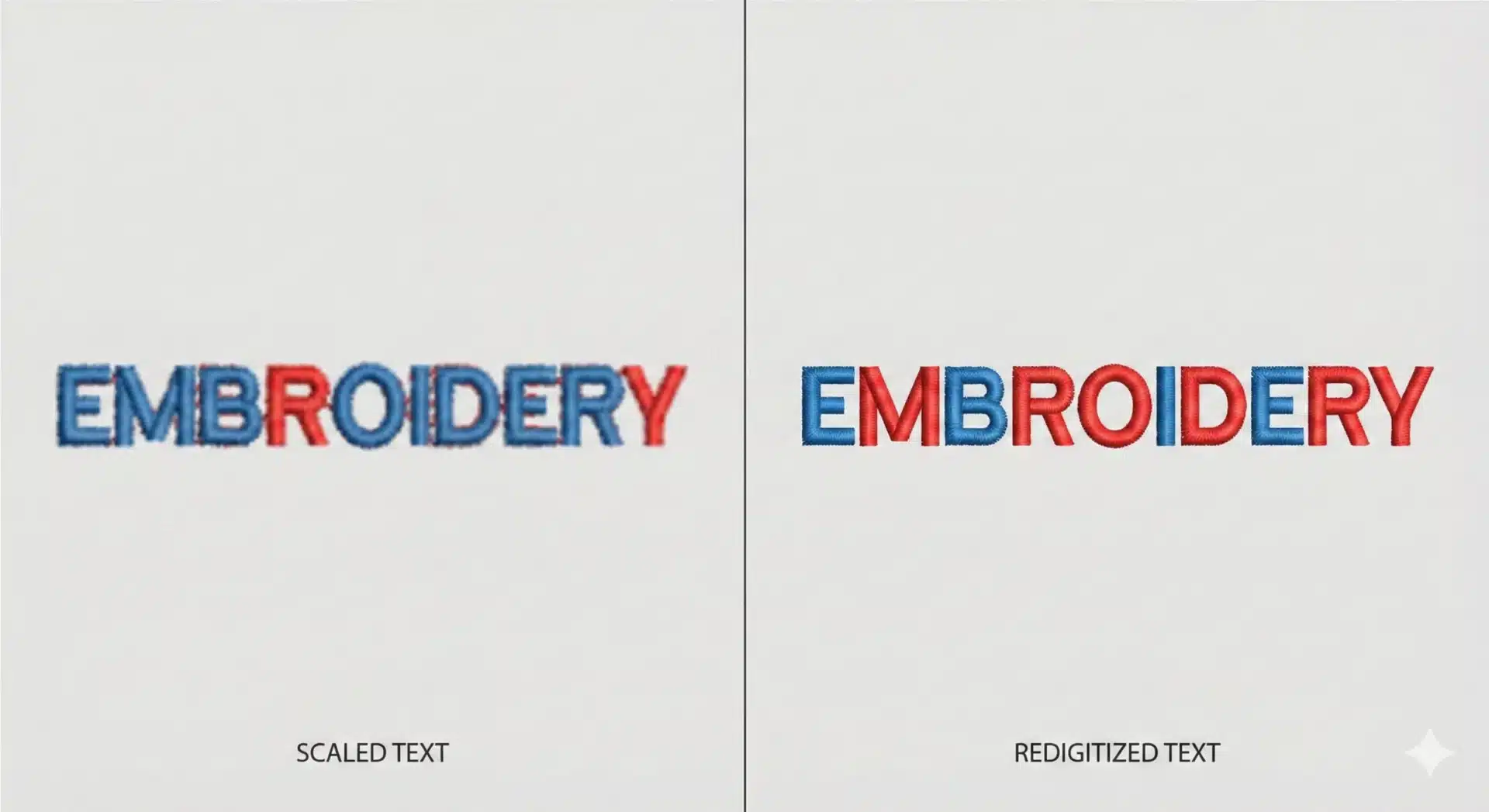
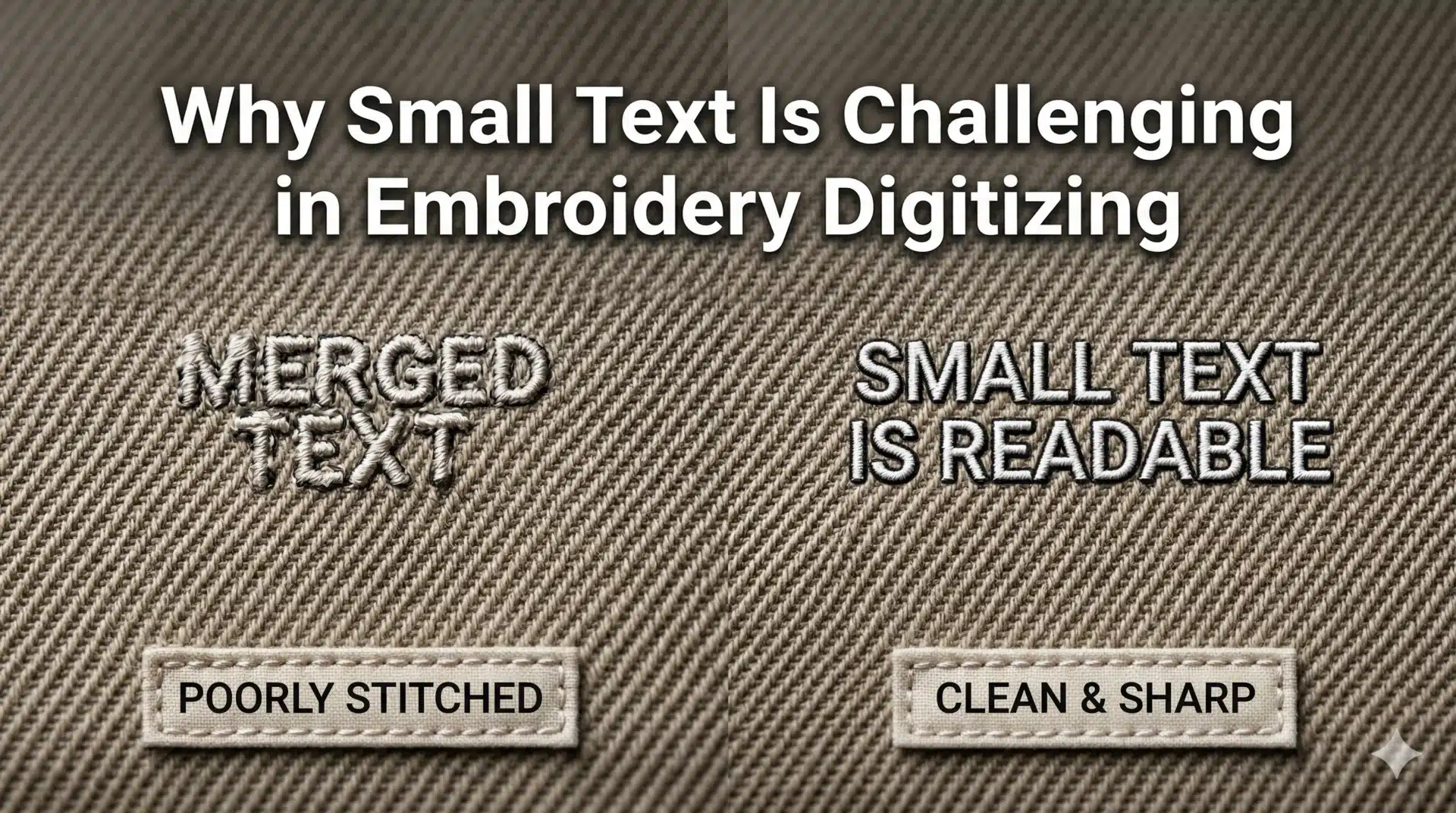
Small text or intricate elements may merge or become unreadable when scaled down without adjusting stitch structure.
Impact on Fabric and Final Appearance
Scaling affects how embroidery interacts with fabric.
Fabric Distortion
Overly dense scaled designs can pull fabric inward, causing puckering and distortion.
Fabric stability must be considered when resizing.
Uneven Stitch Coverage
Enlarged designs may show visible gaps if density is not increased.
This reduces embroidery quality.
Why Redigitizing Is Necessary for Different Sizes ?
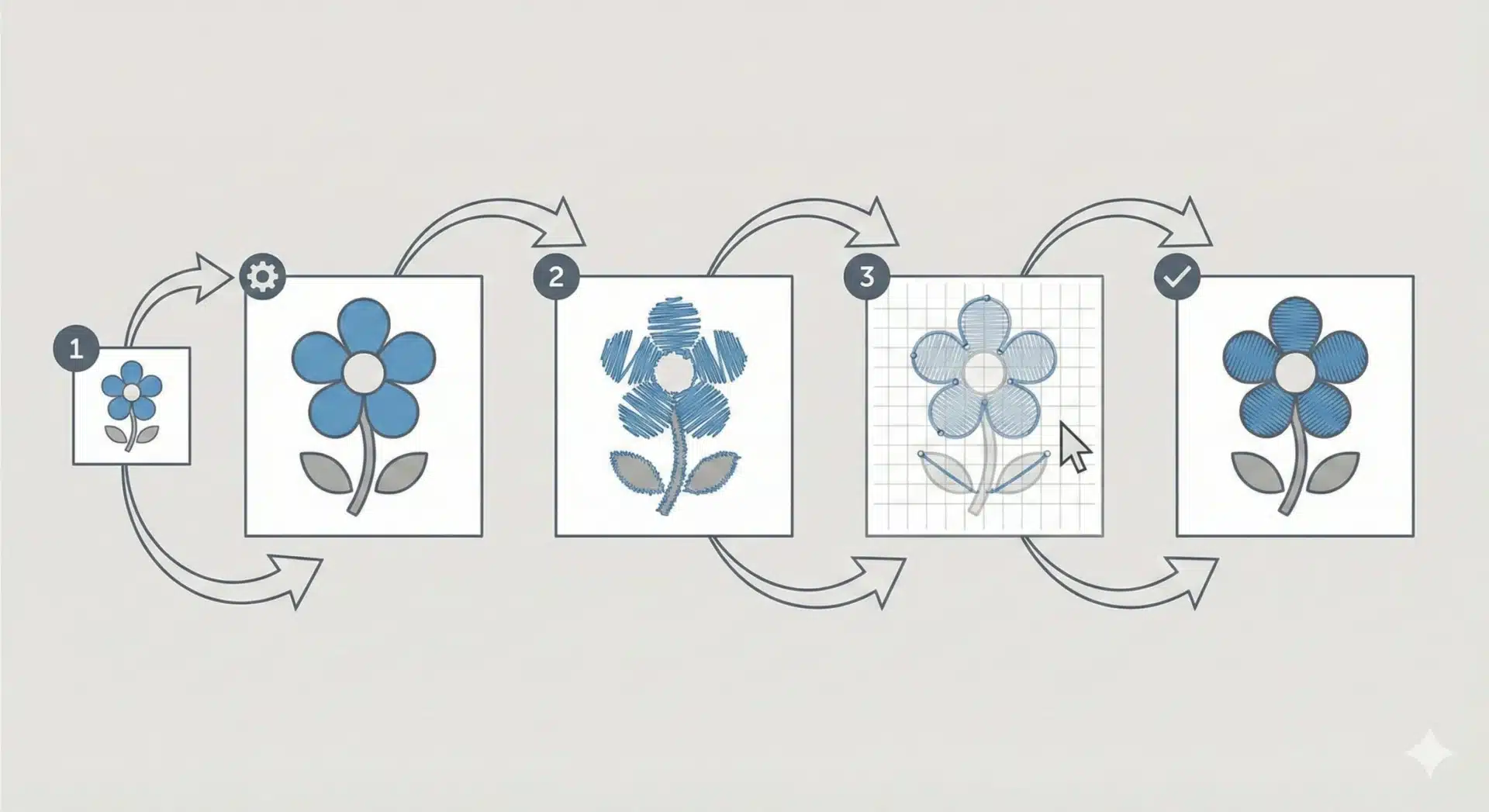
Redigitizing ensures proper stitch engineering.
Adjusting Stitch Direction
Scaling changes how stitches interact with fabric. Redigitizing allows adjustment of stitch angles to maintain shape.
Benefits of Size-Specific Digitizing
Size-specific files improve production performance.
Improved Machine Efficiency
Properly digitized files reduce thread breaks and trims.
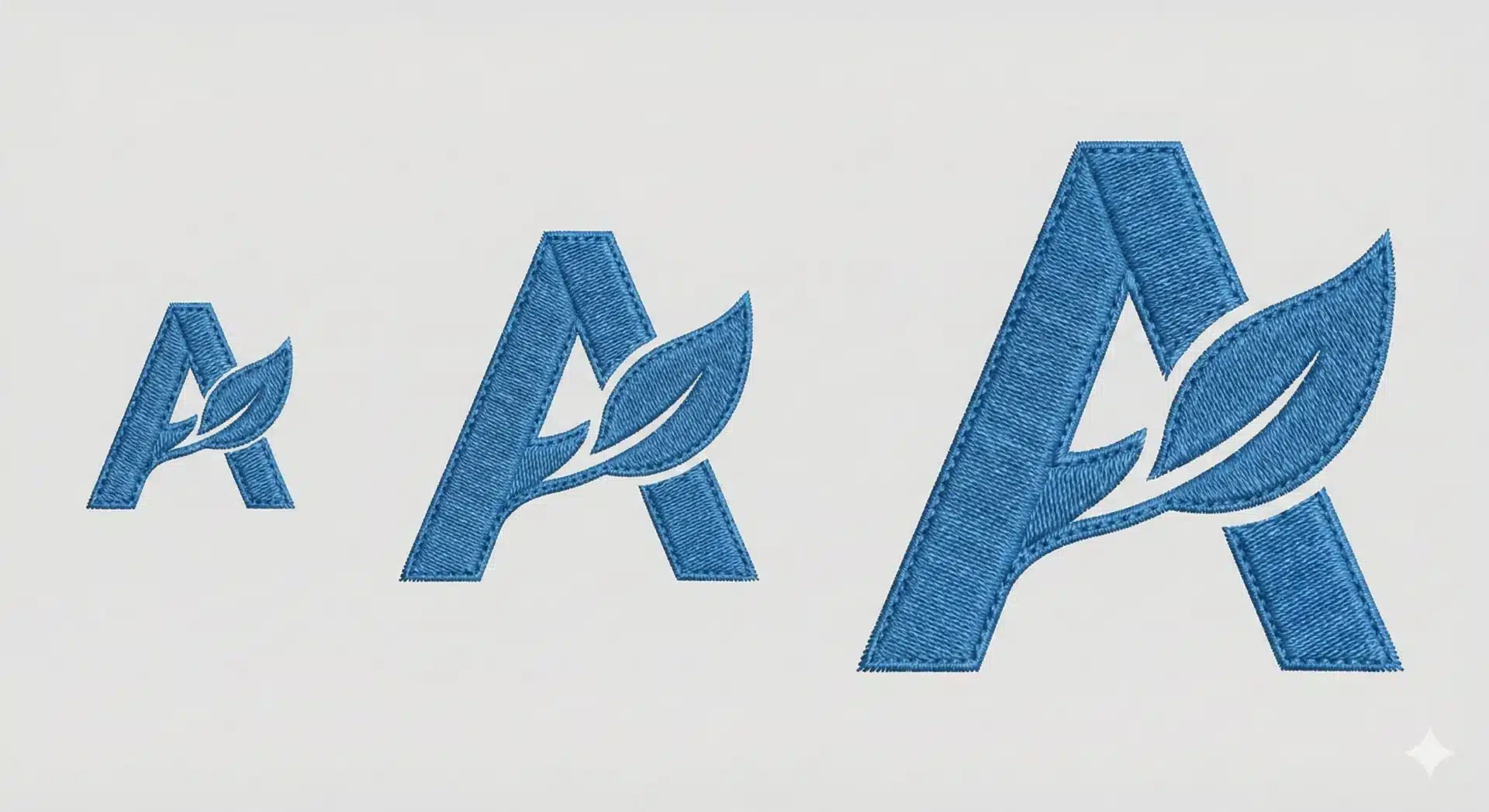
Consistent Logo Appearance
Redigitized designs maintain clarity across sizes.
How EmbroiPlanet Handles Scaled Designs ?
EmbroiPlanet follows size-specific digitizing practices.
Separate Files for Each Size
Each size is digitized individually for production stability.
Production-Focused Adjustments
Density and underlay are recalculated based on size and fabric.
You can contact EmbroiPlanet through:
Email – [email protected]
Instagram Direct Message – https://www.instagram.com/embroiplanet
Final Thoughts on Scaling Embroidery Designs
Embroidery files cannot be resized like standard images. Scaling without redigitizing often leads to production problems and inconsistent results.
Redigitizing ensures stable stitch structure and consistent embroidery quality across sizes. EmbroiPlanet provides manual digitizing services designed for size-specific production needs.

Why Embroidery Digitizing Requires Different Settings for Caps vs Flat Garments ?
Why Small Text Is Challenging in Embroidery Digitizing ?
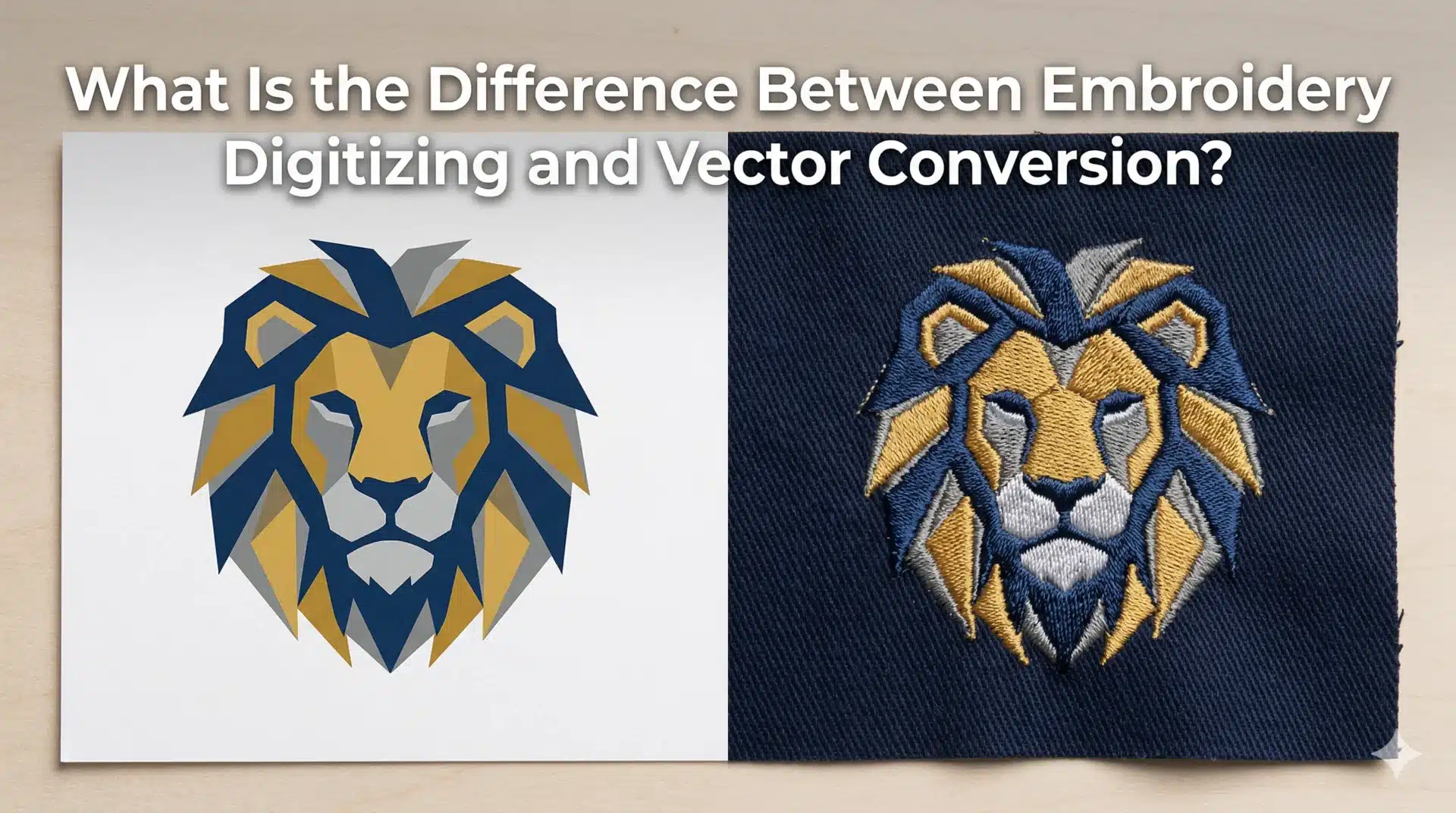
What Is the Difference Between Embroidery Digitizing and Vector Conversion ?