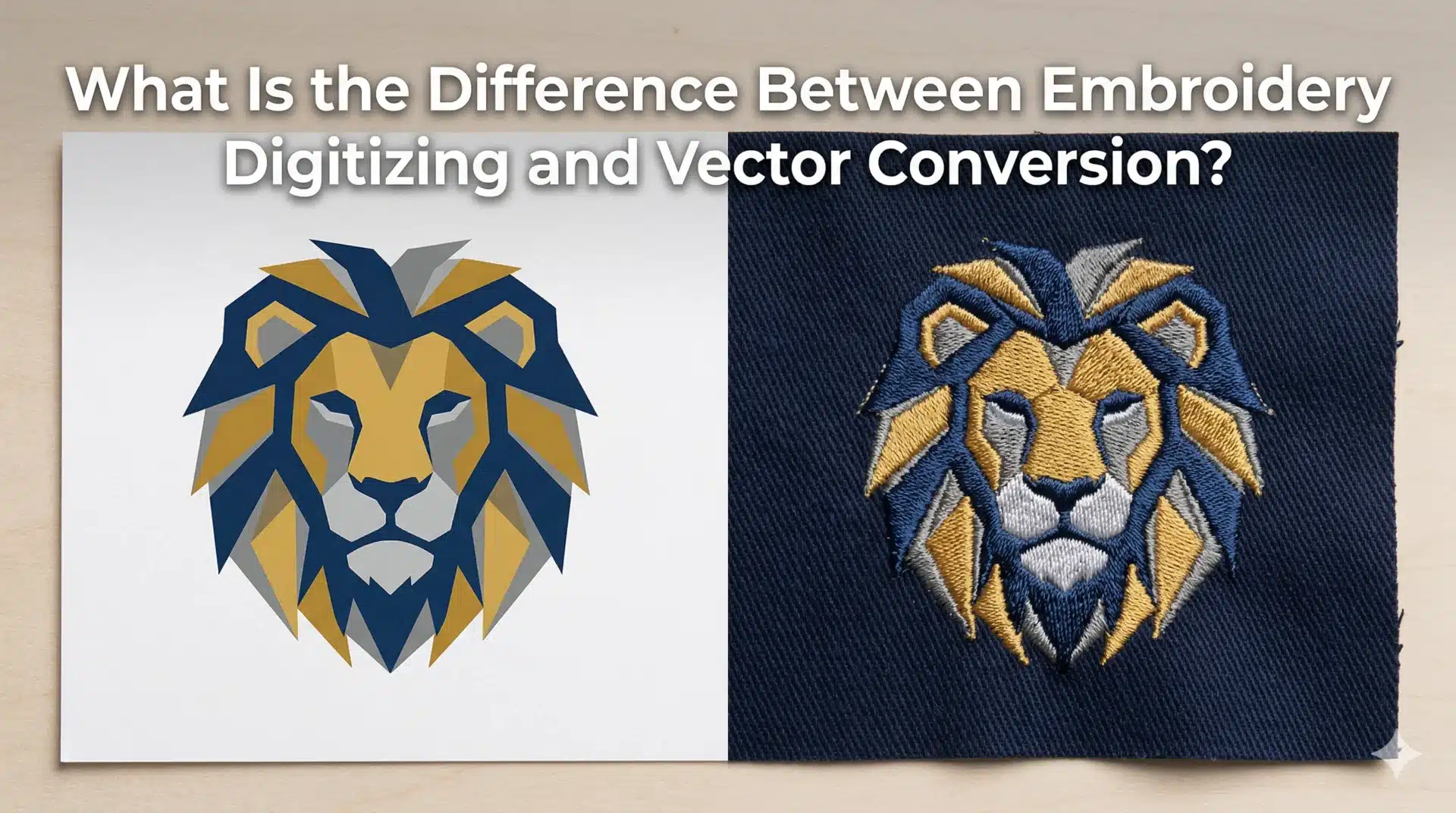


























Auto-Digitizing vs Manual Embroidery Digitizing: Why Quality Matters ?
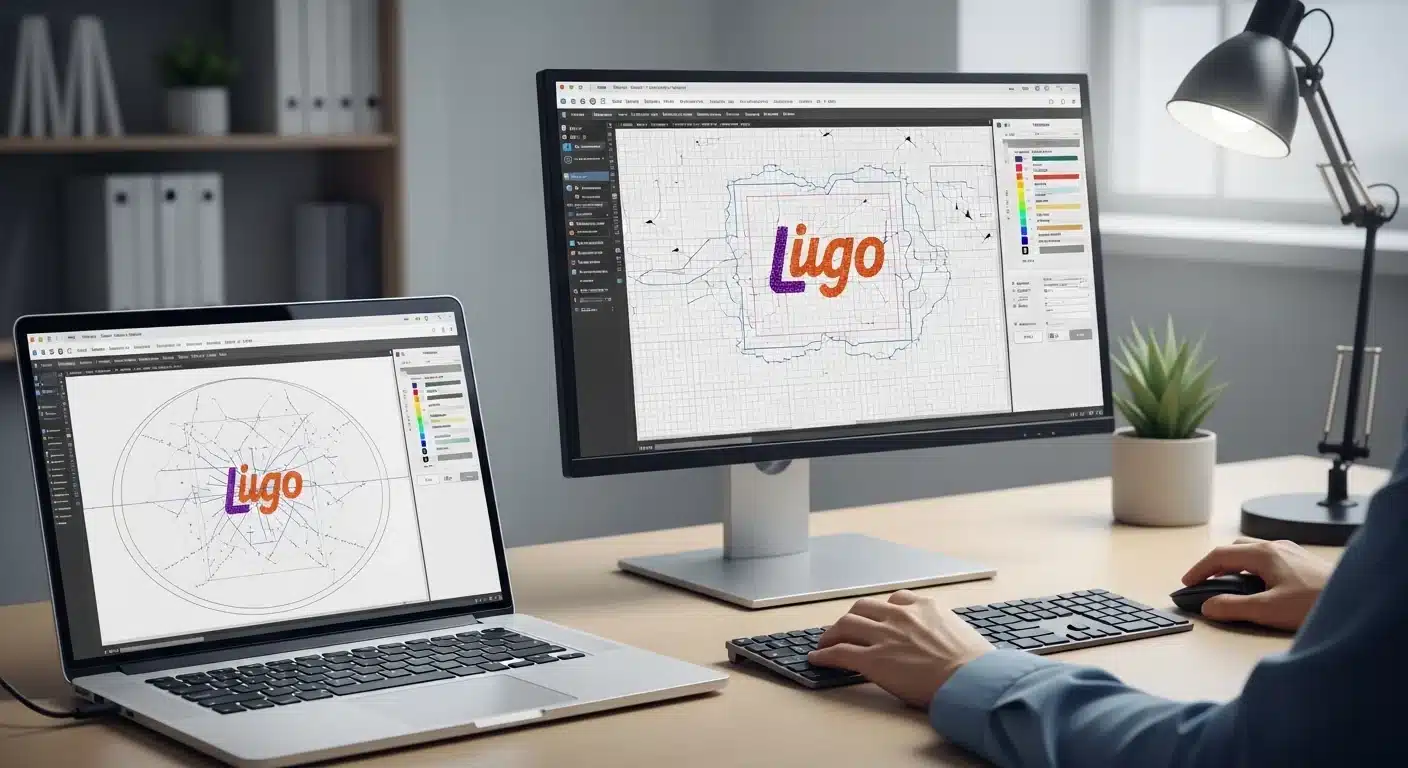
With the rise of embroidery software and automated tools, many people are exposed to auto-digitizing as a quick way to convert artwork into embroidery files. While auto-digitizing may appear fast and convenient, it often leads to embroidery quality issues that affect production efficiency and final appearance. For embroidery machine owners, garment factories, and clothing brands, understanding the difference between auto-digitizing and manual embroidery digitizing is essential for achieving reliable and professional results. This article explains those differences clearly, while also clarifying EmbroiPlanet’s professional standards.
Important Clarification – EmbroiPlanet Uses 100% Manual Embroidery Digitizing
Before discussing auto-digitizing and manual digitizing, it is important to clearly state EmbroiPlanet’s approach. All embroidery digitizing at EmbroiPlanet is done 100% manually by experienced human digitizers. We do not use auto-digitizing tools for any client or production work.
Auto-digitizing is mentioned in this blog strictly for educational and comparison purposes, to help readers understand why certain embroidery problems occur and why professional manual digitizing delivers superior results.
Why EmbroiPlanet Is Strictly Against Auto-Digitizing for Production ?
Auto-digitizing relies on preset software algorithms that apply generic stitch rules without understanding real embroidery conditions such as fabric behavior, stitch interaction, machine speed, or production volume. As a result, auto-digitized files often cause thread breaks, fabric distortion, uneven textures, and inconsistent embroidery output.
At EmbroiPlanet, we treat embroidery digitizing as a technical skill, not a one-click process. Manual digitizing allows full control over stitch direction, density, underlay, and sequencing—ensuring stable machine performance and professional embroidery quality.
Educational Discussion vs Our Actual Service Standards
Any mention of auto-digitizing in this article is intended only to educate clients, so they can recognize its limitations. These explanations are not promotions or recommendations.
For all client work, EmbroiPlanet follows strict manual digitizing standards, focused on quality, consistency, and production reliability.
What Is Auto-Digitizing ?
Auto-digitizing is a software-driven process where artwork is automatically converted into stitch files using built-in algorithms.
How Auto-Digitizing Works ?
Auto-digitizing tools analyze an image and generate stitches based on default rules. The software assigns stitch types, density, and direction without human judgment or fabric-specific considerations.
While this process is fast, it does not adapt to real embroidery challenges or production environments.
Why Auto-Digitizing Appears Attractive ?
Auto-digitizing is often marketed as a quick and low-cost solution. It may seem suitable for simple visuals, but speed and convenience usually come at the cost of stitch quality and machine performance.
What Is Manual Embroidery Digitizing ?
Manual digitizing is a human-controlled process where each stitch is carefully planned by a professional digitizer.
Human Control Over Stitch Engineering
Manual digitizing involves deliberate planning of stitch paths, densities, underlay structures, and sequencing. This ensures stitches support each other and perform reliably during production. Human judgment allows adjustments that automated software cannot make.
Fabric-Specific Digitizing Approach
Different fabrics behave differently under stitching. Manual digitizing adapts stitch structures to suit fabric stretch, thickness, and texture, resulting in stable embroidery across various garments.
Key Differences Between Auto-Digitizing and Manual Digitizing
Understanding these differences helps businesses make informed decisions.
Stitch Direction and Flow
Auto-digitizing often applies random or generic stitch directions, which can distort shapes and textures. Manual digitizing follows natural design contours, preserving clarity and structure.
Stitch Density Control
Auto-digitized files frequently use excessive density, increasing thread breaks and stiffness. Manual digitizing balances density for coverage without damaging fabric.
Underlay Stitch Planning
Underlay stitches are often missing or poorly generated in auto-digitized designs. Manual digitizing uses underlay strategically to stabilize fabric and support top stitches.
Common Problems Caused by Auto-Digitizing
Many embroidery issues originate from auto-digitized files.
Thread Breaks and Machine Downtime
Poor stitch sequencing and excessive density increase thread tension, causing frequent machine stops.
Fabric Puckering and Distortion
Lack of proper underlay and stitch planning causes fabric pulling and wrinkling.
Loss of Fine Details
Small text and fine shapes often merge or disappear due to poor stitch control.
Why Manual Digitizing Produces Better Results ?
Manual digitizing prioritizes production performance and durability.
Optimized Stitch Sequencing
Professional digitizers reduce unnecessary jumps and trims, improving machine efficiency.
Consistent Results Across Machines
Manual digitizing ensures designs perform consistently across different machine brands and models.
Improved Wash and Wear Durability
Balanced stitch density and underlay help embroidery maintain shape and clarity over time.
When Auto-Digitizing Is Discussed for Learning Purposes ?
Auto-digitizing may be referenced in education to explain common embroidery failures.
Understanding Its Limitations
Learning about auto-digitizing helps clients understand why some files fail during production.
Making Better Digitizing Decisions
Educated clients are better equipped to choose professional digitizing services over shortcuts.
How EmbroiPlanet Approaches Manual Digitizing ?
EmbroiPlanet focuses exclusively on high-quality manual embroidery digitizing.
Quality-First Workflow
Each design is manually digitized with attention to stitch behavior and machine performance.
Affordable Yet Premium Standards
Our services balance affordability with professional-grade output.
Global Client Support
We support international clients with multiple file formats and consistent quality.
How to Get Professional Manual Digitizing From EmbroiPlanet ?
Getting started is simple and fully online.
What to Send ?
Clients should provide:
- Artwork file (AI, EPS, SVG, PNG, or JPG)
- Embroidery size
- Required file format (DST, PES, EXP, etc.)
- Fabric type if known
Contact Methods –
You can contact EmbroiPlanet through:
Email – [email protected]
Instagram Direct Message – https://www.instagram.com/embroiplanet
Final Thoughts on Auto vs Manual Digitizing
While auto-digitizing may offer speed, it often sacrifices quality and production stability. Manual embroidery digitizing provides superior stitch control, better machine performance, and consistent embroidery results.
For businesses that value reliability, durability, and professional embroidery output, manual digitizing remains the only practical choice. EmbroiPlanet delivers expert embroidery digitizing services built on quality, precision, and human expertise.
About Embroiplanet

Latest Posts

Why Embroidery Digitizing Requires Different Settings for Caps vs Flat Garments ?
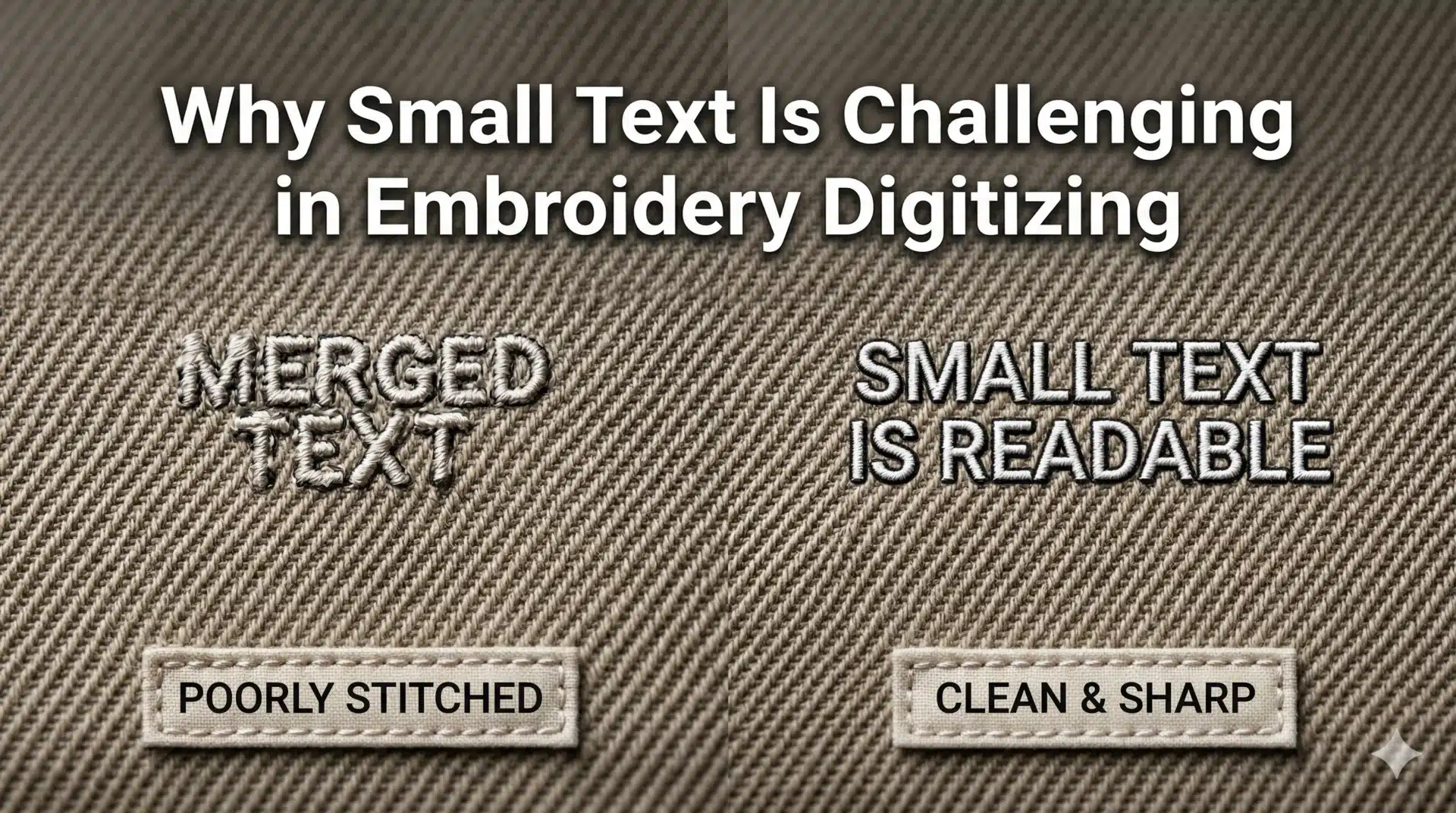
Why Small Text Is Challenging in Embroidery Digitizing ?